Understanding the Power of Polar Vortexes
Explore how the polar vortex impacts weather, bringing extreme cold and changing climates in striking ways that affect us all.
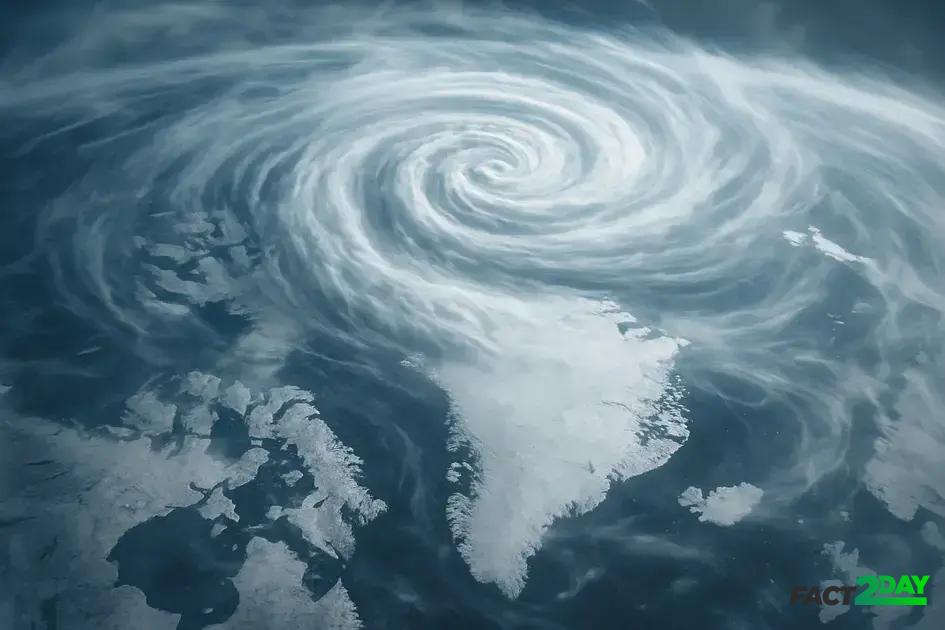
The polar vortex is a large, fast-spinning cold air mass around the poles that influences extreme winter weather by moving frigid air to lower latitudes and causing severe cold spells and storms.
Polar vortex might sound like a distant scientific term, but its effects can hit close to home with bitter cold waves and disruptive weather. Ever wondered why some winters come packed with sudden chills? Let’s dive into what makes this phenomenon tick.
what is a polar vortex and how does it form
A polar vortex is a large area of low pressure and cold air surrounding both of Earth’s poles. It is a swirling cold pocket that remains trapped in the Arctic or Antarctic atmosphere, usually staying high above. This vortex forms because the cold, dense air at the poles sinks and is held in place by fast-moving air currents called jet streams.
Is strongest in winter when the temperature difference between the poles and the equator is greatest. It can stretch and weaken, allowing frigid air to move south into lower latitudes, causing bitter cold snaps in places far from the Arctic.
How the polar vortex forms
As the sun’s rays weaken during winter, the poles lose heat quickly. This cooling creates a large mass of cold air that begins to spin in the upper atmosphere because of Earth’s rotation. The polar vortex circulates around the pole in a counterclockwise direction in the Northern Hemisphere.
Jet streams act like a barrier, keeping the cold air contained, but when these streams weaken or shift, the vortex can become unstable, pushing cold Arctic air farther south. This movement explains why sometimes we experience sudden extreme winter weather.
Understanding the formation of the polar vortex helps meteorologists predict severe winter conditions and prepare communities for freezing temperatures and snowstorms.
effects of polar vortexes on local and global weather
The polar vortex has notable effects on both local and global weather patterns. When the vortex is strong, it keeps cold air confined to the poles, resulting in stable weather at lower latitudes. However, when it weakens or shifts, it allows frigid Arctic air to spill into mid-latitude regions, causing extreme cold temperatures and winter storms.
This sudden movement can lead to harsh winter conditions in parts of North America, Europe, and Asia, often bringing freezing temperatures, heavy snowfall, and icy winds. These cold snaps can last for days or even weeks, impacting daily life, transportation, and energy use.
Global impacts of the polar vortex
On a global scale, the polar vortex influences atmospheric circulation patterns. Its changes can disrupt the jet stream, which in turn affects weather around the world. For example, it can cause prolonged heatwaves in some areas while triggering colder-than-usual conditions in others.
Extreme weather events linked to shifts in the polar vortex include severe winter storms and unusual warm spells in polar regions. These disruptions can influence agriculture, wildlife, and ecosystems by altering seasonal weather cycles.
Understanding these effects helps scientists improve weather forecasts and prepare communities for the challenges brought by the polar vortex’s dynamic nature.
how polar vortexes influence winter storms
Polar vortexes play a major role in shaping winter storms. When the vortex weakens or moves south, it brings extremely cold Arctic air into regions that usually have milder winters. This cold air collides with warmer air masses, causing the atmosphere to become unstable, which often leads to intense winter storms.
The mix of cold and warm air can produce heavy snowfall, freezing rain, and strong winds. These storms can disrupt travel, cause power outages, and create hazardous conditions on roads. In some cases, the polar vortex’s influence can extend storm duration and increase their severity.
Storm development and polar vortex
The polar vortex’s interaction with the jet stream affects the path and strength of winter storms. A meandering jet stream can steer storms into populated areas while pulling frigid air behind them, intensifying cold spells. This dynamic causes many regions to experience sudden, harsh winter weather.
Preparation and response to these storms are important because the polar vortex can cause rapid temperature drops and dangerous conditions. Weather services monitor the vortex closely to provide advanced warnings when storms linked to the polar vortex are approaching.
Understanding the connection between polar vortexes and winter storms helps communities better prepare for winter hazards and minimize risks associated with extreme weather.
the role of climate change on polar vortex behavior
Climate change plays a significant role in altering the behavior of the polar vortex. As global temperatures rise, especially in the Arctic, the usual temperature difference between the poles and lower latitudes decreases. This weakens the polar vortex, making it more likely to wobble and send cold air masses farther south than usual.
This weakening can cause the polar vortex to become unstable and shift, resulting in more frequent and intense cold spells in mid-latitude regions. Paradoxically, even as the planet warms, some areas may experience colder winters due to this effect.
Arctic warming and jet stream changes
The Arctic is warming twice as fast as the rest of the world, which disrupts the jet stream that typically contains the polar vortex. A weaker jet stream becomes wavy and slower, allowing frigid air to escape the Arctic and plunge into lower latitudes, increasing the risk of extreme weather events.
Scientists continue to study how shifting polar vortex patterns affect weather globally, linking these changes to extreme winters, heatwaves, and unusual weather events worldwide.
safety tips during polar vortex events
During a polar vortex event, safety should be a top priority due to the extreme cold and potential disruptions. First, dress in layers with insulated, windproof, and waterproof materials to protect yourself from frostbite and hypothermia. Cover exposed skin and wear hats, gloves, and scarves.
Stay indoors if possible to avoid freezing temperatures. If you must go outside, limit your time outdoors and be mindful of slippery surfaces caused by ice and snow.
Preparing your home and vehicle
Keep your home heated and seal any drafts to maintain warmth. Stock up on emergency supplies like food, water, flashlights, and batteries in case of power outages. Make sure your vehicle is winter-ready with antifreeze, a full gas tank, and an emergency kit that includes blankets, a shovel, and non-perishable snacks.
Health and travel precautions
Avoid overexertion when shoveling snow or performing outdoor tasks to prevent heart attacks. Check on neighbors, especially the elderly or those with health issues. During travel, inform others of your route and expected arrival time.
Emergency preparedness includes keeping a charged phone handy and knowing local emergency numbers. Listen to weather updates and follow advice from authorities to stay safe during polar vortex conditions.
how farmers and cities adapt to polar vortex cold spells
Farmers and cities have developed various ways to adapt to the extreme cold spells caused by polar vortex events. Farmers protect their crops and livestock by using insulated shelters, heating systems, and adjusting planting schedules to avoid the harshest conditions.
Livestock may be moved to indoor facilities or areas with windbreaks to reduce exposure to freezing temperatures. In some cases, farmers increase the feed to help animals maintain body heat during cold spells.
Urban adaptations to polar vortex cold
Cities prepare by improving heating infrastructure and ensuring water pipes are insulated to prevent freezing. Public transportation may be adjusted to handle icy roads, and snow removal services are ramped up to maintain accessibility and safety.
Emergency shelters and warming centers are often opened for vulnerable populations, providing safe places to stay warm during extreme cold. City governments also promote public awareness campaigns to educate residents on safety measures during cold spells.
Technology and planning play a key role as modern weather forecasting allows farmers and city officials to prepare in advance. By monitoring polar vortex developments, they can better manage resources and reduce the impact of severe cold on daily life.
predicting polar vortex patterns with modern technology
Modern technology has greatly improved the ability to predict polar vortex patterns. Meteorologists use advanced computer models and satellite data to track changes in the atmosphere and forecast the vortex’s movement and strength.
These models simulate complex interactions between air masses, jet streams, and temperature changes, helping predict when the polar vortex might weaken or shift toward lower latitudes. Early warnings allow governments and communities to prepare for severe cold spells.
Tools used for prediction
Satellites provide real-time observations of atmospheric conditions. Weather balloons collect data on temperature, pressure, and wind patterns high in the atmosphere. Supercomputers analyze this data to generate accurate weather forecasts.
Machine learning and AI are increasingly used to enhance prediction accuracy by identifying patterns in large datasets that humans might miss. This technology helps improve lead times for polar vortex events and winter storm predictions.
Improved prediction not only helps protect lives and property but also aids sectors like agriculture and energy in managing the impacts of extreme cold weather caused by polar vortex shifts.
why understanding polar vortexes matters for future planning
Understanding polar vortexes is crucial for future planning in a changing climate. Knowledge of how these cold air masses behave helps governments, businesses, and communities prepare for extreme weather events.
Accurate predictions allow for better infrastructure design, such as buildings and roads that can withstand severe cold and snow. Energy providers can plan for increased demand during cold spells, ensuring a reliable supply.
Impact on public safety and economy
By understanding polar vortex behavior, emergency services can create more effective response plans to protect vulnerable populations. This reduces risks of hypothermia and accidents caused by icy conditions.
Economic planning also benefits, as industries like agriculture, transportation, and retail can adjust their operations to reduce losses during harsh winters caused by polar vortex events.
Overall, studying polar vortex patterns improves resilience and helps society adapt to weather extremes, making future cold events less disruptive.
Understanding the importance of the polar vortex
The polar vortex plays a key role in shaping extreme weather, especially cold winters. Knowing how it forms, behaves, and impacts our environment helps us prepare and stay safe during harsh conditions.
With modern technology and ongoing research, we can better predict these cold air events and reduce their effects on daily life, agriculture, and cities.
By paying attention to the polar vortex, communities and individuals can make smarter decisions about safety and planning, helping us all face winter challenges with greater confidence.