The Bacteria That Eats Plastic Like Lunch
plastic-eating bacteria offer a promising natural solution to the growing plastic pollution crisis, breaking down waste in surprising ways.
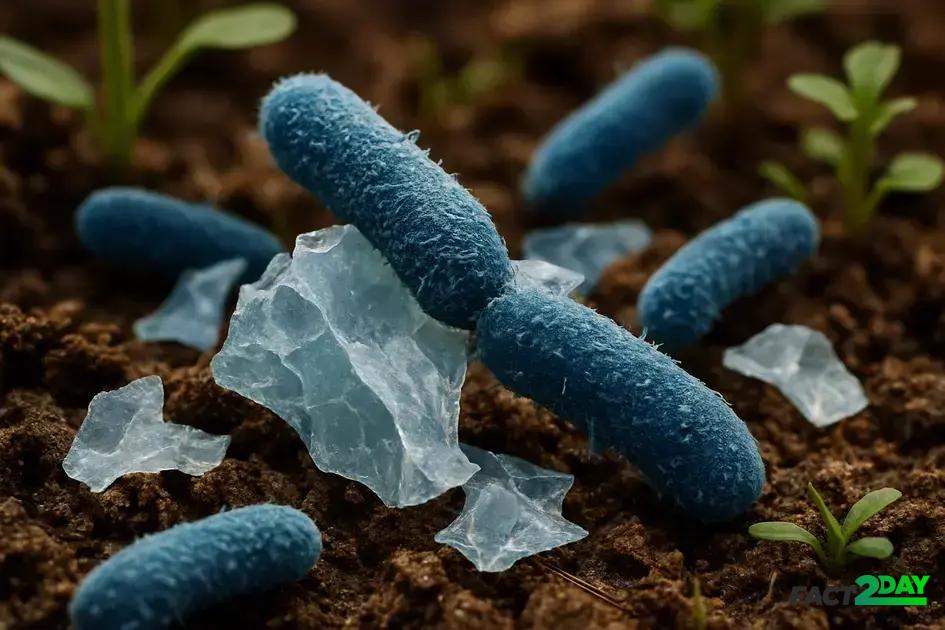
Plastic-eating bacteria are microorganisms that produce enzymes to break down plastics like PET into harmless substances, offering a natural solution to reduce plastic pollution.
Plastic-eating bacteria might sound like a story from science fiction, but they are real organisms quietly breaking down plastic in nature. Have you ever wondered if tiny creatures could help solve our massive plastic waste problem? Let’s explore this fascinating topic together.
what are plastic-eating bacteria and how do they work
Plastic-eating bacteria are microorganisms capable of breaking down plastic materials into simpler substances. These bacteria use enzymes to digest the long molecular chains found in plastics, essentially turning them into energy and smaller compounds. This natural process happens as the bacteria attach themselves to the plastic surface and secrete special enzymes that break the plastic apart.
How do plastic-eating bacteria work?
When plastic waste accumulates, these bacteria recognize the plastic as a potential food source. They use enzymes like PETase to break down plastics such as polyethylene terephthalate (PET), one of the most common plastics used in bottles and containers. The enzyme cuts plastic polymers into smaller pieces, which the bacteria then absorb and convert into harmless byproducts like carbon dioxide and water.
This biodegradation process helps reduce the amount of plastic waste in the environment, providing a biological alternative to physical or chemical plastic disposal methods. Different bacteria species have adapted to consume various types of plastics, and scientists are studying their unique mechanisms to apply them more effectively.
Understanding these bacteria and their enzymes is key to developing sustainable solutions that could one day greatly reduce plastic pollution worldwide.
the discovery of bacteria that consume plastic
The discovery of bacteria that consume plastic changed how scientists view plastic pollution. In 2016, researchers in Japan found Ideonella sakaiensis, a bacterium that feeds on polyethylene terephthalate (PET), a widely used plastic. This bacteria produces enzymes PETase and MHETase, which break down PET into simpler molecules the bacteria can digest.
This discovery showed for the first time that living creatures could naturally break down common plastics, which were once considered nearly indestructible. It opened new possibilities for biotechnological solutions to plastic waste.
Since then, other bacteria strains capable of degrading different plastics have been found in various environments, including landfills and oceans. Scientists continue to study these organisms to understand their behavior and to improve their plastic-eating abilities.
Research in this area is growing rapidly, with many focusing on ways to enhance bacterial enzymes to speed up plastic degradation for practical use in waste management and recycling.
types of plastics these bacteria can break down
Plastic-eating bacteria can break down different types of plastics, but their efficiency varies depending on the plastic’s chemical structure. The most studied plastic is polyethylene terephthalate (PET), commonly used in bottles and packaging. Bacteria like Ideonella sakaiensis have enzymes that effectively degrade PET into environmentally safe components.
Another plastic type targeted by bacteria is polyethylene (PE), found in bags and films. While PE is more resistant to breakdown, some bacteria and fungi have shown the ability to partially degrade it under specific conditions.
Polyurethane (PU) is also subject to bacterial degradation. Certain microbes can attack the ester or urethane bonds within PU, helping decompose materials like foam and adhesives.
Less common but still significant are bacteria that consume polypropylene (PP) and polystyrene (PS), although these plastics are tougher to break down due to their chemical stability.
Research continues into expanding the range of plastics that bacteria can degrade and enhancing their effectiveness, which could lead to innovative solutions for plastic waste management in the future.
the science behind plastic degradation by bacteria
The science behind plastic degradation by bacteria involves complex biochemical processes. Bacteria produce special proteins called enzymes, which can break the long plastic polymers into smaller, digestible molecules. Enzymes like PETase and MHETase are examples that specifically target plastics like polyethylene terephthalate (PET).
These enzymes work by cutting the bonds holding the plastic’s molecules together. Once broken down, the bacteria absorb the smaller units and convert them into energy, carbon dioxide, and water. This natural process is called biodegradation.
Various factors affect this process, including temperature, oxygen availability, and the type of plastic. Bacteria often form biofilms on plastic surfaces, where they work collectively to break down the material more efficiently.
Scientists study the chemical structure of plastics and bacterial enzymes to understand how to speed up degradation. Techniques like genetic engineering are used to improve enzyme efficiency, aiming for practical applications in plastic waste treatment.
potential environmental impacts of using bacteria
Using plastic-eating bacteria to manage waste could have significant environmental benefits. These bacteria can help reduce the amount of plastic that accumulates in landfills and oceans, decreasing pollution and harm to wildlife.
One potential impact is cleaner ecosystems. By breaking down plastics naturally, bacteria can reduce the toxic buildup that affects plants, animals, and marine life. This process supports healthier biodiversity and water quality.
Moreover, bacterial degradation produces less harmful byproducts compared to chemical or mechanical recycling methods. This means a smaller carbon footprint and lower energy consumption in plastic waste management.
However, there are concerns about the widespread use of these bacteria. Introducing non-native bacteria into environments could disrupt existing ecosystems. Also, incomplete degradation might produce microplastics, which remain a problem for the environment.
Scientists continue to study these risks alongside the benefits to ensure that using plastic-eating bacteria will be a safe and sustainable solution for reducing plastic pollution in the future.
challenges in applying bacteria for plastic waste management
Applying plastic-eating bacteria for waste management faces several challenges. One major issue is the slow rate at which bacteria naturally break down plastics, which limits their effectiveness for large-scale cleanup efforts.
Environmental factors like temperature, pH, and oxygen levels can affect bacterial activity, making it difficult to control the degradation process outside laboratory conditions. Bacteria need specific environments to thrive and work efficiently.
Another challenge is the diversity of plastics used worldwide. Different plastics have distinct chemical structures, and no single bacterium can degrade all types effectively. This requires a mix of bacteria or engineered strains for broad application.
Scaling up from lab to real-world settings also presents logistical problems. Managing bacterial cultures safely and ensuring they do not disrupt local ecosystems is essential when introducing them into the environment.
Finally, regulatory approvals and public acceptance play roles in the implementation of bacterial solutions. More research is needed to address these concerns and develop safe, cost-effective methods for using plastic-eating bacteria in waste management.
how researchers are enhancing bacteria efficiency
Researchers are actively working to improve the efficiency of plastic-eating bacteria using new scientific techniques. One common method is genetic engineering, which involves modifying the bacteria’s genes to produce more effective enzymes that break down plastics faster.
Scientists have identified key enzymes like PETase and are using protein engineering to enhance their ability to target plastic molecules more efficiently. This process increases the speed and range of plastics that bacteria can degrade.
Biotechnology also explores creating bacterial consortia, groups of different bacteria working together to tackle various types of plastics at once. These mixed communities can handle complex plastic waste better than a single bacterium.
Another approach includes optimizing the bacteria’s living conditions using bioreactors. These controlled environments provide ideal temperature, pH, and nutrients to maximize bacterial activity and plastic breakdown.
Continued research aims to make these enhanced bacteria practical for large-scale applications, offering hope for sustainable and eco-friendly plastic waste solutions in the future.
future prospects and ethical considerations
The future prospects for plastic-eating bacteria are promising as advances in biotechnology continue to improve their efficiency and range. Researchers envision using these bacteria in large-scale recycling plants or even releasing them safely into polluted environments to naturally reduce plastic waste.
However, ethical considerations are important when deploying such biological solutions. Introducing genetically modified bacteria into the wild raises questions about potential impacts on local ecosystems and biodiversity. Careful risk assessments are needed to prevent unintended consequences.
The development of regulations and public engagement is critical to ensure that these technologies are accepted and used responsibly. Transparency in research and open dialogue can help address concerns about safety and environmental balance.
With cautious progress, plastic-eating bacteria could become a key part of sustainable waste management strategies, contributing to a cleaner planet while respecting ecological integrity.
Looking Ahead: Embracing Plastic-Eating Bacteria
Plastic-eating bacteria offer an exciting new way to help solve the global plastic pollution problem. While challenges and ethical questions remain, ongoing research is improving their efficiency and safety.
With careful development and responsible use, these tiny organisms could make a big difference in reducing plastic waste and protecting the environment for future generations.
As we learn more, it’s important to balance innovation with care, ensuring these solutions support a healthier planet without causing harm.