Green Traps: The Most Malicious and Deceptive Plants in the Plant Kingdom
Descubra plantas com mecanismos de defesa únicos que surpreendem pela astúcia e beleza, revelando truques verdes que enganam e protegem.
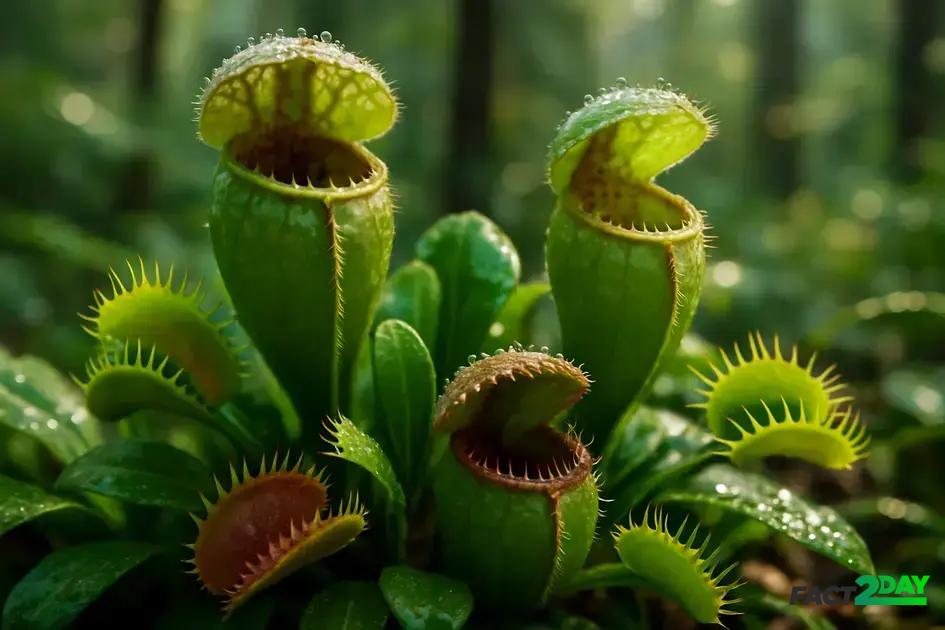
Plants with unique defense mechanisms use physical traps, chemicals, and camouflage strategies to protect themselves from predators and ensure their survival in challenging environments.
Have you ever stopped to admire plants with unique defense mechanisms that seem to create veritable green traps? Many may go unnoticed for their cunning tricks in nature, but together we can unravel this fascinating world full of secrets.
How plants create traps to protect themselves
Plants have evolved fascinating ways to protect themselves from predators and hostile environments by creating natural traps. Some use sticky surfaces to catch unsuspecting insects, while others have pitfall traps that lead prey into deep cavities filled with digestive enzymes.
Carnivorous plants like the pitcher plant have specialized leaves forming deep containers that trap insects attracted by nectar or bright colors. Once inside, the prey finds it impossible to escape due to slippery walls and downward-pointing hairs.
Another example is the Venus flytrap, which snaps shut quickly when triggered by tiny hairs inside its lobes. This rapid movement is a unique adaptation allowing the plant to capture insects efficiently without expending much energy.
These traps not only deter herbivores but also help plants gain nutrients in nutrient-poor soils where traditional root absorption is insufficient, making their defense mechanisms crucial for survival.
Plants with Unique Defense mechanism: unusual strategies
Carnivorous plants have developed uncommon defense strategies that go beyond simply trapping insects for nutrition. These unique adaptations serve both to protect the plant from herbivores and to optimize their ability to capture prey.
One fascinating example is the sundew plant, which uses glandular hairs covered with sticky droplets to immobilize insects. These droplets not only trap prey but also act as a deterrent to small animals that might graze on the leaves.
Some pitcher plants secrete enzymes and toxic compounds inside their pitchers, deterring unwanted visitors while breaking down captured prey. Additionally, their slippery surfaces and downward-pointing hairs prevent insects from escaping once inside, creating an efficient trap.
Another clever defense is found in the corkscrew plant, whose twisted leaves confuse and trap insects through a maze-like structure. This complexity ensures that prey cannot easily escape and provides an advantage in nutrient-poor environments.
These innovative defense mechanisms highlight the incredible evolutionary paths plants have taken, blending deception with physical traps for survival.
The role of defense mechanisms in plant survival
Defense mechanisms in plants play a vital role in ensuring their survival against various environmental threats. These strategies protect plants from herbivores, parasites, and harsh conditions, allowing them to thrive in diverse ecosystems.
For example, physical defenses like thorns, spines, and tough leaves discourage animals from feeding on them. Some plants also produce chemical compounds such as toxins or bitter substances that repel or harm predators.
Moreover, certain plants have evolved to use mechanical traps to capture insects, turning what could be herbivorous threats into a nutrient source. This dual function enhances their ability to survive in nutrient-poor soils.
Plants also use mimicry and camouflage, blending with their surroundings or resembling more dangerous organisms to avoid detection. These adaptations contribute significantly to their reproductive success and longevity.
All these defense strategies combined form a complex system that supports the plant’s ability to sustain itself in competitive and often hostile habitats.
Understanding the Power of Plant Defense Mechanisms
Plant defense mechanisms are truly remarkable adaptations that help them survive and thrive in challenging environments. From physical barriers like thorns to clever traps that catch prey, these strategies show how plants have evolved to protect themselves.
Recognizing these unique features not only deepens our appreciation for nature but also inspires innovations in science and agriculture. By studying how plants defend themselves, we can learn valuable lessons about resilience and survival.
In the end, these natural defenses ensure that plants continue to flourish, supporting ecosystems and life on Earth.