Smarter Than We Think: The Surprising Ways Plants Show Intelligence
Explore how plants with intelligence adapt, communicate, and surprise us with their hidden smart behaviors in everyday nature.
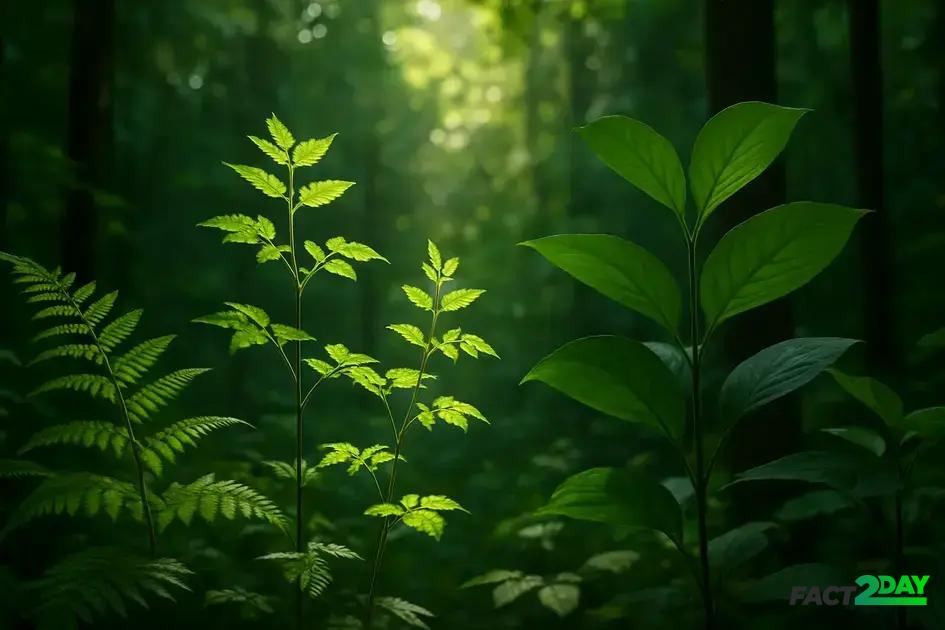
Plants with intelligence demonstrate complex sensing, communication, and adaptive behaviors that reveal their ability to interact with the environment and each other in surprisingly smart ways.
Have you ever wondered if plants can think or feel? The idea of plants with intelligence invites us to explore the subtle ways greenery interacts with its surroundings. Let’s walk through some of the surprising behaviors that hint at plant intelligence.
how plants sense and respond to their environment
Plants have developed remarkable ways to sense and respond to their environment, allowing them to survive and thrive in various conditions. They can detect light, gravity, temperature, and touch, triggering specific reactions that help them adapt. For example, photoreceptors in plants sense sunlight, enabling them to grow towards the light source, a process called phototropism.
Another essential sense is gravitropism, where roots grow downward and stems grow upward in response to gravity. This ensures that plants remain anchored and properly oriented for optimal light exposure. Additionally, plants can respond to touch stimuli; some species, like the Venus flytrap, snap shut when touched, showcasing rapid movement based on environmental cues.
Temperature sensing is also vital. Certain plants adjust their growth cycles depending on seasonal temperature changes, ensuring flowering and seed production occur at the best times. These abilities highlight how plants continuously monitor their surroundings and react in sophisticated, yet subtle ways to optimize growth and survival.
communication and signaling among plants
Plants use a variety of communication and signaling methods to interact with each other and respond to their surroundings. One key form of communication is through chemical signals released into the air or soil to warn neighboring plants about dangers such as pests or environmental stress.
For example, when attacked by insects, some plants emit volatile organic compounds that alert nearby plants to activate their own defense mechanisms. This kind of chemical signaling helps communities of plants survive better together.
Besides chemicals, plants also use root networks connected by fungi, known as mycorrhizal networks, to exchange nutrients and information. This underground communication pathway allows plants to share resources and even warn others about threats, demonstrating a complex web of signaling beneath the surface.
Electrical signals similar to those in animal nervous systems have also been observed in plants. These signals help coordinate rapid responses, such as closing leaves or releasing toxins.
Overall, these communication strategies reveal that plants are not solitary organisms but are connected in dynamic, intelligent systems.
practical lessons from plant intelligence for daily life
Plants demonstrate remarkable intelligence that offers practical lessons we can apply in daily life. One key lesson is resilience. Plants constantly adapt to changing conditions like drought or poor soil by altering their growth patterns. This teaches us the value of flexibility in facing life’s challenges.
Another lesson is effective resource management. Plants optimize water and nutrient use efficiently, encouraging us to minimize waste and value what we have. Observing how plants communicate and cooperate also inspires better teamwork and community support in human relationships.
Patience and Growth
Plants remind us to be patient. Growth and success often happen slowly and steadily, not instantly. This outlook helps us appreciate progress over time, rather than rushing results.
Environmental Awareness
Plants are finely tuned to their environments. Similarly, being aware of our surroundings and making choices that benefit both ourselves and the planet can lead to healthier, more sustainable living.
By embracing these lessons from plant intelligence, we can cultivate habits that improve not only our lives but also the world around us.
Embracing Plant Intelligence in Everyday Life
Understanding how plants sense, communicate, and adapt reveals their hidden intelligence, offering valuable insights for us. By learning from their resilience, resourcefulness, and patience, we can improve our own habits and relationships.
Plants teach us to be mindful of our environment and to work together, showing that intelligence comes in many forms. Appreciating these lessons helps us connect more deeply with nature and supports a more balanced, sustainable life.
So next time you see a plant, remember it’s not just a decoration—it’s a smart, living teacher.