Plants That Move on Their Own Like Animals
Discover how plants that move challenge our ideas of nature. Explore fascinating examples that move like animals in surprising ways.
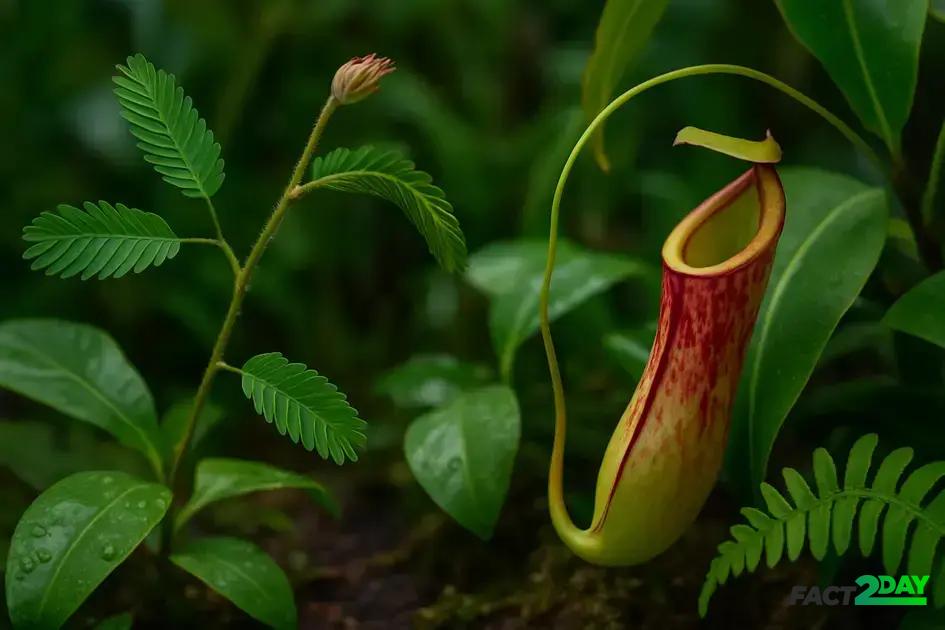
Plants that move are capable of rapid or slow motions driven by mechanisms like turgor pressure changes, action potentials, and hormonal signals to survive, defend, reproduce, and adapt to their environment.
Have you ever wondered about plants that move? Unlike our usual idea of plants as still organisms, some actually perform movements surprisingly similar to animals. Curious how they do it and why? Let’s dive into this fascinating world.
What are plants that move and how do they differ from other plants?
Plants that move are unique because, unlike most plants that remain fixed, they exhibit motion in response to stimuli. These movements can be slow, like the growth of vines, or rapid, like the sudden closing of a Venus flytrap. The key difference lies in their ability to change position or shape actively, often to improve survival or reproduction.
Most plants grow towards light or water, a process called tropism. However, plants that move take it further by reacting quickly or in specialized ways. For example, some use changes in turgor pressure in their cells to fold leaves or trap insects.
Mechanisms of Plant Movement
Movement in plants can result from growth, changes in cell size, or fluid pressure shifts. The fastest plant movements usually involve rapid loss or gain of water within cells, which causes leaves or petals to move.
Plants that move often respond to environmental triggers such as light, touch, or gravity. This sensory ability helps them adapt and survive in ways most plants cannot.
Comparison with Other Plants
While typical plants grow slowly or stay still, moving plants actively change their physical state in real-time. This makes them fascinating subjects for study, blurring the line between plant and animal movements.
The fastest moving plants: examples and mechanisms
Among plants, some are known for their surprisingly fast movements, defying the common perception that plants are slow or stationary. For example, the Venus flytrap can snap its trap shut in less than a second to catch insects. This speed helps it capture prey crucial for its survival.
Another example is the Mimosa pudica, or sensitive plant, which folds its leaves rapidly when touched. This movement happens within seconds and is a defense mechanism to deter herbivores.
How These Plants Move So Quickly
The rapid movement in these plants is often caused by changes in turgor pressure—the pressure of water inside their cells. When triggered by touch or other stimuli, cells lose water quickly, causing parts of the plant to change shape.
In addition, electrical signals, similar to nerve impulses in animals, play a key role. These signals spread through the plant and cause the cells to move rapidly, enabling quick responses.
Why Speed Matters
Fast movements serve important purposes like capturing prey, avoiding harm, or protecting vulnerable parts of the plant. This remarkable ability shows how plants have evolved complex mechanisms to survive in their environments.
How do plants sense their environment to trigger movement?
Plants have developed intricate systems to sense changes in their environment and respond through movement. They detect stimuli like light, touch, gravity, and chemicals using specialized cells and structures.
Light sensing
Plants use photoreceptors such as phytochromes and phototropins to detect light direction and intensity. This enables them to adjust growth and movement to maximize sunlight exposure.
Touch detection
Some plants, like the sensitive mimosa, have mechanoreceptors that register touch or vibrations. When triggered, these receptors send signals causing rapid movement as a defense mechanism.
Gravity perception
Plants also sense gravity through specialized cells containing dense particles called statoliths. These help direct root and stem growth by signaling which way is down or up.
Chemical signaling
Plants release and respond to chemicals that act as signals within their tissues, coordinating movements like closing or opening leaves. Hormones such as auxins and jasmonates help regulate these responses.
Once environmental cues are detected, plants translate them into electrical and chemical signals. These signals trigger changes in cell pressure and growth patterns, enabling movements that help plants adapt and survive.
Carnivorous plants and their unique motion to catch prey
Carnivorous plants have evolved fascinating methods to catch and digest prey, using unique movements that set them apart from other plants. These motions are essential for trapping insects and other small organisms, which provide nutrients missing from poor soil conditions.
Types of trapping mechanisms
Different carnivorous plants use varied methods to capture prey. The Venus flytrap snaps its leaves shut quickly when trigger hairs are touched. Pitcher plants lure insects into deep, slippery tubes where they become trapped and digested.
Movement in capture
The rapid closing of a Venus flytrap relies on a change in turgor pressure, allowing the leaf lobes to snap shut in less than a second. This fast movement is triggered by mechanical stimulation of sensitive hairs.
Other plants like sundews have sticky glandular hairs that slowly curl around trapped insects, increasing contact time for digestion. This movement is slower but equally effective.
Adaptation for survival
These motion abilities help carnivorous plants thrive in nutrient-poor environments by supplementing their diet with insects. The combination of movement and digestion mechanisms highlights a remarkable adaptation in the plant kingdom.
Mimosa pudica: the shy plant that moves when touched
Mimosa pudica, commonly known as the sensitive or shy plant, is famous for its rapid leaf movements in response to touch. When disturbed, its compound leaves fold inward and droop, protecting itself from harm.
How the movement works
This plant’s movement is driven by a rapid change in turgor pressure within specialized cells at the base of its leaflets, called pulvini. When touched, an electrical signal triggers potassium ions to move out of these cells, causing water to follow and the cells to shrink quickly.
As a result, the leaves fold and collapse, giving the appearance that the plant is closing up or shy. This quick response happens within seconds and can be triggered by touch, heat, or even shaking.
Purpose of the movement
The folding action serves as a defense mechanism to discourage herbivores and prevent damage. Additionally, this rapid motion may help shake off harmful insects or debris.
Recovering after movement
After a few minutes of rest, the cells regain water and turgor pressure, allowing the leaves to reopen and return to their original position, ready to respond to stimuli again.
The role of plant hormones in controlling movement
Plant hormones play a crucial role in controlling the movements of plants. These chemical messengers regulate growth, response to stimuli, and other physiological processes that result in motion.
Auxins and directional growth
Auxins are hormones that help plants grow towards light or away from gravity, a process called tropism. They influence cell elongation on one side of the plant, causing it to bend and move accordingly.
Role of gibberellins and cytokinins
Gibberellins promote stem elongation and seed germination, which can affect how a plant adjusts its posture or expands its reach. Cytokinins encourage cell division and work with auxins to balance growth and movement.
Ethylene and stress response
Ethylene is a hormone involved in responses to stress or damage. It can trigger movements like the closing of flower petals or the shedding of leaves.
Abscisic acid and dormancy
Abscisic acid helps plants manage water loss and induces dormancy, indirectly controlling movements such as leaf curling during drought.
These hormones work through complex signaling pathways, coordinating rapid and slow movements that allow plants to adapt and thrive in changing environments.
Plants that drift: movements caused by growth and environmental factors
Some plants exhibit movement not through rapid actions but through slow changes caused by growth and external environmental factors. This type of motion, often called plant drifting, results from growth patterns, wind, water currents, or changes in soil.
Growth-driven movements
Plants can move as they grow toward light or water sources. For example, vines slowly twist and climb structures, adjusting their position over time. This growth movement allows plants to access better resources.
Environmental influences
External factors such as wind and water flow can physically move plants or their parts. Aquatic plants may drift with water currents, while grasses bend and sway in the wind, which can aid seed dispersal.
Directional growth and tropism
Plants use tropisms to guide their growth directionally. Phototropism directs growth toward light, while gravitropism helps roots grow downward. These slow, directional movements shape how plants drift and adapt.
Together, growth and environmental forces create dynamic and ever-changing plant positions, emphasizing how plants interact with and respond to their surroundings.
How do plants use movement for survival and reproduction?
Plants use movement in various ways to survive and reproduce, adapting to their environment and ensuring their species continue.
Movement for defense
Some plants move to protect themselves from harm. For example, the mimosa pudica folds its leaves quickly when touched, deterring animals and insects from eating it.
Movement to capture nutrients
Carnivorous plants use rapid movements to trap insects. The Venus flytrap snaps shut on prey, providing essential nutrients in poor soil conditions.
Movement aiding pollination
Certain flowers move their petals or produce subtle motion to attract pollinators like bees and birds, increasing the chances of reproduction.
Seed dispersal through movement
Plants also use movements to spread their seeds. For example, some seed pods burst open or twist to fling seeds away from the parent plant, helping colonize new areas.
These movements, whether slow or fast, are vital strategies that help plants manage challenges and thrive in diverse environments.
The science behind rapid plant movements: action potentials and hydraulics
Rapid plant movements involve complex biological processes that allow some plants to respond quickly to stimuli. Two key mechanisms behind these movements are action potentials and hydraulic changes.
Action potentials in plants
Similar to nerve impulses in animals, action potentials are electrical signals that travel through plant cells. When triggered by touch or other stimuli, these electrical waves cause cells to change their behavior, leading to movement.
Hydraulic pressure changes
Plants use changes in turgor pressure—the pressure of water inside cells—to move rapidly. By quickly shifting water in and out of specific cells, plants can alter their shape or position almost instantly.
How these mechanisms work together
Action potentials trigger the opening or closing of channels that regulate water flow within plant cells. This coordination causes parts of the plant, like leaves or traps, to snap shut or fold swiftly.
Understanding these biological systems highlights how plants, though rooted and slow growing in most cases, have evolved remarkable abilities to move fast when survival requires it.
Uncommon examples of plants that move and what they teach us
Some plants display movement in less obvious or uncommon ways, offering unique insights into plant behavior and adaptation.
Sea grass meadows
Sea grasses gently sway with ocean currents, a slow motion that helps distribute nutrients and seeds. This movement highlights how plants can adapt to underwater environments.
Resurrection plants
These plants can survive extreme dehydration by curling up into tight balls. Upon rehydration, they rapidly unfold and resume photosynthesis, demonstrating incredible resilience.
Clock plants and circadian rhythms
Some plants move their leaves or flowers in daily cycles controlled by internal clocks. These subtle motions help optimize light capture and temperature regulation.
Root growth and soil exploration
Roots slowly adjust direction to seek water and nutrients, displaying movement underground that is crucial for plant health.
These uncommon examples teach us that plant movement is diverse and vital for survival, adapting to varied environments and challenges in creative ways.
Understanding the fascinating world of moving plants
Plants that move on their own like animals challenge the idea that plants are always still. From rapid movements like the Venus flytrap snapping shut to slow growth-driven shifts, these plants show incredible ways to survive and adapt.
Learning about how plants sense their environment, use hormones, and perform unique motions helps us appreciate their complexity and resilience. These movements serve important roles like defense, capturing nutrients, reproduction, and adapting to changing conditions.
By exploring both common and uncommon moving plants, we gain insight into nature’s creativity and the amazing strategies plants use to thrive around us.