The Green Revolution: The Most Bizarre Plants That Perfectly Mimic Meat and Dairy
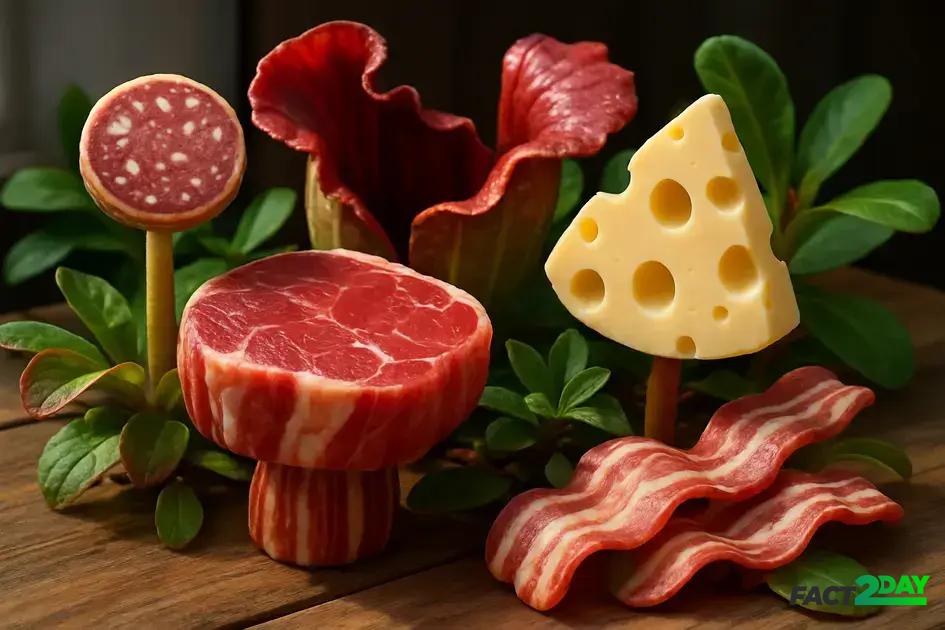
Discover how Plants Mimic Meat with astonishing realism, transforming the future of food with nature's most curious green revolution.
Exoplanets are planets orbiting stars beyond our solar system, discovered through techniques like observing starlight dimming, revealing the vast, diverse possibilities of worlds beyond Earth.
Have you ever wondered how some plants can perfectly imitate the taste and texture of meat and dairy? Plants Mimic Meat in extraordinary ways, sparking a green revolution that might change the future of our plates. Let’s dive into this fascinating world and uncover nature’s surprising culinary secrets!
What are plants that mimic meat and dairy?
Plants that mimic meat and dairy are fascinating examples of nature’s ability to replicate the taste, texture, and nutritional profiles of animal products using only plant-based ingredients. These plants often possess unique structures, fibers, and proteins that when processed, can provide a similar culinary experience to traditional meat or dairy. For example, jackfruit has a fibrous texture that many describe as similar to pulled pork, while certain fungi like mushrooms offer umami flavors commonly found in meat.
Other plants like soy and peas contain high-quality proteins and can be engineered into meat substitutes such as burgers, sausages, and nuggets. Dairy alternatives such as almond, oat, and coconut milk come from plants but can mimic the creamy texture of cow’s milk. The plant kingdom offers a wide variety of raw materials that food scientists and chefs use to develop products that are not only flavorful but also sustainable.
Key characteristics of plants that mimic meat and dairy
These plants often share high fiber content, sturdy cell walls, and complex protein structures, which create the mouthfeel comparable to meat. Additionally, they can be fermented or combined with natural flavorings like yeast extracts to replicate the taste profiles of cheese or yogurt.
Understanding these traits allows food innovators to create products that appeal both to vegetarians, vegans, and flexitarians seeking healthier or more eco-friendly options. The continuous exploration of these plants promises exciting advances in our diets and food culture.
The science behind plant-based meat mimics
The science behind plant-based meat mimics is a blend of biology, chemistry, and food technology. Researchers study the structure and composition of animal meat to recreate its texture and flavor using plant ingredients. Key elements like proteins, fats, and fibers are analyzed to understand how they interact to produce the familiar meaty taste and mouthfeel.
One important technique is the isolation of plant proteins from sources like soy, peas, and wheat. These proteins are then processed through methods such as extrusion, which aligns the protein fibers to simulate the texture of muscle tissue. This process creates a fibrous, chewy product that feels like meat when cooked.
Flavor science and enhancement
Flavors in plant-based meats often come from natural compounds, including amino acids, sugars, and fats. Scientists use natural flavor precursors and fermentation to generate umami and savory notes typical of animal products. Ingredients like beet juice or mushroom extracts add depth and help mimic the appearance of real meat.
Fat is another crucial element. Plant oils such as coconut and canola are chosen for their melting properties that resemble animal fats, giving the product juiciness and richness. Combining these fats with proteins and flavors results in a convincing meat substitute.
Advances in biotechnology
Recent innovations include the use of cell cultures and fermentation biotechnology to produce heme proteins and other molecules that enhance authenticity. These scientific advances push plant-based meats closer to the sensory experience of traditional meat, making them appealing to a broader audience.
Top bizarre plants that resemble meat textures
Several plants are known for their unique ability to resemble the texture and appearance of meat. One of the most famous is jackfruit, whose fibrous, shredded interior is often used as a plant-based substitute for pulled pork or shredded chicken. Its versatility and mild flavor make it popular in many vegan and vegetarian recipes.
Another remarkable example is the oyster mushroom. With a tender yet chewy texture, it mimics the feel of seafood or meat in stir-fries and soups. Its rich umami flavor enhances the meat-like eating experience without any animal products.
Other notable meat-like plants
Seitan, made from wheat gluten, has a dense, chewy texture similar to that of cooked meat, making it a favorite in many plant-based dishes. While not a plant in itself, it is derived entirely from plant proteins and is often included in meat mimic discussions.
The tempeh bean cake, crafted from fermented soybeans, carries a firm bite akin to tofu but with a nuttier flavor and texture, usable in recipes where meat chunks are traditionally found.
Finally, banana blossoms offer a tender, flaky texture similar to crab meat, often used in vegan seafood alternatives.
These plants provide exciting ways to enjoy meat-like experiences without consuming animal products. Their textures and flavors offer not only an alternative but a new dimension in plant-based culinary creativity.
How these plants mimic dairy products
Plants mimic dairy products through innovative processing techniques that extract and transform plant components into creamy, flavorful alternatives. Ingredients like almonds, oats, soy, and coconuts are commonly used to create milk substitutes that resemble cow’s milk in texture and taste.
Protein and fat content play key roles in dairy mimicry. For instance, soybeans have proteins similar to those in cow’s milk, offering a rich mouthfeel. Coconut contributes natural fats that enhance creaminess, essential for products like plant-based cream and yogurt.
Fermentation and flavor development
Fermentation is often used to replicate the tangy, complex flavors of dairy products such as cheese and yogurt. Cultures like probiotics ferment plant bases, producing acids and aromatic compounds that mimic dairy’s signature taste.
Thickeners and stabilizers derived from plants, such as agar or carrageenan, help achieve the desired consistency in dairy alternatives. These ingredients ensure that plant-based cheeses, creams, and yogurts have a smooth, spreadable texture comparable to their animal-based counterparts.
Advancements in plant dairy substitutes
Recent breakthroughs include precision fermentation, where microorganisms produce milk proteins identical to those found in cows, but without animals. This technology promises even closer taste and texture matches in the near future.
As consumer demand grows, plant-based dairy continues to evolve, offering diverse options that combine health benefits with sustainable sourcing.
Health benefits of meat-mimicking plants
Meat-mimicking plants offer numerous health benefits compared to traditional animal-based meats. These plants are typically low in saturated fat and cholesterol, which can help reduce the risk of heart disease and improve overall cardiovascular health.
Many plant-based meat alternatives are rich in dietary fiber, which supports healthy digestion and helps maintain stable blood sugar levels. Fiber also promotes a feeling of fullness, assisting with weight management.
Nutrient-rich and antioxidant properties
These plants often contain essential vitamins and minerals such as iron, magnesium, and B vitamins. Additionally, many contain antioxidants that protect the body from oxidative stress and inflammation.
Since they are plant-based, these foods are free from antibiotics and hormones commonly found in conventional meats, potentially reducing exposure to harmful substances.
Supporting a balanced diet
Incorporating meat-mimicking plants into your diet can help diversify nutrient intake and encourage a higher consumption of vegetables and legumes. This shift can lead to better overall nutrition and lower risks of chronic diseases like diabetes and certain cancers.
While not all processed plant-based meats are equally healthy, choosing minimally processed options with natural ingredients maximizes these health benefits.
Environmental impact of plant-based meat alternatives
Plant-based meat alternatives have a significantly lower environmental impact compared to traditional animal farming. They require less land, water, and energy, which helps conserve natural resources and reduce pollution.
Reduction in greenhouse gas emissions
Producing plant-based meats emits far fewer greenhouse gases such as methane and carbon dioxide. This decrease is crucial for combating climate change and protecting the planet.
The cultivation of plants for meat substitutes uses less water than raising livestock, making it a more sustainable option in areas facing water scarcity. Additionally, it reduces deforestation driven by the need for grazing land and feed crops.
Energy and resource efficiency
Processing plants into meat alternatives often requires less energy, especially when compared to the full lifecycle of raising, feeding, and slaughtering animals. This efficiency contributes to a smaller carbon footprint.
By shifting to plant-based diets with meat mimics, individuals can lower their environmental impact and support sustainable agricultural practices that help preserve biodiversity and soil health.
Culinary uses for plants that mimic meat and dairy
Plants that mimic meat and dairy are incredibly versatile and can be used in a wide range of culinary applications. Their textures and flavors allow chefs and home cooks to recreate classic dishes with a plant-based twist.
Using meat-mimicking plants in cooking
Jackfruit is often used in recipes like tacos, sandwiches, and curries where shredded meat is traditionally included. Its ability to absorb spices and sauces makes it a popular choice for flavorful dishes.
Mushrooms, especially varieties like oyster and portobello, serve as excellent meat substitutes in stir-fries, burgers, and stews due to their umami-rich taste and meaty texture.
Dairy alternatives in recipes
Plant-based milks such as almond, oat, and soy milk act as perfect substitutes in baking, coffee, and smoothies. They provide creaminess without lactose, catering to dairy-free diets.
Fermented plant products like soy yogurt and cashew cheese offer tangy notes and spreadable textures ideal for dips, sauces, and dressings.
Creative dishes and culinary innovation
Innovative chefs are combining these meat and dairy mimics to create dishes like vegan lasagna, plant-based cheese boards, and hearty stews that satisfy both plant-eaters and meat lovers.
Using plant-based alternatives encourages culinary creativity and supports a more sustainable food system without sacrificing taste or enjoyment.
Challenges in mass-producing plant meat substitutes
Mass-producing plant meat substitutes comes with several challenges that affect scalability, consistency, and consumer acceptance. One major issue is replicating the exact texture and flavor of meat on a large scale, which requires advanced processing technologies and quality control.
Supply chain limitations also play a role. Key ingredients like pea protein, soy, and other plant proteins depend on agricultural outputs that can be affected by weather, pests, and market demand, making steady production difficult.
Cost and accessibility
Producing plant-based meat alternatives can be expensive due to the need for specialized equipment and processing. This sometimes results in higher prices, limiting access for many consumers and slowing widespread adoption.
Additionally, ensuring food safety and shelf life without compromising taste or texture demands extensive research and development.
Consumer perception and regulatory hurdles
Consumers may have doubts about the taste or nutrition of plant meat substitutes, requiring ongoing education and marketing efforts. There are also complex regulatory standards to navigate regarding labeling and ingredient approvals.
Innovations in biotechnology and processing methods are helping to address these challenges, promising more affordable, high-quality plant-based meats in the future.
Future trends in plant-based food innovation
The future of plant-based food innovation is full of exciting possibilities that combine technology, sustainability, and consumer preferences. Advances in biotechnology are enabling the creation of more realistic meat and dairy substitutes that closely mimic the taste, texture, and nutritional profiles of animal products.
Precision fermentation and cultured ingredients
Precision fermentation is a cutting-edge technology where microbes are programmed to produce specific proteins found in animal products, such as casein in cheese or heme proteins in meat. This approach promises products that taste and behave just like traditional animal foods but without the environmental impact.
Besides improving authenticity, these methods can also enhance the nutritional value and safety of plant-based foods, making them even more attractive to health-conscious consumers.
Ingredient diversity and sustainability
Researchers are exploring a wider variety of plants, algae, and fungi to find novel ingredients that can be used in meat and dairy alternatives. These diverse sources often require fewer resources to grow, supporting global sustainability goals.
Innovations in agricultural practices, such as vertical farming and regenerative agriculture, will further reduce the footprint of producing plant-based ingredients.
Personalization and convenience
Future products will likely focus on personalized nutrition, offering options tailored to individual dietary needs and preferences. Convenient formats like ready-to-eat meals and snacks will expand, making plant-based eating easier for everyday life.
The integration of artificial intelligence and data analytics will play a role in designing new products and improving consumer experiences.
How to incorporate meat-mimicking plants into your diet
Incorporating meat-mimicking plants into your diet is an easy and delicious way to enjoy the benefits of plant-based eating. Start by replacing meat in familiar recipes with plant alternatives like jackfruit, mushrooms, or seitan.
Simple swaps and meal ideas
Try using jackfruit in tacos, sandwiches, or stews as a substitute for pulled pork or chicken. Mushrooms can be grilled or sautéed to replace beef in burgers and stir-fries.
Seitan and tempeh are great protein sources that work well in a variety of dishes, from stir-fried meals to hearty salads. Incorporating these into your meals can boost protein intake while reducing animal product consumption.
Tips for meal planning
Experiment with plant-based recipes and gradually increase their presence in your weekly menu. Mixing meat-mimicking plants with vegetables, grains, and legumes creates balanced meals with varied textures and flavors.
Batch cooking and freezing portions can save time and ensure you always have plant-based options available for busy days.
Getting the flavor right
Use spices, marinades, and sauces to enhance the taste of meat substitutes and tailor them to your preferences. Ingredients like smoked paprika, soy sauce, and liquid smoke add depth and umami.
Remember to keep an open mind and be creative in the kitchen to fully enjoy this green revolution of plant-based foods.
Embracing the future with plant-based meat mimics
Plants that mimic meat and dairy are changing the way we think about food. They offer tasty, healthy, and sustainable alternatives that benefit both consumers and the planet.
By exploring these innovative foods and incorporating them into your diet, you can enjoy delicious meals while supporting a greener future. As technology and creativity continue to advance, the green revolution in food will only grow stronger, making plant-based options more accessible and appealing to everyone.
Now is the perfect time to join this exciting movement and discover the amazing possibilities that plants mimicking meat and dairy can bring to your plate.