The Whispering Woods: How Plants Form Underground Communication Networks and Share Resources
Explore how plant communication networks allow trees to share resources underground, revealing a hidden world of connection and cooperation.
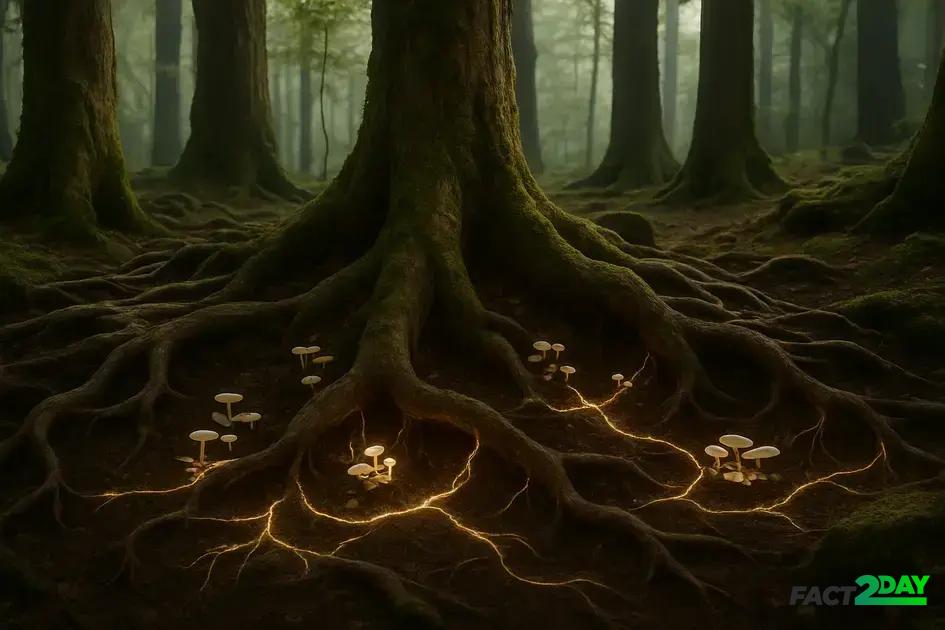
Plant communication networks are underground connections formed by mycorrhizal fungi that link roots, enabling plants to share nutrients, water, and chemical signals for growth, defense, and survival within ecosystems.
Have you ever wondered how trees seem to talk to each other? Plant communication networks reveal an underground web where plants share resources and warnings alike. Let’s walk through this hidden world and discover its quiet wonders.
understanding plant communication networks
Plants communicate through complex underground networks that connect their root systems. These plant communication networks are made possible mainly by symbiotic relationships with fungi, known as mycorrhizal fungi. These fungi create a web-like structure that links different plants, allowing them to exchange nutrients, water, and even chemical signals.
The Hidden Web Beneath Our Feet
This network, often called the “Wood Wide Web,” allows plants to send warnings about pests, share nutrients with weaker neighbors, and even support their offspring. For example, a tree under attack by insects may release chemical signals, warning nearby trees to bolster their defenses.
How Signals Travel
Communication happens through chemical messages transmitted along the fungal highways. These messages can include alerts about environmental stress, availability of nutrients, or signals to trigger growth in certain areas. This form of communication is fundamental for the health and survival of many plants in a community.
Understanding these networks helps reveal how interconnected ecosystems are and highlights the importance of preserving natural habitats. It also changes the way we think about plants — not as isolated beings, but as active participants in a shared community.
how underground fungi link plant roots
Underground fungi play a crucial role in linking plant roots through structures called mycorrhizae. These fungi form a symbiotic relationship with plants, wrapping around or growing into roots, creating a vast network beneath the soil surface. This connection enables plants to access nutrients more efficiently, especially phosphorus and nitrogen, which are vital for growth.
The Mycorrhizal Network
Mycorrhizal fungi extend far beyond the reach of individual plant roots, acting as natural bridges that connect different plants together. Through this shared network, plants can exchange nutrients and water, supporting each other’s health. Some plants even send carbon compounds to others through these fungal connections.
Types of Mycorrhizal Fungi
There are two main types: arbuscular mycorrhizal fungi, which penetrate deep into root cells, and ectomycorrhizal fungi, which envelop the roots without penetrating cells. Both types facilitate exchanges essential for plant survival, particularly in nutrient-poor soils.
This underground fungal network not only improves individual plant health but also strengthens whole ecosystems by fostering cooperation and resilience among plant communities.
sharing resources beneath the soil surface
Plants share resources beneath the soil surface through interconnected networks formed by roots and fungi. This underground exchange allows trees and plants to transfer water, nutrients, and sugars to each other, especially helping younger or weaker plants survive. It’s a form of cooperation that benefits the entire plant community.
How Resource Sharing Happens
Fungi connect plant roots via mycorrhizal networks, acting as a highway for resource distribution. When one plant has excess nutrients like nitrogen or carbon, it can send these through the fungal threads to another plant in need. This sharing supports growth and resilience during stressful conditions, such as drought or nutrient-poor soils.
Examples of Resource Support
Older trees, called “mother trees,” often supply younger seedlings with essential sugars and minerals through these networks. This helps seedlings establish themselves in shaded or tough environments. Such cooperation ensures survival and maintains healthy forest ecosystems.
Understanding this underground resource sharing changes how we see plants—not as isolated individuals, but as members of a supportive community working together beneath the surface.
signals and alerts within plant communities
Plants use underground networks to send signals and alerts to neighboring plants. When a plant experiences stress, like an insect attack or drought, it releases chemical signals into the soil that travel through fungal connections to warn nearby plants.
Types of Signals Sent
These signals can trigger protective responses in other plants, such as producing bitter chemicals or strengthening their cell walls. This early warning system helps plants prepare in advance and increase their chances of survival.
How Communication Happens
Mycorrhizal fungi act as messengers, carrying these chemical alerts quickly and efficiently through their network. The sharing of information ensures that plants in the community are connected and can respond as a group.
This remarkable communication shows how plants are not isolated but actively engaged in their environment, cooperating to face challenges together.
the role of mycorrhizal fungi in ecosystems
Mycorrhizal fungi are essential partners in ecosystems, forming connections with plant roots that benefit both parties. These fungi improve nutrient and water uptake for plants, while receiving sugars produced through photosynthesis in return.
Key Functions in Ecosystems
Mycorrhizal fungi extend the root system far into the soil, increasing the area plants can explore for nutrients like phosphorus and nitrogen. This helps plants grow stronger and survive in nutrient-poor soils.
Supporting Biodiversity and Soil Health
By linking different plants through fungal networks, mycorrhizae promote cooperation and resource sharing, which enhances plant diversity and ecosystem stability. These networks also improve soil structure by binding soil particles, reducing erosion and aiding water retention.
In forests and grasslands alike, the presence of mycorrhizal fungi is vital for maintaining healthy ecosystems and supporting plant communities against environmental stress.
effects of environmental stress on plant networks
Environmental stress such as drought, pollution, and disease can greatly affect plant communication networks. These stresses may disrupt the delicate balance of underground connections, weakening the transfer of nutrients and signals between plants.
Impact on Network Function
When plants undergo stress, the mycorrhizal fungi that link their roots may suffer damage or decline in numbers. This reduces the efficiency of nutrient exchange and can isolate plants from their support system. Stress can also change the chemical signals plants send, leading to less effective warnings and cooperation.
Adaptation and Resilience
Despite these challenges, some plant communities adapt by strengthening existing networks or forming new connections. Plants may increase root growth or encourage fungal partners better suited to withstand harsh conditions. However, prolonged or severe stress can lead to the breakdown of these networks, threatening overall forest health.
Understanding how environmental stress impacts plant networks is key for conservation and managing ecosystems facing climate change and human activities.
implications for forest health and conservation
Understanding plant communication networks has important implications for forest health and conservation. These underground networks support the growth and survival of diverse plant species, maintaining ecosystem balance and resilience.
Protecting the Hidden Networks
Human activities like deforestation, soil disturbance, and pollution can damage mycorrhizal fungi and disrupt communication between plants. Protecting soil health is essential to preserve these vital connections, which help forests recover from stress and resist pests.
Conservation Strategies
Reforestation efforts now focus on restoring fungal networks alongside planting trees. This approach encourages stronger plant communities and better resource sharing. Preserving old-growth forests also safeguards “mother trees” that support younger plants through these underground networks.
By valuing and protecting plant communication networks, conservationists can improve forest management, helping ecosystems thrive amid changing environmental conditions.
practical steps to protect and support these networks
Protecting and supporting plant communication networks involves mindful actions that maintain soil health and foster natural connections. One key step is to avoid disturbing the soil through excessive tilling or construction, which can damage mycorrhizal fungi and root systems.
Encouraging Biodiversity
Planting diverse native species helps build robust underground networks by promoting different fungal partnerships. Diversity strengthens ecosystem resilience, making the networks more effective in sharing resources and signals.
Reducing Chemical Use
Minimizing the use of chemical fertilizers and pesticides protects beneficial fungi and microbes. Organic practices help maintain natural balance and support the healthy function of plant communication networks.
Supporting Reforestation and Conservation
Supporting projects that restore forests and protect old-growth areas ensures the survival of “mother trees” — key hubs in these networks. Such efforts encourage natural regeneration and help maintain underground connectivity.
Simple changes in gardening and land management can have a big impact on sustaining these hidden but vital networks below our feet.
Understanding and Protecting Plant Communication Networks
The way plants connect and communicate underground shows us a hidden side of nature full of cooperation and support. These networks help forests stay healthy and resilient in the face of challenges.
By protecting soil health, encouraging biodiversity, and reducing harmful chemicals, we can support these vital connections. Conservation and mindful land care ensure these networks continue to thrive for future generations.
Recognizing the importance of plant communication networks changes how we see and care for the natural world, reminding us that everything is connected beneath the surface.