The Green Revolution: Exploring the Power and Versatility of Plant-Based Proteins
Plant-based proteins offer a sustainable and versatile way to nourish your body while caring for the planet’s future.
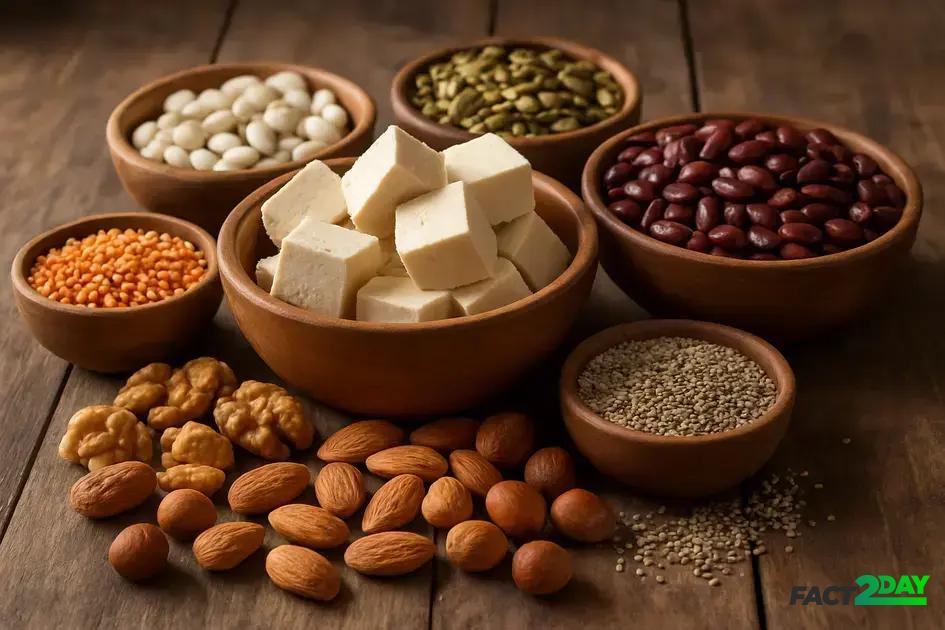
Plant-based proteins are nutritious food sources from plants like beans, lentils, and tofu that provide essential amino acids while reducing environmental impact compared to animal proteins.
Plant-based proteins have been gaining attention for their health and environmental benefits. Have you ever wondered how these proteins differ from animal sources or how they might change the way we eat? Let’s explore their quiet power and the gentle shift they’re prompting in our food choices.
understanding plant-based proteins and their benefits
Plant-based proteins come from foods derived from plants, such as beans, lentils, tofu, nuts, seeds, and whole grains. These proteins provide essential amino acids that the body needs to build and repair tissues. Unlike animal proteins, many plant-based sources are also rich in fiber, vitamins, and minerals, supporting overall health.
Why choose plant-based proteins?
Plant-based proteins offer several benefits, including lower saturated fat and cholesterol levels, which can reduce the risk of heart disease. They also contain antioxidants and phytochemicals that promote wellness. For people with dietary restrictions or those seeking a healthy lifestyle, these proteins serve as nutritious alternatives.
Nutritional value and variety
Not all plant proteins are complete, meaning they might lack one or more essential amino acids. However, by combining different sources, like rice and beans, you can get a full spectrum of amino acids. Diversity in your diet allows you to enjoy a rich variety of flavors and textures, keeping meals exciting and satisfying.
Incorporating plant-based proteins into your meals can provide a balanced diet while supporting sustainable food choices. Whether you’re vegetarian, vegan, or simply exploring healthier options, recognizing the benefits of these proteins can help you make informed decisions for your well-being.
environmental impact of choosing plant-based proteins
Choosing plant-based proteins can significantly reduce your environmental footprint compared to animal-based proteins. Producing plant proteins typically requires less water, land, and energy. For example, growing legumes and grains emits fewer greenhouse gases, making it a more eco-friendly choice.
Water and land usage
Animal farming accounts for a large share of global water consumption and land use. Plant protein crops generally need far less water and space to produce the same amount of protein. This helps preserve natural habitats and supports global water conservation efforts.
Greenhouse gas emissions
Livestock farming releases methane and other greenhouse gases, which contribute to climate change. Plant-based protein production emits much lower levels of these gases, helping to reduce overall carbon emissions. This shift supports cleaner air and a healthier planet.
By opting for plant-based proteins, consumers can play a part in lowering environmental impact, promoting sustainability, and encouraging more responsible food systems around the world.
ways to incorporate plant-based proteins into your daily diet
Incorporating plant-based proteins into your daily diet can be simple and delicious. Start by adding beans or lentils to soups, salads, and stews. These ingredients not only boost protein but also add fiber and texture.
Breakfast options
Try tofu scrambles or nut butters on whole-grain toast for a protein-packed breakfast. You can also blend plant-based protein powders into smoothies for a quick and nutritious start to the day.
Lunch and dinner ideas
Incorporate chickpeas or quinoa into salads or bowls, or use tempeh and seitan as meat substitutes in your favorite recipes. Stir-fries, wraps, and pasta dishes can all benefit from these versatile ingredients.
Snacking on nuts, seeds, or roasted edamame between meals keeps your energy up and supports a balanced diet. Experimenting with herbs and spices can enhance the flavors, making plant-based meals both satisfying and enjoyable.
Embracing the power of plant-based proteins
Choosing plant-based proteins is a smart way to support your health and the environment. These proteins provide essential nutrients and help reduce the impact of food production on our planet.
By exploring different plant-based foods and incorporating them into your meals, you can enjoy a variety of flavors while nourishing your body. Small changes in your diet can make a big difference over time.
Whether you’re looking to improve your well-being or make sustainable choices, plant-based proteins offer a flexible and delicious path forward. Give them a try and see how they can enhance your daily eating habits.