Blocky Beauty: The Stylistic Reinvention of Pixel Art and Low-Poly in Modern Games
Arte pixel art / low-poly traz uma nova essência visual aos games, unindo nostalgia e inovação para cativar jogadores modernos.
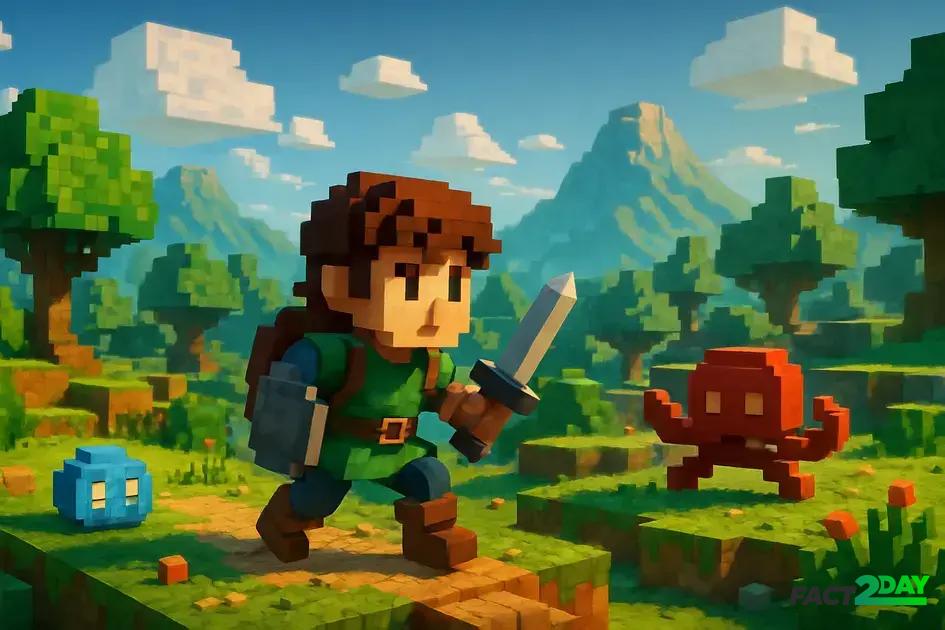
Pixel art/low-poly is a game design style that uses simple block-based visuals and limited colors or polygons to create nostalgic, clear, and engaging aesthetics that enhance gameplay and artistic expression in modern games.
Have you ever been captivated by the visual simplicity of blocky games? Pixel art/low-poly reflects this minimalist beauty, combining nostalgia and modernity. Let’s explore together how these aesthetics transform the world of digital games.
The origin and evolution of pixel art and low-poly art
The origins of pixel art trace back to the early days of video games, where limited hardware capabilities required artists to create detailed images using tiny blocks called pixels. This necessity inspired a unique and charming aesthetic that has since become iconic in gaming culture. Similarly, low-poly art emerged with the rise of 3D graphics, focusing on creating models with a minimal number of polygons to ensure smooth performance on early computers and consoles.
The rise of pixel art
Pixel art started as a practical solution for constrained systems but grew into a loved style due to its nostalgic and distinctive look. Classic games from the 80s and 90s showcased pixel art’s potential to convey emotion and environment within strict limitations.
The development of low-poly style
Low-poly gained popularity with 3D games in the 90s as developers balanced visual appeal and performance. The style’s simplicity and geometric beauty eventually became an artistic choice, celebrated for its clean, abstract lines and forms.
Both styles persisted into modern gaming, evolving with technology but maintaining their core characteristics. Today, pixel art and low-poly continue to influence indie games and larger productions, valued for their nostalgic feel and visual clarity, proving that less can indeed be more.
How blocky aesthetics influence the player experience
The block-based aesthetics of pixel art and low-poly greatly impact the player’s experience by creating a visually distinctive world that blends simplicity with creativity. This style encourages players to use their imagination to fill in gaps, making gameplay more engaging and personal.
Immersive nostalgia and simplicity
Pixel art evokes a sense of nostalgia for classic games, reminding players of earlier gaming eras. Meanwhile, low-poly art offers a modern yet minimalist aesthetic that keeps visuals clean and easy to interpret. Both styles reduce visual clutter and focus attention on gameplay mechanics.
Clear visual communication
The use of larger block shapes and fewer details supports clear and quick comprehension of game elements, which is especially important in fast-paced games. Players can easily distinguish characters, obstacles, and interactive objects, improving usability and enjoyment.
This aesthetic also enables unique artistic expression, where developers play with color palettes, shading, and geometric shapes to convey mood and storytelling without overwhelming the senses. The charm of simplicity combined with effective design leads to a memorable player experience.
Practical tips for creating pixel art and low-poly in games
Creating pixel art and low-poly for games combines creativity with technical skill. Start by understanding the basic tools: pixel editors like Aseprite for pixel art and 3D software like Blender for low-poly models. These tools allow you to work with limited colors and polygons to achieve the desired style.
Plan your design
Sketch your ideas before digital creation. For pixel art, focus on the silhouette and color palette. Keep it simple and clear to convey the character or object effectively. In low-poly, block out basic shapes first and then refine details while keeping polygon counts low.
Use color and shading wisely
Color choice is crucial to give life and depth. In pixel art, use a limited palette and rely on dithering techniques to create gradients and textures. For low-poly, apply flat or subtle gradient shading to highlight geometry without losing the minimalist appeal.
Test and iterate
Constantly test your artwork in the game environment. Adjust colors, shapes, and proportions to ensure clarity and visual appeal. Remember, less is often more in these styles, so focus on effective simplicity rather than overcomplicating designs.
Embracing the power of pixel art and low-poly design
Mastering pixel art and low-poly techniques opens the door to creating visually striking games that stand out. By focusing on simplicity, color, and careful design, developers can craft unique worlds that engage players deeply.
Remember to practice, experiment with tools, and always test your work in real game scenarios. This approach ensures that your art not only looks great but also enhances gameplay.
Overall, pixel art and low-poly styles prove that creativity and smart design choices can make a big impact, no matter how simple the elements may seem.