Sea Slugs That Steal the Power of the Sun
Photosynthetic sea slugs capture sunlight to fuel life beneath the waves, revealing nature’s surprising partnership with light.
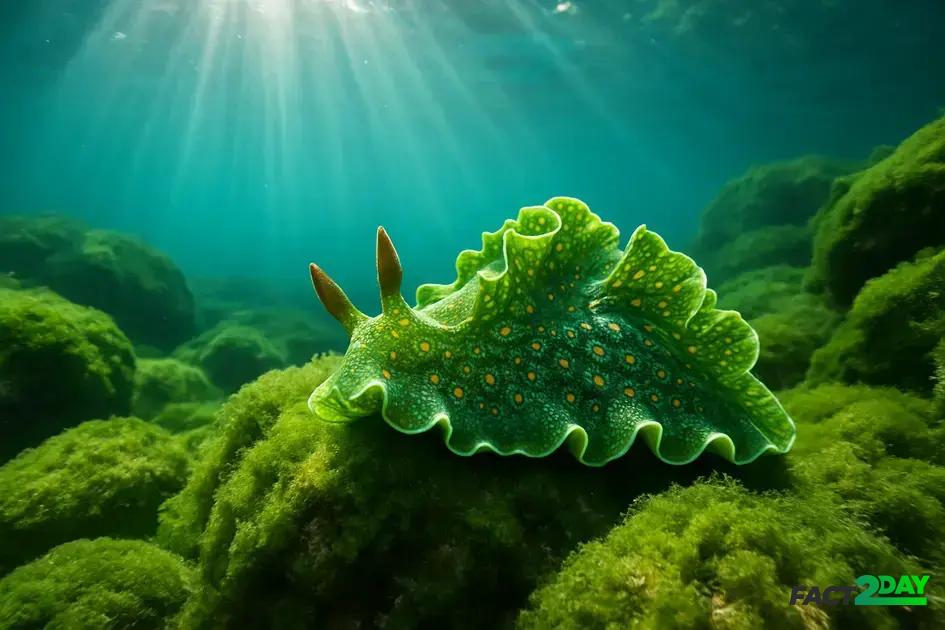
Photosynthetic sea slugs steal chloroplasts from algae to perform photosynthesis, enabling them to harness solar energy for survival, camouflage, and reduced feeding needs in diverse marine environments.
Have you ever heard of photosynthetic sea slugs? These incredible creatures borrow the sun’s energy, blending animal and plant worlds in a quiet, shimmery dance beneath the ocean’s surface. Join me as we explore their luminous secret and what it reveals about life’s endless creativity.
What makes photosynthetic sea slugs unique
Photosynthetic sea slugs are unique marine creatures that blur the line between animals and plants. Unlike most animals, they can capture sunlight and convert it into energy, a trait usually reserved for plants. This remarkable ability is due to a process called “kleptoplasty,” where the slugs steal chloroplasts from the algae they eat and keep them alive inside their own tissues.
These stolen chloroplasts continue to perform photosynthesis within the slug’s body, allowing it to produce sugars and energy from sunlight. This unusual adaptation lets sea slugs survive longer periods without food and thrive in environments where food might be scarce.
Photosynthetic sea slugs also exhibit vibrant green colors, thanks to the chloroplasts, which help them blend into their surroundings and avoid predators. This natural camouflage makes them masters of disguise in coral reefs and seaweed beds.
This unique combination of animal behavior and plant function makes photosynthetic sea slugs a fascinating example of evolutionary innovation in the ocean world.
How sea slugs harness solar energy
Sea slugs harness solar energy through a fascinating process called kleptoplasty. After feeding on algae, these sea slugs extract chloroplasts — the parts of algae cells responsible for photosynthesis — and incorporate them into their own tissues. These stolen chloroplasts remain functional inside the slug’s cells, allowing the slug to convert sunlight into energy just like plants do.
This ability helps sea slugs survive in environments where food is limited, by supplementing their diet with energy from the sun. The chloroplasts use sunlight to create sugars through photosynthesis, providing the slug with a steady energy source. This solar energy allows the sea slugs to reduce their need for constant feeding.
The cooperation between the slug and the chloroplasts is a remarkable example of symbiosis and adaptation in nature. The slug’s body protects and supports the chloroplasts, while the chloroplasts provide energy, creating a unique survival strategy under the sea.
In addition, this solar-powered lifestyle gives many photosynthetic sea slugs their vibrant green color, helping them blend into their environment and evade predators.
The role of stolen chloroplasts
The stolen chloroplasts, known as kleptoplasts, play a crucial role in photosynthetic sea slugs. After consuming algae, the slugs retain these chloroplasts in specialized cells within their own bodies, where the chloroplasts keep performing photosynthesis. This allows the slugs to produce energy-rich sugars from sunlight, essentially turning them into solar-powered animals.
Maintaining functional chloroplasts isn’t simple. The sea slug’s cells provide protection and nutrients to keep the chloroplasts alive for weeks or even months. This unique relationship is rare in the animal kingdom and represents a form of symbiosis where the slug benefits directly from plant-like abilities.
The photosynthesis carried out by the stolen chloroplasts can supply a substantial part of the slug’s energy needs. This reduces their dependence on constant feeding and can be vital during times when food is scarce. Additionally, the green color from the chloroplasts helps camouflage the slugs among seaweed and algae, offering an extra defense against predators.
Scientists continue to study this phenomenon to better understand how sea slugs manage to keep chloroplasts active and what this might teach us about cellular interactions across species.
Benefits of photosynthesis for sea slugs
Photosynthesis brings several important benefits to photosynthetic sea slugs. By using stolen chloroplasts, these slugs can generate energy directly from sunlight, which helps them survive in nutrient-poor environments. This ability reduces their need to constantly search for food, conserving energy and allowing them to live longer without eating.
Another benefit is improved survival and growth. Photosynthesis provides a steady energy supply that supports vital body functions and development. This advantage is especially helpful in habitats where algae, the slug’s main food source, may be scarce or seasonal.
Photosynthetic energy also enables better camouflage. The green color from the chloroplasts helps sea slugs blend with algae-covered rocks and seagrass, protecting them from predators.
Finally, this unique adaptation expands their ecological niche. By partially relying on solar energy, photosynthetic sea slugs can occupy areas that might not support other similar species, showcasing evolution’s creativity in helping organisms adapt to challenging environments.
The ecological impact of photosynthetic sea slugs
Photosynthetic sea slugs have a notable ecological impact in their marine environments. By relying on stolen chloroplasts to create energy from sunlight, they contribute to energy flow in ecosystems in a way that few other animals do. This ability reduces the pressure on algae populations since the slugs can survive longer without constant feeding.
These slugs also support the balance of coral reef systems. By grazing on algae, they help prevent algal overgrowth, which can otherwise smother corals and disrupt reef health. Their presence promotes biodiversity and maintains healthy underwater habitats.
Moreover, because sea slugs serve as prey for various fish and invertebrates, their solar-powered survival boosts food web stability. They act as a unique bridge between primary producers like algae and higher-level consumers, shifting traditional energy dynamics.
Changes in their populations can signal shifts in marine environmental conditions, making them important indicator species. Scientists study these sea slugs to better understand the health of coastal ecosystems and the effects of climate change on marine life.
How these slugs adapt to different environments
Photosynthetic sea slugs have developed remarkable adaptations to thrive in a variety of marine environments. Their ability to steal chloroplasts from algae and sustain photosynthesis allows them to survive in places where food availability fluctuates. This solar-powered energy source gives them an edge in adapting to different conditions.
In cooler or nutrient-poor waters, these slugs can rely more heavily on the energy generated through photosynthesis, reducing their need to hunt constantly. Their bodies often change color with the amount and type of chloroplasts they hold, helping with camouflage in diverse surroundings.
They also have flexible diets, feeding on various algae species to acquire the chloroplasts they need. This dietary adaptability lets them colonize coral reefs, seagrass beds, and rocky shorelines. Additionally, their ability to store chloroplasts for extended periods helps them endure times when food is scarce.
Their physical structure is optimized for life in these environments. Many have flattened, leaf-like bodies that increase surface area for capturing sunlight. Some species adjust their behavior by moving to sunlit areas during the day to maximize photosynthesis, then hiding at night to avoid predators.
The symbiotic relationship with algae
The symbiotic relationship between photosynthetic sea slugs and algae is a fascinating example of nature’s innovation. Sea slugs feed on certain algae and extract chloroplasts from their cells. Instead of digesting them completely, the slugs incorporate these chloroplasts into their own tissues. This allows the chloroplasts to carry on photosynthesis inside the slug, supplying it with energy much like a plant.
This relationship, called kleptoplasty, benefits the sea slug by providing a steady source of energy through sunlight. Meanwhile, the algae lose their chloroplasts but continue to reproduce, maintaining their own populations.
Maintaining stolen chloroplasts can be complex, as the slugs must protect and nourish them for weeks. Research shows that sea slugs might also acquire certain genes from algae, helping sustain chloroplast function longer.
This unique interaction blurs the boundaries between species and kingdoms, revealing how life adapts through connection and cooperation in diverse marine environments.
Challenges faced by photosynthetic sea slugs
Photosynthetic sea slugs face several unique challenges in their survival. One major challenge is maintaining the stolen chloroplasts, which are delicate organelles normally supported by algae cells. Inside the slug, these chloroplasts must remain functional without the usual support system, making their longevity limited and variable.
Another difficulty is the risk of predation. Although their green coloration helps camouflage them in algae-rich environments, they are still vulnerable to predators. If the chloroplasts are damaged or lost, the slugs lose their ability to produce energy from sunlight, which can weaken them.
Environmental changes such as pollution, temperature shifts, and habitat loss also pose threats. These conditions can impact both the algae populations the slugs feast on and the slugs’ ability to retain chloroplasts effectively.
Additionally, the energy gained from photosynthesis is not sufficient for all their needs, so slugs must still feed regularly. This dual dependency means they balance between hunting algae and relying on solar energy, making their lifestyle quite complex.
Researchers are still uncovering how these challenges impact the long-term survival and distribution of photosynthetic sea slugs within marine ecosystems.
Observing photosynthetic sea slugs in the wild
Observing photosynthetic sea slugs in the wild requires patience and knowledge of their habitats. These slugs often live in shallow, sunlit waters near coral reefs, seagrass beds, and rocky shorelines where their algal food source grows.
They can be spotted clinging to or crawling over algae, their bright green color blending in seamlessly with their surroundings, providing natural camouflage. Because of their small size and elusive behavior, spotting them may require careful searching among seaweed and algae.
Snorkeling or shallow diving during daylight hours increases the chance of observation, as these slugs are more active and exposed to sunlight when they photosynthesize. Observers should move slowly to avoid disturbing the slugs or their habitat.
Understanding the slime trails and feeding marks on algae can also help identify areas where photosynthetic sea slugs are present. Photographers and marine enthusiasts often seek these creatures due to their unusual ability to harness sunlight, making sightings both rare and exciting.
Respecting their environment is essential. Avoid touching or removing them from their habitats to ensure these fascinating animals continue to thrive.
Future research and conservation efforts
Future research on photosynthetic sea slugs aims to uncover more about their unique biology and how they maintain stolen chloroplasts for extended periods. Scientists are exploring the genetic mechanisms behind this ability, which could shed light on new forms of symbiosis and cellular function.
Conservation efforts are increasingly important as these slugs face threats from habitat loss, pollution, and climate change. Protecting their coastal habitats such as coral reefs and seagrass beds is crucial for their survival.
Marine protected areas and sustainable coastal management can help preserve the delicate ecosystems photosynthetic sea slugs depend on. Public education and citizen science projects also raise awareness and encourage involvement in protecting these remarkable creatures.
Developing advanced imaging and molecular tools will allow researchers to monitor slug populations and their health more effectively. This knowledge will guide conservation strategies to ensure their long-term survival.
As we uncover more about photosynthetic sea slugs, their extraordinary adaptation serves as a reminder of the complexity of marine life and the importance of preserving biodiversity for future generations.
Understanding the remarkable sea slugs
Photosynthetic sea slugs show us how nature can surprise us with unique adaptations. Their ability to harness sunlight by stealing chloroplasts challenges what we know about animals and plants. This fascinating skill helps them survive in tough environments and plays a special role in marine ecosystems.
Ongoing research and conservation efforts are vital to protect these creatures and their habitats. By learning more about sea slugs and their relationship with algae, we gain insights into the delicate balance of ocean life and the importance of preserving biodiversity.
Exploring these sun-powered sea slugs invites us to marvel at the creativity of life beneath the waves and reminds us why protecting our oceans matters for future generations.