Paws and Pixels: Memorable Pets in Gaming
Discover the charm of pets in video games, companions that enrich gameplay and create unforgettable virtual friendships.
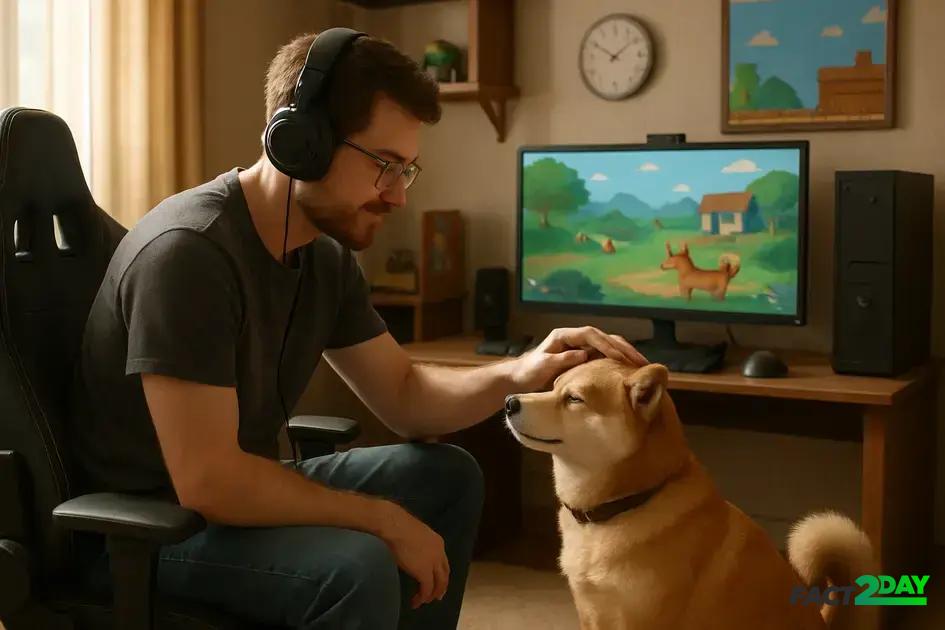
Pets in video games serve as interactive companions that enrich gameplay, enhance storytelling, and create emotional bonds through lifelike behavior and evolving technology.
Pets in video games hold a special place in many players’ hearts, often becoming more than just sidekicks. Have you ever felt a real bond with a digital companion? Let’s explore how these virtual pets captivate us in unexpected ways.
the role of pets in game storytelling
Pets in video games often play a crucial role in enhancing the storytelling experience. They are more than just companions; they help convey emotions, advance the plot, and deepen the player’s connection to the game world. For example, in many games, pets serve as loyal sidekicks who accompany protagonists through challenges, offering assistance or revealing backstory through their interactions.
These digital pets can symbolize themes such as friendship, loyalty, or loss, enriching the narrative. Their presence often creates memorable moments that players cherish, such as saving a pet from danger or responding to their unique behaviors and needs. This emotional bond helps make stories more immersive and personal.
Moreover, pets can act as a storytelling device by providing subtle hints or triggering events within the game. They might alert players to nearby secrets or dangers, making the gameplay feel more dynamic and integrated with the narrative.
In summary, pets are powerful tools in game storytelling, blending gameplay and narrative to create deeper engagement and emotional resonance with players.
how pets affect gameplay mechanics
Pets in video games often influence gameplay mechanics by adding new layers of strategy and interaction. They can provide players with helpful abilities, such as detecting hidden items, offering combat support, or even assisting in puzzle-solving. This creates a more dynamic and engaging experience.
Gameplay benefits of pets
Many pets grant unique skills that complement the player’s abilities. For example, a pet might heal the player over time, distract enemies, or carry extra inventory items. These mechanics encourage players to think creatively and use their pets as key assets rather than mere companions.
Enhancing exploration and interaction
Some pets can explore inaccessible areas or uncover secrets, making exploration richer. Their behavior can also respond to the environment, such as barking at danger or pointing to useful objects. This interactivity deepens the player’s involvement in the game world.
Pets also often affect player progression. Gaining new pets or upgrading existing ones can unlock new gameplay options, encouraging players to invest time in building strong bonds with their virtual companions. This progression system can keep gameplay fresh and rewarding.
most iconic pets in video game history
Video games have introduced many iconic pets that left lasting impressions on players. These virtual companions often become symbols of the games themselves, cherished for their unique designs and roles.
Familiar faces in gaming
One of the most famous pets is Dogmeat from the Fallout series. Known for loyalty and bravery, Dogmeat assists players in combat and exploration, becoming a beloved partner. Similarly, Claptrap’s dog, Claptrap’s companion, adds humor and heart to the Borderlands series.
Other unforgettable companions
In The Legend of Zelda series, Link’s wolf form and Epona, the horse, serve as faithful helpers on epic journeys. Pokémon’s wide variety of creatures also stand out, acting both as pets and battle partners that define the franchise. The Chocobos from the Final Fantasy series are equally memorable, offering transportation and charm.
These pets not only enrich gameplay but also help players form emotional connections, making their presence vital in gaming culture.
designing pets that feel alive in games
Creating pets that feel alive in video games involves a combination of smart design, animation, and interactive behavior. Developers use detailed animations to mimic real-life movements, such as tail wagging, ear twitching, or playful jumps, making pets seem more natural and expressive.
Behavior and AI
Advanced AI programming allows pets to react to player actions and the environment in believable ways. For example, a pet might seek attention when ignored, follow the player closely, or show curiosity by sniffing objects. These behaviors create a sense of personality and autonomy.
Sound and visual cues
Sound effects like gentle barks, purrs, or playful growls add another layer of realism. Visually, dynamic lighting and subtle details like fur movement enhance the immersive experience.
Interactive features such as teaching tricks, customizing appearance, or responding to commands help deepen the bond between player and pet. These elements make pets feel like genuine companions rather than simple game assets.
emotional connections between players and their pets
Many players form deep emotional connections with their pets in video games. These virtual companions often become sources of comfort, joy, and even inspiration throughout the gaming journey. Players may feel attachment because pets respond to their actions and create moments of companionship.
Psychological impact of pets in games
Pets provide a sense of loyalty and unconditional support, sparking empathy and care from players. When a pet gets hurt or lost in a game, it can evoke real emotion, making the gaming experience more meaningful and personal.
Shared experiences and memories
Players often share stories about their pets’ unique personalities or brave acts during gameplay. These stories help build a community and foster lasting memories tied to gaming moments. The ability to customize pets also strengthens this bond by allowing personal expression.
Overall, the connection to pets enhances immersion and helps players feel less alone in virtual worlds, turning simple gameplay into an emotional journey.
future trends for pets in gaming worlds
The future of pets in video games looks exciting, with advances in technology set to make them even more lifelike and interactive. Developers are exploring enhanced AI and machine learning to create pets that learn from player behavior, adapting their actions to fit play styles and creating unique personalities.
Virtual reality and pets
With the rise of virtual reality (VR), players may soon be able to interact with pets in fully immersive environments. Imagine petting or training your virtual companion with natural gestures, making the bond feel more real than ever.
Customization and social interaction
Future games will likely offer deeper customization options, allowing players to design pets with distinct looks and behaviors. Social features might let players show off their pets, trade them, or even collaborate on adventures, adding new layers of community and engagement.
Integration of augmented reality (AR) could also bring pets into the real world through mobile devices, blending gaming with everyday life and expanding the way players connect with their digital companions.
Looking Ahead: The Impact of Pets in Video Games
Pets in video games will continue to play a big role in shaping player experiences. Their evolving design and technology are making these companions more lifelike, interactive, and emotionally engaging.
As gaming moves toward virtual and augmented reality, pets will become even more immersive and personal, deepening the bond between players and their digital friends.
Whether as helpers, story elements, or sources of comfort, pets enrich gaming worlds in ways that keep players coming back for more.