Ancient Bacteria Waking Up from Frozen Siberian Soil
Explore the fascinating world of permafrost bacteria revival as ancient microbes from frozen Siberian soil awaken after millennia.
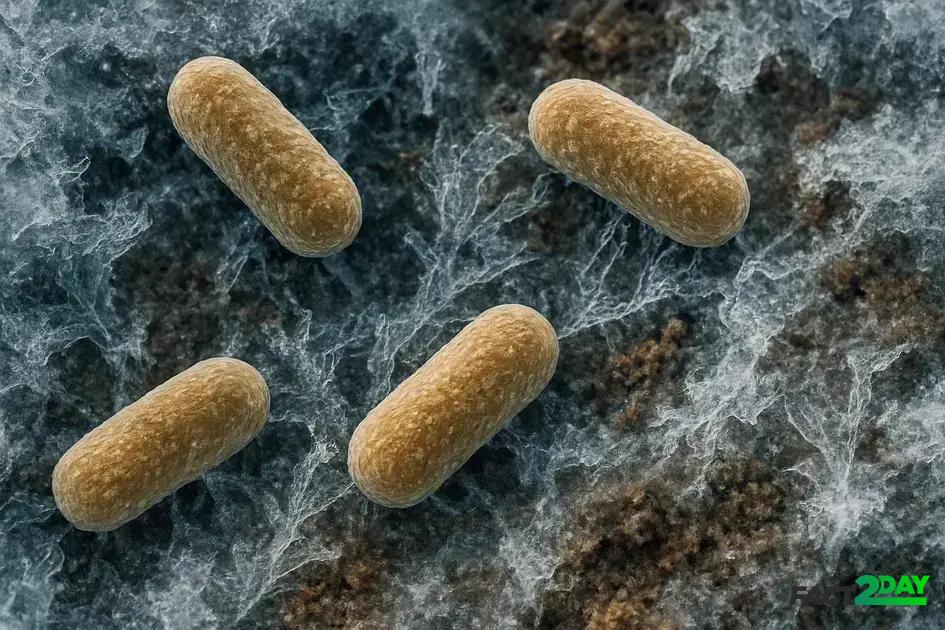
Permafrost bacteria revival refers to ancient microbes trapped in Siberian frozen soil that can become active after thousands of years, providing insights into microbial survival, climate change impacts, and potential ecological risks.
Have you ever wondered how life manages to persist in the coldest corners of our planet? The story of permafrost bacteria revival invites us to discover ancient microbes waking up after being frozen deep in Siberian soil for thousands of years. What secrets do they hold about survival, and what could they mean for us today?
Understanding permafrost and its role in preserving life
Permafrost is ground that remains frozen for at least two consecutive years, primarily found in polar regions like Siberia. This frozen soil plays a crucial role in preserving life by acting as a natural freezer, trapping organic matter, microbes, and ancient bacteria beneath its icy layers. The low temperatures and stable conditions slow down decomposition, allowing these microorganisms to remain viable for thousands of years.
How permafrost forms and sustains microbes
Over time, layers of soil, ice, and organic material accumulate and freeze, creating permafrost. Within this frozen matrix, bacteria and other microorganisms enter a state of dormancy, effectively pausing their biological processes. This freeze-thaw cycle protects them from damage and genetic decay, making permafrost a unique reservoir of ancient life.
Ecological importance of permafrost
Permafrost supports ecosystems by regulating soil temperature and moisture, which influences plant growth and animal habitats. It also stores large amounts of carbon locked in frozen organic matter, which can be released if the permafrost melts, impacting global climate. Thus, understanding permafrost’s role is essential for climate science and ecology.
The study of permafrost reveals a window into past climates and life forms, helping scientists learn how life adapts to extreme conditions. Its ability to preserve microbial life is key to exploring questions about survival and evolution in frozen environments.
The science behind bacteria revival from frozen soils
The revival of bacteria from frozen soils is a fascinating area of study in microbiology that reveals how some microorganisms can survive extreme cold for millennia. Scientists study ancient bacteria trapped in permafrost to understand the mechanisms behind their ability to remain dormant and then become active again when conditions improve.
Cellular mechanisms enabling survival
Bacteria survive freezing by entering a state called cryptobiosis, where metabolic processes nearly stop, protecting their cellular structures. They produce special proteins and sugars that prevent ice crystals from damaging their cells. These adaptations allow bacteria to endure harsh temperatures and lack of liquid water.
Laboratory techniques to awaken ancient microbes
Researchers carefully melt permafrost samples under controlled conditions, then incubate them in nutrient-rich environments to stimulate bacterial growth. DNA sequencing and microscopy help identify species and assess their activity. These studies show that even bacteria frozen for thousands of years retain the ability to reproduce.
Understanding the science of bacteria revival not only provides insights into microbial resilience but also raises questions about potential impacts on modern ecosystems when these ancient microbes re-emerge.
How ancient bacteria survive extreme cold for thousands of years
Ancient bacteria have developed remarkable strategies to survive the extreme cold of permafrost for thousands of years. One key survival tactic is entering a state known as cryptobiosis, where metabolic activities slow down dramatically, enabling the bacteria to endure freezing temperatures for extended periods.
Protective cellular structures and compounds
These bacteria produce special proteins, antifreeze molecules, and sugars that help protect their cell membranes and DNA from ice damage. This adaptation minimizes cellular injury caused by ice crystals forming during freezing and thawing cycles.
DNA repair and resistance mechanisms
Even when damaged by cold or radiation over time, ancient bacteria can repair their DNA once they thaw and reactivate. Their strong repair systems boost their resilience, allowing them to survive harsh environments where most life would perish.
Through these biological mechanisms, ancient bacteria are able to persist in frozen soils and potentially revive when conditions become favorable, providing insights into life’s durability in extreme habitats.
Potential impacts of revived bacteria on modern ecosystems
When ancient bacteria from permafrost are revived, they can have significant effects on modern ecosystems. These microbes might interact with current soil communities and affect nutrient cycles, potentially altering the balance of local environments. Revived bacteria could either support ecosystems by breaking down organic materials or introduce new elements that disrupt existing life.
Influence on soil health and plant growth
Some ancient bacteria might enhance soil fertility by decomposing organic matter and releasing nutrients vital for plant growth. However, unexpected interactions could also affect native microbes, leading to shifts in microbial populations and impacting vegetation patterns.
Risks of pathogenic bacteria
There is concern that some revived bacteria could be pathogens, posing risks to animals and humans. Although many ancient microbes may be harmless, scientists carefully study these organisms to assess possible threats before widespread environmental exposure.
Understanding these impacts helps researchers develop strategies to monitor and manage revived bacteria in ecosystems, ensuring that their presence does not harm biodiversity or public health.
Methods used by scientists to study permafrost bacteria
Scientists use a variety of methods to study permafrost bacteria safely and effectively. One key technique involves collecting soil samples from frozen layers using sterile tools to avoid contamination. These samples are then transported to laboratories under cold conditions to preserve the microbes.
Laboratory cultivation and analysis
In the lab, permafrost samples are slowly thawed, and bacteria are cultured on nutrient-rich media to encourage growth. Molecular techniques like DNA sequencing help identify the species and understand their genetic makeup. These tools reveal the diversity and longevity of bacteria trapped in ice.
Microscopy and imaging
Advanced microscopes provide detailed views of bacterial cells, showing their structure and activity. Techniques such as fluorescence microscopy allow scientists to observe live bacteria and how they respond to thawing.
Carbon dating and environmental analysis
To determine the age of permafrost layers, scientists use carbon dating methods. Combined with environmental data, this helps reconstruct past climates and understand how bacteria survived through change.
Overall, these methods give researchers a window into ancient microbial life and its connection to Earth’s history.
Risks and ethical considerations of bacteria revival
The revival of ancient bacteria from permafrost poses significant risks and ethical questions that researchers must carefully consider. One major risk is the potential release of unknown pathogens that could affect humans, animals, or plants. These bacteria have been frozen for thousands of years and may have traits unfamiliar to modern immune systems.
Health and ecological concerns
Resurrected bacteria might trigger new diseases or disrupt existing ecosystems. Their impact on current microbial communities and wildlife is unpredictable, raising concerns about biodiversity and environmental balance.
Ethical debates on scientific responsibility
Scientists face ethical dilemmas regarding the study and potential use of ancient microbes. There are questions about whether it is responsible to disturb these bacteria without fully understanding the consequences, and how to balance scientific knowledge with public safety.
Strict regulations and monitoring are essential to ensure that research proceeds safely. This includes containment protocols and thorough risk assessments to minimize harm while advancing our understanding of ancient life.
What the future holds for research on Siberian permafrost bacteria
Research on Siberian permafrost bacteria is rapidly evolving, offering exciting possibilities for science and medicine. Advances in technology allow scientists to explore the genetic makeup of these ancient microbes more thoroughly, unlocking secrets about their resilience and adaptation.
New scientific frontiers
Future research aims to better understand how these bacteria survive extreme conditions and how they might be used in biotechnology, such as developing new antibiotics or enzymes for industrial use. Studying their unique traits could inspire innovations in medicine and environmental science.
Climate change and permafrost thaw
As global temperatures rise, permafrost thaw could release more ancient bacteria into ecosystems. Scientists are focusing on monitoring these changes to predict environmental impacts and prepare for potential risks.
Interdisciplinary collaborations
Research is becoming more interdisciplinary, combining microbiology, climate science, and ecology to address complex questions about the role of these bacteria in Earth’s past, present, and future. Cooperation across fields will enhance our ability to respond to changes in permafrost regions.
Ongoing studies promise a deeper understanding of microbial life in frozen soils and its broader implications for our planet.
Understanding the Significance of Permafrost Bacteria Revival
The study of ancient bacteria waking up from frozen Siberian soil reveals the incredible resilience of life in extreme conditions. These microbes offer valuable insights into biology, ecology, and climate science.
While the revival of permafrost bacteria presents exciting opportunities for discovery, it also raises important questions about safety and ethics. Careful research and monitoring are essential to balance scientific progress with environmental and public health concerns.
As the world changes and permafrost thaws, continuing research will play a key role in understanding these ancient organisms and their impact on our planet.