The Last Breath: The Fascinating Stories of the Last Individuals of Extinct Human Species and Cultures
Os últimos de uma espécie revelam histórias profundas de resistência e memória, conectando-nos a mundos e culturas que desapareceram.
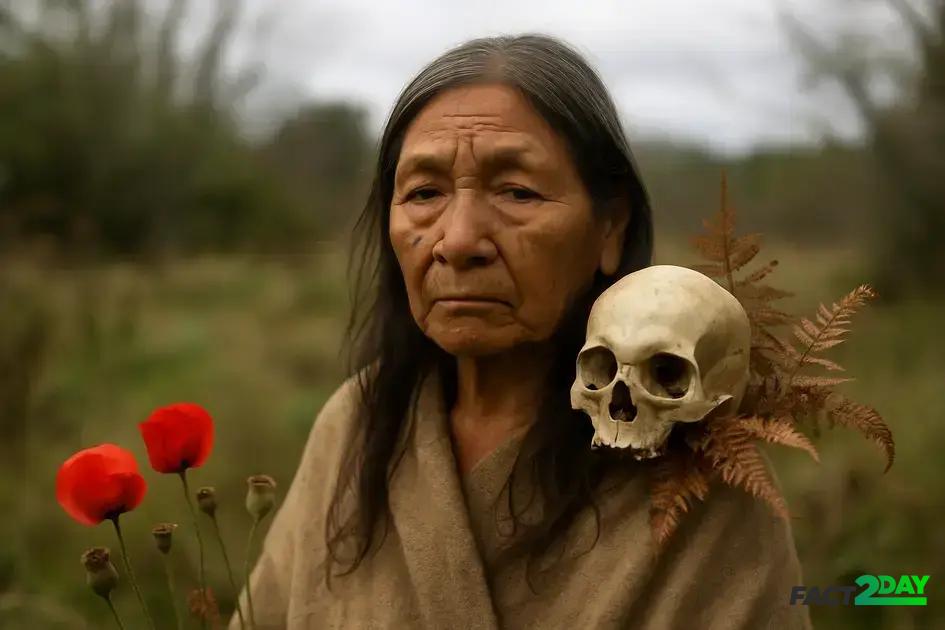
The last of a species are the final individuals representing their species or cultures, whose stories reveal crucial lessons about extinction, memory preservation, and the urgent need for conservation to protect biodiversity and cultural heritage.
The last of a species carry a silence that echoes through history. Have you ever felt the intensity of a final breath, that instant when a life and a culture come to an end? Let’s explore together how these moments reveal the fragility and beauty of our world.
Living the last moments: Who were the last individuals?
Throughout history, certain individuals have become symbolic as the last of their kind. These people often face the profound reality of witnessing the end of a species or culture they represent. For instance, the story of Tsunenori Kabuto, the last Ainu elder, reminds us how unique languages and traditions may vanish with their final bearer.
Such individuals are often studied not only for their personal stories but also for the cultural and biological legacies they carry. Their experiences offer rare insight into lost worlds, challenging us to reflect on the fragility of human diversity. Understanding who these last individuals are highlights the urgency to preserve endangered cultures and species before they disappear entirely.
Characteristics of the Last Individuals
These last survivors often embody the entire heritage of their people or species. They might be the sole speakers of a language or the last carriers of traditional knowledge. The emotional and psychological weight of being last can be significant, as they witness isolation and loss firsthand.
Moreover, their stories emphasize the importance of documentation and support. Efforts to record memories, traditions, and biological data are crucial to keeping their legacies alive beyond their lifetime.
the value of memories and records in cultural preservation
The preservation of culture often depends deeply on memories and detailed records, especially when dealing with the last representatives of a species or community. Oral histories, photographs, and written documents capture invaluable knowledge that can otherwise be lost forever. These artifacts provide a bridge between past and future generations, allowing us to understand traditions, beliefs, and ways of life that no longer exist in their original form.
Importance of Memory in Cultural Preservation
Memories held by individuals can reveal intricate details about their customs and environments. When official records are scarce, first-person experiences become essential for historians, anthropologists, and conservationists. Such personal accounts add emotion and context, fostering empathy and awareness about cultural diversity.
The Role of Documentation
Systematic documentation involves audio recordings, films, photographs, and written testimonies that ensure the survival of languages, rituals, and knowledge. Museums, archives, and online platforms play a crucial role in storing and sharing this material. Technology also helps by digitizing records, making preservation more accessible and durable.
Ultimately, valuing memories and records cultivates respect for cultural heritage and inspires efforts to protect endangered communities and species worldwide.
lessons that the last of a species teach us about conservation
The stories of the last individuals of a species offer powerful lessons about conservation and the impact of human actions on biodiversity. These cases highlight how fragile ecosystems can be and how quickly unique life forms can vanish without intervention. Learning from these examples guides efforts to protect endangered species and habitats before it is too late.
The Importance of Early Action
One key lesson is the value of acting early. Waiting until a species is down to its last few members often means that recovery is extremely difficult or impossible. Conservation efforts work best when implemented before populations reach critical lows, preserving both genetic diversity and ecological balance.
Human Responsibility and Awareness
The fate of the last individuals often reflects human influences such as habitat destruction, pollution, and climate change. Recognizing our role encourages policies and behaviors that reduce harm and support sustainable coexistence with nature. Education and awareness raise public support for conservation programs and funding.
These stories remind us that preserving life on Earth requires ongoing commitment, respect, and proactive care.
Understanding the lessons from the last of a species
The stories of the last individuals teach us valuable lessons about the delicate balance of life on Earth. They show how important it is to act early to protect endangered species and habitats.
Human choices deeply affect the survival of other living beings. By raising awareness and supporting conservation efforts, we can work together to preserve biodiversity for future generations.
Remember, protecting nature is not just about saving species but also about maintaining the health of our planet and the well-being of all life.