Orchids That Trick Insects into Pollinating
Discover the fascinating world of orchid deceptive pollination, where flowers ingeniously trick insects to spread their pollen.
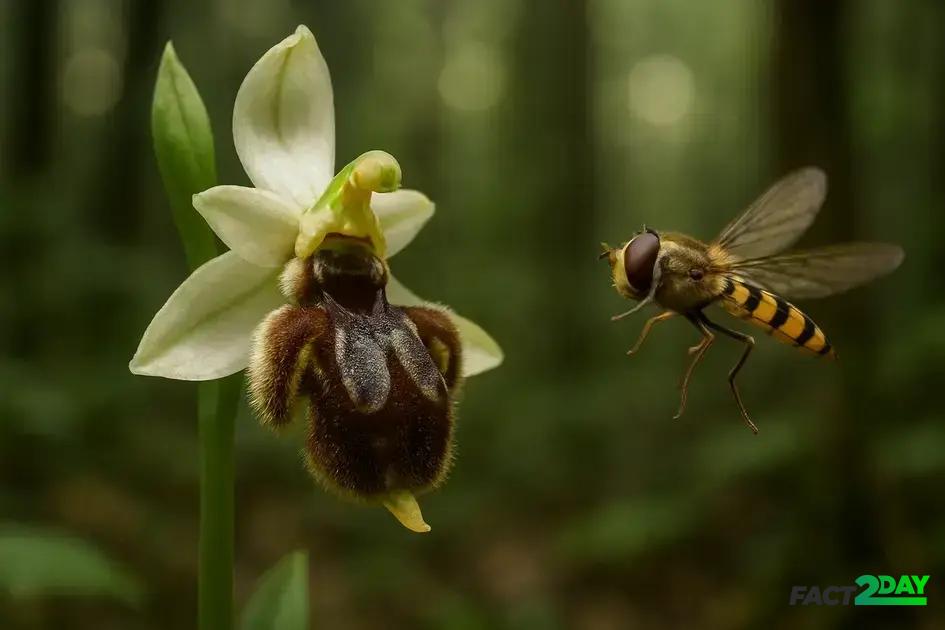
Orchid deceptive pollination is a natural strategy where orchids trick insects by mimicking female insects, food sources, or brood sites to ensure pollen transfer without offering rewards like nectar.
Have you ever wondered how some orchids manage to get pollinated without offering nectar? Orchid deceptive pollination is a clever natural trick where these flowers fool insects into carrying their pollen, weaving a delicate game of survival and attraction.
how orchids use deception to attract pollinators
Orchids have developed unique deception tactics to attract pollinators without offering a reward. Instead of nectar, they rely on tricking insects by mimicking the appearance, scent, or behavior of female insects, other flowers, or even decaying matter. This strategy lures pollinators who are searching for mates or food.
Mimicry of Female Insects
Many orchids imitate female insects through their shape and color, enticing male insects to attempt mating, known as pseudocopulation. During this process, pollen attaches to the insect, which then unknowingly transfers it to other orchids, facilitating pollination.
Scent Deception
Some orchids emit chemical signals that mimic insect pheromones or food sources, enhancing the illusion. These scents trigger specific behaviors in pollinators, increasing the chance that they will interact with the flower.
Visual Tricks
Orchids use striking colors and patterns resembling other plants or insects to attract pollinators. Some even imitate the texture of surfaces that insects favor, making them irresistible despite the lack of nectar.
These deceptive strategies show how orchids cleverly exploit pollinator instincts to reproduce, a fascinating adaptation in plant evolution.
types of deceptive strategies orchids employ
Orchids use several deceptive strategies to attract pollinators without offering any reward. One common tactic is sexual deception, where orchids mimic the appearance and scent of female insects, tricking males into attempting to mate with the flower, a process called pseudocopulation.
Food Deception
Some orchids imitate the look and smell of food sources like nectar-rich flowers or fungi. These food-deceptive orchids lure insects hoping for a meal, but the reward is absent, so the insect leaves pollen behind as it moves on.
Brood Site Deception
Another strategy is brood site deception, where orchids simulate the appearance or odor of places where insects lay eggs, such as rotting material. This entices insects to visit the flower in search of a site, inadvertently collecting pollen.
General Mimicry
Some orchids use a blend of visual, olfactory, and tactile mimics to resemble other plants or insects closely. These multisensory tricks increase the chances of fooling pollinators, ensuring pollen transfer without investment in nectar production.
Through these varied strategies, orchids have evolved clever ways to maximize pollination efficiency while conserving their resources.
the role of insects in orchid pollination
Insects play a crucial role in the pollination of orchids. These tiny creatures act as pollinators by carrying pollen from one flower to another, enabling orchids to reproduce. Unlike many flowers that provide nectar, some orchids use deception to convince insects to visit them without offering a reward.
Pollination Process
When an insect visits an orchid in search of food or mates, it often comes into contact with the flower’s pollen sacs. The pollen attaches to the insect’s body, especially on parts like the head or legs. As the insect moves to a new orchid, the pollen is transferred, resulting in fertilization.
Types of Insect Pollinators
Bees, wasps, butterflies, and moths are among the main insect pollinators for orchids. Each orchid species often targets specific types of insects to optimize the chances of successful pollination. The orchid’s shape, color, and scent are adapted to attract its ideal pollinator.
Mutual Benefits and Deceptive Interactions
While many orchids provide nectar or pollen as a food reward, deceptive orchids rely on tricking insects, which can waste their time and energy. Despite this, insects continue to visit these flowers, driven by instincts or confusion, ensuring the orchids’ survival.
Understanding the role of insects sheds light on the complex and delicate relationships in nature that drive the life cycle of orchids.
examples of orchids that use mimicry
Several orchid species are famous for their mimicry abilities, which help them attract pollinators through clever tricks. One well-known example is the Ophrys apifera, or bee orchid, which mimics the appearance and scent of female bees. This lures male bees to attempt mating, facilitating pollination without providing nectar.
Cymbidium Orchids
Cymbidium orchids often mimic the colors and shapes of other rewarding flowers in their environment. Their close resemblance tricks insects into visiting them, hoping for nectar.
Hammer Orchids
The Drakaea species, or hammer orchids, mimic female wasps in both smell and appearance. Male wasps are attracted and try to mate with the flower, which swings like a hammer, helping transfer pollen.
Ghost Orchids
The rare Dendrophylax lindenii, known as ghost orchid, uses its white, ethereal shape to mimic certain pollinators’ resting sites, enticing moths to come close and facilitate pollen movement.
These examples highlight the fascinating adaptations orchids have evolved to ensure successful pollination through mimicry and deception.
ecological importance of deceptive pollination
Deceptive pollination in orchids plays a vital role in maintaining biodiversity and ecosystem health. By attracting specific pollinators through trickery, orchids ensure their reproduction without investing energy in nectar production, which can be scarce in certain environments.
Contribution to Pollinator Diversity
These orchids support diverse insect populations by engaging them in complex behaviors. This interaction helps sustain insect species that rely on floral signals, even when no direct food source is present.
Balancing Plant Communities
Orchid deception helps balance competition among plants by reducing nectar production costs. This strategy allows orchids to coexist with other flowering plants, promoting diverse plant communities.
Evolutionary Impact
Deceptive pollination drives coevolution between orchids and their pollinators. Pollinators may develop strategies to avoid being fooled, leading orchids to refine their mimicry, creating a dynamic evolutionary arms race.
Understanding the ecological importance of deceptive pollination reveals its role in shaping natural landscapes and sustaining species interactions.
challenges orchids face in pollination success
Orchids face several challenges in achieving successful pollination despite their clever deceptive tactics. One major issue is the dependence on specific pollinator species, which may fluctuate in population or behavior, affecting pollination rates.
Pollinator Scarcity
When the insect population declines due to environmental changes or habitat loss, orchids struggle to reproduce since their pollinators become scarce or absent.
Rejected Deception
Pollinators can learn over time to avoid deceptive orchids, reducing the flower’s chances of attracting insects. This means orchids must continuously evolve to refine their mimicry and keep fooling pollinators.
Environmental Factors
Weather conditions, such as heavy rains or strong winds, can hinder insect activity, lowering pollination success. Additionally, climate change may alter the timing of flowering and pollinator availability, causing mismatches.
Competition for Pollinators
Orchids compete with other flowering plants that offer true rewards like nectar. This competition forces orchids to optimize their deception to remain attractive compared to rewarding flowers.
These challenges highlight the delicate balance orchids must maintain to survive and reproduce through deceptive pollination.
how observing orchids can deepen your nature connection
Observing orchids can significantly deepen your connection with nature. These unique flowers showcase incredible adaptations like deceptive pollination, which reveal the complex relationships in ecosystems. Spending time watching orchids can increase awareness of biodiversity and ecological balance.
Appreciating Biodiversity
Watching different orchid species and their pollinators helps you notice the variety of life forms interacting closely. It highlights the delicate balance that supports ecosystems and the importance of each species.
Enhancing Mindfulness
The detailed shapes, colors, and behaviors of orchids can encourage mindfulness by drawing your attention to small natural wonders. This focused observation promotes relaxation and a deeper appreciation for the environment.
Learning Ecological Interactions
Observing how orchids trick insects and how both adapt over time teaches valuable lessons about coevolution and survival strategies in nature. This understanding fosters respect for wildlife and conservation efforts.
Engaging with orchids is a meaningful way to connect with the natural world and nurture a sense of stewardship for the environment.
Understanding the Fascinating World of Orchid Deceptive Pollination
Orchids have evolved incredible ways to trick insects into pollinating them, showing nature’s creativity and complexity. These clever strategies help orchids survive and thrive without offering rewards to their pollinators.
By learning about these interactions, we gain a deeper appreciation for the delicate balance in ecosystems and the important roles both plants and insects play. Observing orchids can also bring us closer to nature, encouraging mindfulness and respect for biodiversity.
Exploring deceptive pollination reminds us how much there is to discover in the natural world and the importance of protecting these fascinating relationships for future generations.