The One-Man Empire: The Incredible Games Created by Just One Developer
One-Man Dev Games reveal stunning creativity and dedication, crafting entire worlds solo. Discover their amazing journeys and unique successes.
Exoplanets are planets orbiting stars beyond our solar system, discovered through methods like detecting light dimming during transits, revealing countless diverse worlds that expand our understanding of the galaxy.
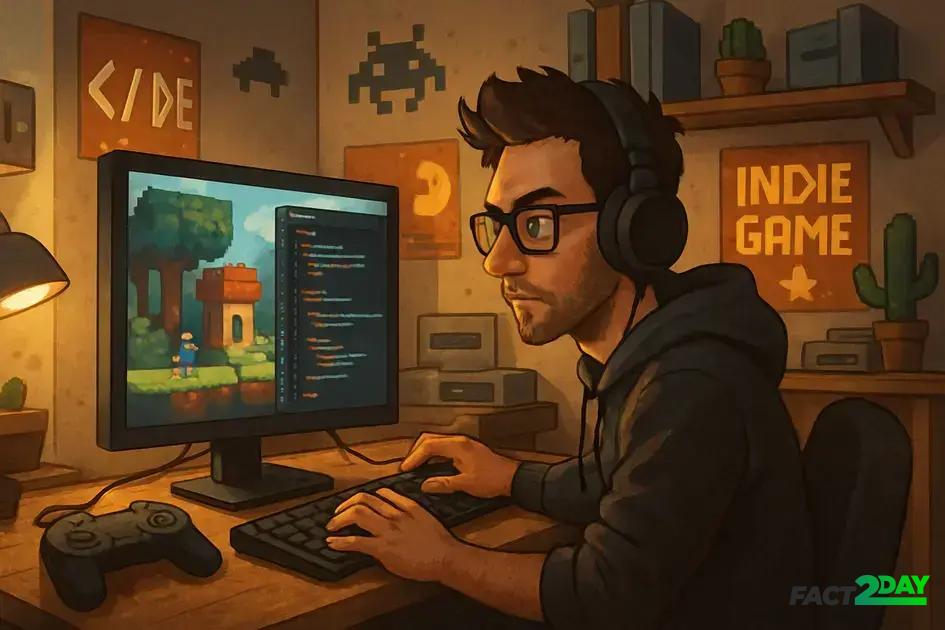
Have you ever wondered how a single person can create an entire game by themselves? One-Man Dev Games showcase incredible talent and passion, proving that amazing worlds can come from just one developer. Let’s explore their fascinating journeys and secrets.
What defines a one-man dev game
A one-man dev game is a video game created primarily by a single developer who handles most or all aspects of its development. This includes programming, design, artwork, sound, and sometimes marketing. Unlike large game studios with specialized teams, one-man developers juggle multiple roles, showcasing a versatile skill set.
Such games often reflect deeply personal visions, as the solo creator has full creative control without external constraints. These projects can range from simple indie games to complex titles with rich narratives and engaging mechanics.
Key Characteristics of One-Man Dev Games
- Multi-disciplinary roles: The developer codes, designs, and creates assets themselves.
- Limited resources: Typically created with small budgets and tight schedules.
- Personal touch: The game often carries a unique style or story shaped by one vision.
- Independent distribution: Released on indie platforms or digital stores without major publisher involvement.
Despite challenges, one-man dev games can achieve remarkable success, connecting with players through originality and passion. This definition highlights the dedication and broad expertise necessary to build a complete game from start to finish.
The challenges faced by solo developers
Solo developers face many challenges when creating a game alone. One major hurdle is managing every aspect, from coding and design to marketing and support. This broad workload can lead to stress and burnout.
Time management is critical, as solo devs must balance creative work with technical tasks and business duties. They often lack the specialized skills a team provides, which means learning new tools and techniques quickly to fill gaps in knowledge.
Common challenges for solo developers
- Limited resources: Budget constraints make it hard to afford professional tools or hire help.
- Skill diversity: Developers must juggle programming, art, sound, writing, and more.
- Isolation: Working alone can reduce motivation and make problem solving harder.
- Time constraints: Solo creators often work outside normal hours to meet deadlines or release goals.
- Marketing difficulties: Getting the game noticed without a dedicated marketing team is tough.
Despite these obstacles, many solo developers push through with passion and creativity, producing unique games that stand out. Understanding these challenges helps aspiring one-man devs prepare and find ways to overcome them.
How solo devs manage design, coding, and art
Managing design, coding, and art alone is a demanding task for solo developers. They must balance creative and technical skills to bring their game ideas to life effectively.
Design
Solo devs often start with planning the game’s mechanics, story, and user experience. They use simple tools like sketches or digital wireframes to organize ideas before moving into production. Keeping the design clear and manageable helps avoid becoming overwhelmed.
Coding
Coding is the backbone of any game. Solo developers choose programming languages and engines that fit their skills and project scope. Popular tools include Unity, Unreal Engine, and Godot. Writing clean, reusable code is essential to make development faster and debugging easier.
Art
Creating artwork can be time-consuming, so many solo devs use pixel art, 2D sprites, or simple 3D models to maintain a consistent style while staying efficient. They might rely on free resources or learn basic graphic design software to produce assets.
Balancing these disciplines requires strong time management and adaptability. Prioritizing core gameplay and gradually improving art and design helps maintain steady progress. Using templates and asset libraries can also ease the workload, letting developers focus on unique game features.
Success stories of famous one-man dev games
Many one-man dev games have achieved remarkable success, proving that a single developer can make a huge impact in the gaming world. These stories inspire aspiring solo developers by showing what’s possible with dedication and skill.
Notable Success Stories
- Stardew Valley: Created by Eric Barone over several years, this farming simulation game became a massive hit for its deep gameplay and charming art. It sold millions of copies and built a strong fan community.
- Undertale: Developed by Toby Fox, Undertale gained fame for its unique narrative and innovative mechanics. It was praised for its music and storytelling, becoming a cult classic.
- Celeste: Although later developed with a small team, initial work was done solo by Maddy Thorson. The game is known for challenging platforming and touching story themes.
- Dust: An Elysian Tail: Created almost entirely by Dean Dodrill, this action RPG impressed players with its fluid animation and rich world, all done without a big studio backing.
These games highlight the power of passion, perseverance, and creativity. They demonstrate how one person can craft worlds and stories that resonate globally, inspiring countless others to start their own projects.
Tools and technologies empowering solo game creation
Solo game developers rely heavily on tools and technologies that make it possible to create games independently. These tools help manage complex tasks like coding, design, animation, and sound, often in user-friendly ways.
Game Engines
Popular game engines such as Unity, Unreal Engine, and Godot provide powerful platforms to develop games with extensive features. They come with pre-built systems for physics, graphics rendering, and scripting, which save time and effort.
Art and Animation Tools
Tools like Aseprite for pixel art, Blender for 3D modeling, and Spine or DragonBones for 2D animation allow solo developers to create visual assets without needing large teams.
Sound and Music
Software such as Audacity, FL Studio, and Bfxr help create and edit sound effects and music, adding atmosphere and immersion to games.
Project Management and Collaboration
Even solo devs use platforms like GitHub for version control and Trello or Notion to organize tasks, ensuring steady progress and better workflow management.
Leveraging these technologies allows one-man developers to handle the full scope of game creation efficiently and effectively, making dream projects a reality.
Balancing creativity and technical skills alone
Balancing creativity and technical skills is essential for solo game developers. They must switch between imaginative tasks like story writing and art creation, and logical tasks such as coding and debugging.
Creative Skills
Creativity drives unique game ideas, character designs, and compelling worlds. Solo devs use brainstorming, sketching, and prototyping to develop fresh concepts. Nurturing creativity helps maintain passion and keeps the project engaging.
Technical Skills
Technical skills include programming, troubleshooting, and using game engines effectively. Mastery of these skills ensures the game runs smoothly, bugs are fixed, and features function as intended.
Maintaining balance requires strong time management and setting realistic goals. Many solo developers divide their work into blocks, dedicating specific time to creative work, then shifting focus to technical challenges.
Using tools and tutorials can improve both creative and technical abilities, helping solo developers grow holistically and produce polished, original games.
Community and support networks for solo developers
Community and support networks play a crucial role for solo developers. Working alone can feel isolating, but connecting with others provides motivation, feedback, and valuable knowledge.
Online forums and groups
Platforms like Reddit, Discord, and specialized game development forums offer spaces where solo devs share progress, ask questions, and exchange advice. These communities help tackle problems faster and inspire creativity.
Developer events and game jams
Participating in events such as game jams encourages collaboration, skill-building, and networking. These short, intensive contests push solo devs to complete projects quickly while meeting like-minded creatives.
Tutorials and mentorship
Many experienced developers offer tutorials, livestreams, and mentorship programs to help solo devs level up their skills. Access to this support can accelerate learning and reduce common frustration.
Engaging with communities not only provides technical help but also emotional support, making the challenging journey of solo game development more manageable and enjoyable.
Monetization strategies for one-man devs
Monetization is a key aspect for one-man devs to sustain their projects and livelihood. Various strategies can help solo developers generate income while maintaining creative control.
Direct sales
One of the most straightforward ways is selling the game directly on platforms like Steam, itch.io, or GOG. Setting a fair price and offering regular updates helps build trust and encourage purchases.
Freemium and in-app purchases
Offering the base game for free with optional in-app purchases lets players try before they buy. This strategy can increase the player base and generate revenue through cosmetic items, expansions, or special features.
Crowdfunding
Platforms such as Kickstarter or Indiegogo allow solo devs to raise funds before the game’s release. Engaging campaigns that highlight unique game aspects often attract backers who want to support indie creativity.
Patreon and subscriptions
Some developers build ongoing revenue through Patreon, offering supporters exclusive updates, early access, or behind-the-scenes content in exchange for monthly subscriptions.
Ad revenue and sponsorships
For certain game types, embedding ads or securing sponsorships can bring income. However, it’s important to balance monetization with player experience to avoid negative feedback.
Choosing the right monetization strategy depends on the game genre, target audience, and long-term goals. Combining methods can also diversify income and improve financial stability for one-man developers.
Learning resources for aspiring solo developers
Aspiring solo developers benefit greatly from accessible learning resources that cover coding, design, and game development principles. These tools help reduce the learning curve and accelerate progress.
Online tutorials and courses
Websites like Udemy, Coursera, and YouTube offer comprehensive lessons on programming languages, game engines, and art techniques. Many courses are tailored for beginners and indie devs.
Documentation and official guides
Reading official documentation for game engines such as Unity or Godot provides in-depth knowledge and practical examples. These guides help devs troubleshoot and improve their skills.
Books and ebooks
Books on game design and development cover broad topics, from storytelling to coding best practices. Titles from experienced developers give valuable insights and strategies.
Community forums and Q&A sites
Sites like Stack Overflow and game dev forums allow developers to ask questions, share knowledge, and solve problems collaboratively.
Practice projects and game jams
Engaging in small projects or game jams lets aspiring devs apply what they learn in real scenarios, improving skills and building portfolios.
Combining these resources creates a well-rounded learning path, empowering solo developers to bring their game ideas to life effectively.
The future of one-man dev games in the industry
The future of one-man dev games looks promising as technology and tools continue to evolve, making game development more accessible than ever. More individuals can bring their unique visions to life without the need for large teams.
Advancements in technology
Improved game engines, AI-assisted development tools, and affordable software enable solo developers to create high-quality games faster and with less effort. This lowers the barrier to entry and sparks innovation.
Growing indie game market
The indie game market is expanding, fueled by platforms like Steam, itch.io, and console digital stores that support smaller creators. Players increasingly seek original and personal gaming experiences.
Community support and collaboration
Stronger online communities and collaboration tools help solo devs learn, share resources, and network. This collective knowledge accelerates development and promotes creativity.
Challenges and opportunities
Despite new opportunities, solo developers still face challenges like funding and marketing. However, new monetization models and social media platforms offer better ways to reach audiences.
One-man dev games will likely continue growing in influence, bringing fresh ideas and diverse voices to the gaming industry for years to come.
Looking Ahead for One-Man Dev Games
One-man dev games continue to prove that passion and skill can create amazing experiences without large teams. With evolving technology and strong community support, solo developers have more opportunities than ever.
Though challenges remain, new tools and platforms make it easier to bring unique ideas to life and reach gamers worldwide. The future promises even more innovation and creative freedom for one-man devs.
Whether you’re an aspiring solo developer or a curious player, the world of one-man dev games offers inspiring stories and bold inventions that enrich the gaming industry.