The Oldest Living Thing on Earth Isn’t What You Think
Discover the secrets of the oldest living organism on Earth and explore its surprising nature and endurance through time.
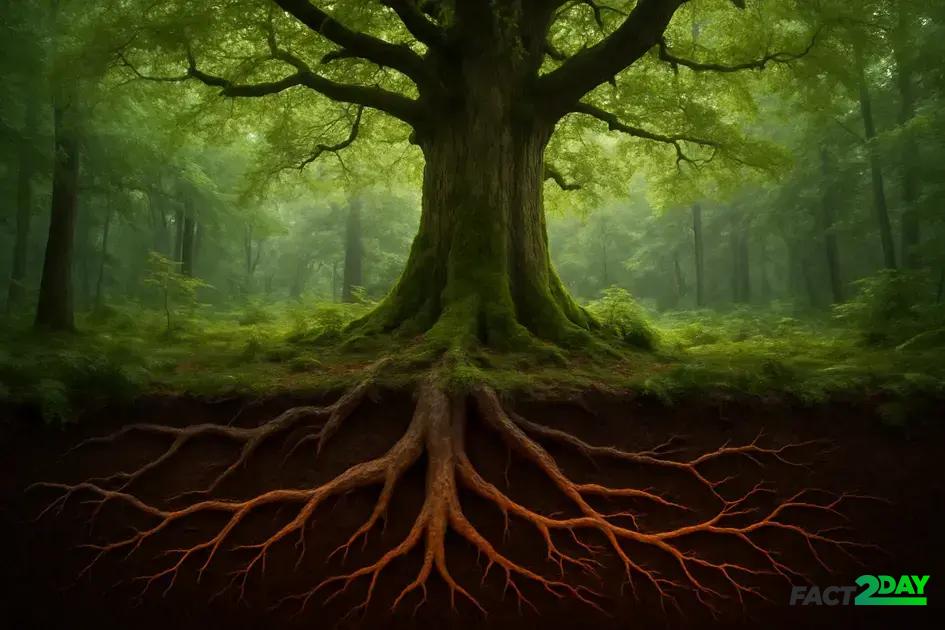
The oldest living organism is often a clonal colony that survives through continuous asexual reproduction, with examples like the 80,000-year-old Pando aspen and 5,000-year-old bristlecone pines demonstrating extreme longevity through resilience and genetic stability.
Oldest living organism might evoke images of huge, ancient trees or timeless creatures. Yet, some of Earth’s oldest life forms are subtle, resilient, and easy to overlook. Have you ever wondered how life endures beyond what we imagine?
what defines the oldest living organism
The term oldest living organism refers to life forms that have survived for extraordinarily long periods, often surpassing thousands or even millions of years. This includes not only individual organisms but also clonal colonies, which reproduce asexually and can persist for millennia. Defining the oldest organism depends on criteria such as continuous life span, genetic identity, and mode of reproduction.
For instance, some organisms like the bristlecone pine trees represent the longest-lived individual specimens, with ages exceeding 5,000 years. Meanwhile, clonal colonies such as the Posidonia oceanica seagrass or the Pando aspen colony span tens of thousands of years due to their asexual reproduction, maintaining the same genetic lineage over time.
Key Factors in Definition
Continuous growth without interruption and genetic stability are crucial to classify an organism as the oldest living. Some microbes have been revived from ancient spores, but since they do not maintain continuous life, they are not considered as the oldest living organisms.
Scientific Approaches
Scientists use methods like dendrochronology (tree ring dating), carbon dating, and genetic analysis to verify the age and lineage of these organisms. Understanding what defines the oldest living organism helps reveal insights into life’s resilience and adaptation over time.
how ancient organisms survive harsh conditions
Many ancient organisms have developed amazing survival strategies to endure harsh and changing environments. They adapt through physical traits, biochemical processes, and reproductive methods that allow them to survive droughts, extreme temperatures, and nutrient scarcity.
Physical Adaptations
Some organisms develop tough, protective coverings such as thick bark or shells, which shield them from harsh weather and predators. For example, the bristlecone pine’s dense wood resists decay, allowing it to live for thousands of years.
Biochemical Mechanisms
Ancient microbes and plants often produce special proteins and antioxidants that protect their cells from damage caused by UV radiation, freezing, or dehydration. These molecules help repair cellular damage and maintain vital functions during stress.
Reproductive Strategies
Many long-lived species reproduce asexually or clone themselves, which helps maintain their genetic identity across centuries. Some plants spread through root systems or runners, creating large clonal colonies that adapt collectively to survive over millennia.
Dormancy is another key survival method where organisms reduce their metabolic rate to a minimum, waiting out unfavorable conditions until they improve.
examples of impressive long-living species
Several species are known for their incredible longevity, surviving for thousands of years under the right conditions. Among the most famous are the bristlecone pine trees, which can live over 5,000 years in harsh mountain environments. These trees grow slowly but steadily, helping them endure extreme cold and drought.
Another remarkable example is the Pando aspen colony, a clonal organism in Utah that spreads through interconnected roots. The colony is estimated to be around 80,000 years old, although individual aspen trees live only about 100-150 years. Clonal longevity allows genetically identical organisms to persist through time.
In marine environments, the Greenland shark stands out for its long life span, with some individuals believed to be more than 400 years old. These sharks grow slowly and mature late, which contributes to their longevity.
Other impressive long-living species include the sea sponge, capable of living thousands of years on ocean floors, and certain types of bacteria and archaea that survive in extreme conditions for eons.
the role of clonal colonies in aging
Clonal colonies are groups of genetically identical organisms that grow from a single ancestor through asexual reproduction. These colonies can span large areas and live for thousands of years, making them some of the oldest living entities on Earth. Instead of relying on individual lifespan, clonal colonies survive by continually producing new genetically identical parts.
How Clonal Colonies Defy Aging
Unlike individual organisms, clonal colonies do not age in a traditional sense. While individual stems or trunks may die, the colony as a whole continues to thrive through new growth. This process allows clonal colonies to effectively bypass biological aging that affects single organisms.
Examples of Clonal Colonies
The Pando aspen colony is a famous example, estimated to be about 80,000 years old. It spreads via root sprouts that create new trees connected under the ground. Similarly, some seagrass meadows and fungi colonies maintain their genetic identity for millennia through clonal growth.
Understanding clonal colonies helps scientists explore alternative forms of longevity and survival, revealing how life can endure in unique ways beyond individual aging.
secrets behind the resilience of old organisms
The resilience of old organisms comes from a combination of physical, chemical, and biological mechanisms that protect them from damage. Many long-living species have developed strong defenses against environmental stress, diseases, and predators. These adaptations help them survive and thrive over centuries or even millennia.
Robust Physical Structures
Thick bark, tough shells, or rigid cell walls provide a physical shield against external threats. For example, the bristlecone pine has dense wood that resists rot and decay, while some ancient marine sponges have hard exteriors to withstand harsh ocean currents.
Efficient Repair Systems
Old organisms often possess effective cellular repair mechanisms. They can fix DNA damage, replace damaged cells, and produce antioxidants to neutralize harmful molecules. This helps maintain their function even after years of exposure to stress.
Adaptable Reproductive Strategies
Many resilient organisms reproduce through cloning or slow growth, which helps maintain genetic stability. Some reduce metabolic activity during tough periods, entering a state of dormancy, which conserves energy and protects vital functions until favorable conditions return.
Understanding these secrets gives insight into how longevity and survival can be enhanced, inspiring research in biology and medicine.
how scientists track organism age
Scientists use various methods to determine the age of organisms, depending on the species and available evidence. These techniques combine biology, chemistry, and physics to reveal the lifespan and history of living things.
Dendrochronology (Tree Ring Dating)
This method counts the annual growth rings in trees to establish their age. Each ring typically represents one year of growth, allowing scientists to date trees accurately and study past climates.
Carbon Dating
Radiocarbon dating measures the decay of carbon-14 in organic materials. This technique is especially useful for dating ancient plants, animals, and fossils up to about 50,000 years old.
Genetic Analysis
By examining DNA, scientists can estimate the age of clonal colonies or track mutations over time. This helps determine how long a genetically identical population has persisted.
Other Techniques
Additional methods include analyzing growth patterns in shells, bones, or coral layers. Scientists may also study environmental markers and chemical signatures to estimate ages.
Combining these techniques provides a clearer picture of how long organisms have lived, shedding light on their survival and evolution.
impact of environment on organism longevity
The environment plays a crucial role in determining the longevity of organisms. Factors such as climate, availability of resources, and exposure to predators or diseases greatly influence how long an organism can live.
Climate Effects
Stable climates with moderate temperatures often support longer lifespans by reducing stress on organisms. Harsh environments with extreme cold or heat can shorten life or force adaptations.
Resource Availability
Access to water, nutrients, and shelter directly affects survival. Organisms in nutrient-rich environments tend to grow healthily and live longer, while scarcity can limit lifespan.
Predators and Disease
High predation risk and disease presence can decrease longevity. Organisms develop defenses like camouflage or immune responses to improve chances, but persistent threats often impact population age.
Human Impact
Human activities, such as pollution and habitat destruction, can negatively affect organism longevity. Conversely, conservation efforts help protect habitats, promoting longer lifespans.
Understanding the environment’s influence on longevity helps scientists develop strategies to protect endangered species and maintain biodiversity.
lessons from the oldest living organisms
The oldest living organisms teach us valuable lessons about resilience, adaptability, and survival. By studying these ancient life forms, scientists and researchers gain insights into how life can persist through changing environments and challenges.
Resilience through Adaptation
These organisms demonstrate that adapting to their environment is key to longevity. Whether through slow growth, tough protective features, or efficient repair systems, they adjust to survive harsh conditions.
Importance of Genetic Stability
Many ancient species rely on maintaining a stable genetic makeup. Clonal colonies, like the Pando aspens, show how genetic consistency over thousands of years can promote survival without the need for rapid evolution.
Simplicity and Efficiency
Some of the oldest organisms, like certain microbes and plants, thrive due to their simple yet efficient biological processes. Their ability to operate with minimal energy and resources helps them endure long periods of hardship.
These lessons not only deepen our understanding of life’s durability but also inspire new approaches in medicine, ecology, and conservation to protect biodiversity and ecosystems.
Understanding the Oldest Living Organisms
The study of the oldest living organisms reveals awe-inspiring stories of survival and adaptability over thousands of years. Their resilience teaches us about the power of nature to endure harsh conditions and maintain life through unique strategies.
By learning from these ancient species, scientists can apply this knowledge to protect ecosystems, conserve biodiversity, and even improve human health. The secrets held by these organisms inspire us to appreciate the complexity and strength of life on Earth.
Ultimately, the oldest living things remind us that longevity comes from adaptation, stability, and balance with the environment — lessons valuable to all forms of life.