Beyond the Veil: Lesser-Known Secret Societies That Quietly Shaped History
Explore the hidden world of obscure secret societies and their subtle influence across history, quietly shaping our world without the spotlight.
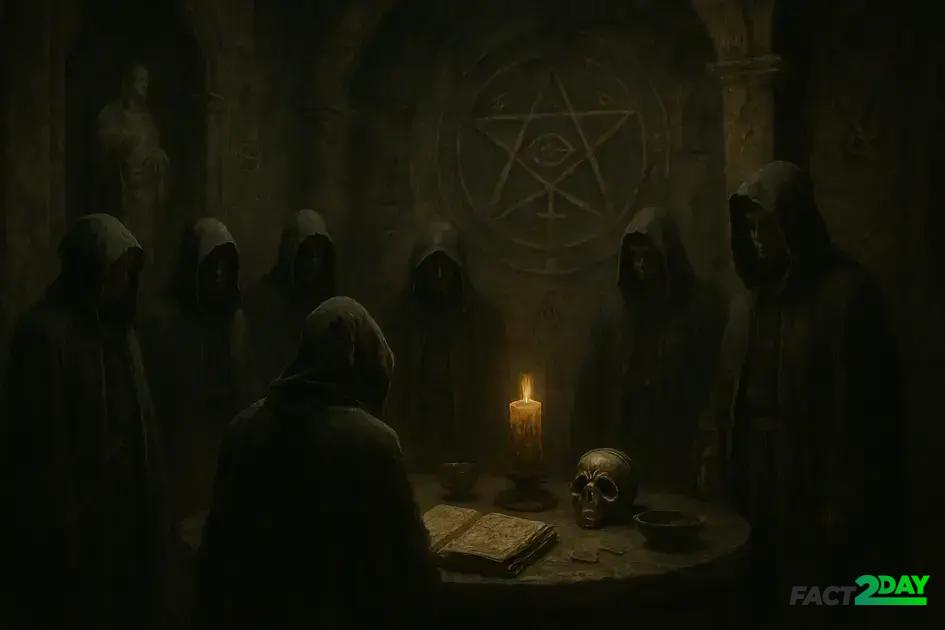
Obscure secret societies are hidden groups that have influenced history through secret symbols, rituals, and covert actions shaping social, political, and cultural developments without widespread public knowledge.
Have you ever wondered about the influence of Obscure Secret Societies that operated quietly in the shadows of history? These groups, barely whispered about, have left intriguing marks on our world that invite a closer look.
Origins and purposes of lesser-known secret societies
Many obscure secret societies trace their origins to periods of social upheaval or political unrest, where groups formed to protect specific knowledge or influence events quietly. These societies often arose with a clear purpose: to preserve traditions, protect members, or guide political change without attracting public attention.
Unlike well-known groups, lesser-known societies tended to focus on local or specific causes rather than global ambitions. Some aimed to safeguard cultural or religious rituals, while others secretly promoted new philosophies or scientific ideas that challenged mainstream thinking.
Common purposes of these societies
- Protection of knowledge: Many groups preserved forbidden or hidden teachings to keep them safe from censorship or persecution.
- Social and political influence: Quietly affecting power structures by placing members in strategic roles.
- Community building: Offering members a sense of belonging and mutual support in uncertain times.
- Philosophical exploration: Investigating metaphysical ideas or alternative worldviews outside mainstream thought.
Understanding the roots and goals of these secretive groups offers insight into how hidden forces have shaped societies beyond the public eye, often leaving subtle but lasting legacies in history.
Notable obscure societies and their historical impact
Throughout history, several notable obscure secret societies have played pivotal roles, often operating behind the scenes to influence events and cultural shifts. While their presence isn’t always widely recognized, their impact has been significant in various regions and eras.
The Carbonari
The Carbonari were a secret society active in early 19th century Italy. Their goal was to promote constitutional government and oppose absolute monarchy. They played a key role in the Italian unification movement, inspiring nationalist sentiments across the country.
The Hellfire Club
Originating in 18th century England, the Hellfire Club was infamous for its secret gatherings of elite figures engaging in controversial rituals. Though shrouded in mystery and rumor, this society influenced the social and political elite through its exclusive network.
The Thule Society
Based in Germany, the Thule Society was a secretive group with interests in occultism and nationalist politics. It is historically notable for its connections to early Nazi ideology, showing how secret societies can impact political trajectories.
Other lesser-known groups
Many societies, like the Society of the Cincinnati or the Hermetic Order of the Golden Dawn, contributed to cultural, philosophical, and political movements without mainstream acknowledgment.
These examples show that while some societies remain in the shadows, their influence on history can be profound, shaping revolutions, ideologies, and cultural transformations.
Symbols and rituals: decoding secret messages
Secret societies often rely on symbols and rituals to communicate, unite members, and protect their knowledge from outsiders. These symbols carry meanings that are hidden from the public but understood within the group, making them essential tools to maintain secrecy.
Common types of symbols
- Emblems and badges: Often worn or displayed to signal membership and allegiance.
- Encrypted signs: Using coded images like geometric shapes, animals, or plants to convey messages.
- Hand gestures: Unique signs or greetings used to identify insiders discreetly.
- Architectural elements: Hidden symbols carved into buildings or meeting places reflecting the society’s beliefs.
Role of rituals
Rituals are ceremonies that strengthen the bonds between members and mark important transitions, such as initiation. They often involve symbolic acts, secret language, and specific protocols to reinforce trust and loyalty within the group.
These rituals can include oaths, secret handshakes, and shared stories or chants that preserve the society’s history and values. Understanding these practices offers insight into how these groups build strong, lasting connections while shielding their intentions.
Decoding these symbols and rituals is challenging but reveals how secret societies cleverly embed their messages in culture, art, and daily life, influencing those unaware of their deeper meanings.
The role of secrecy in shaping social and political movements
Secrecy has always played a critical role in shaping social and political movements, especially for underground groups and secret societies. Maintaining confidentiality allowed these groups to organize without fear of immediate repression or interference from authorities.
Protection from persecution
Many secret societies operated during times when expressing certain political ideas or social views was dangerous. Secrecy safeguarded members, helping them avoid imprisonment or worse while working toward change.
Building trust and solidarity
Secrecy fostered a deep sense of trust among members. By sharing concealed information, members formed strong bonds, making the group more resilient and effective in pursuing shared goals.
Strategic influence
Hidden meetings and codes allowed societies to coordinate efforts tactically, influencing social norms and policies subtly. This quiet influence could steer political decisions without public backlash.
Throughout history, movements influenced by secretive tactics often managed to survive hostile environments, pushing ideas forward until they became part of mainstream dialogue or policy.
Influence on art, culture, and philosophy through hidden networks
Many obscure secret societies have significantly influenced art, culture, and philosophy by operating through hidden networks. These groups often promoted ideas and artistic styles that challenged mainstream norms, creating lasting impressions on history.
Impact on art
Secret societies frequently inspired unique symbols and motifs that appeared in paintings, sculptures, and architecture. These elements carried hidden meanings understood only by initiates, enriching the cultural tapestry.
Cultural diffusion
Through their networks, these societies spread philosophical ideas and cultural practices quietly across regions, affecting literature, music, and social customs beyond their immediate circle.
Philosophical contributions
Many groups explored alternative philosophies and spiritual beliefs, encouraging critical thinking and new worldviews. Their teachings influenced broader intellectual movements while remaining hidden from the public eye.
By weaving their messages into creative and intellectual pursuits, these secret societies shaped cultural heritage in subtle yet powerful ways.
Modern-day relevance of obscure secret societies and myths
Even today, obscure secret societies and their myths continue to fascinate people around the world. While many of these groups have faded or evolved, their stories and symbols still influence culture, media, and sometimes politics.
Continuing traditions
Some secret societies survive by adapting to modern times, preserving traditions while using contemporary tools for communication and organization.
Popular culture and media
Books, movies, and conspiracy theories often draw inspiration from these mysterious groups. This keeps their legends alive and sparks public curiosity about hidden histories.
Impact on modern organizations
Elements like secret rituals or exclusive membership persist in some clubs, fraternities, or social groups, echoing the structure of historic secret societies.
The enduring allure of secrecy and mystery ensures these societies remain part of our collective imagination, influencing how we view power, knowledge, and trust in the modern world.
Understanding the hidden impact of obscure secret societies
Obscure secret societies have quietly shaped history in many powerful ways. Their hidden symbols, rituals, and influence on social, political, and cultural movements reveal a world beneath the surface of recorded history.
From their origins to their modern-day myths, these groups continue to inspire curiosity and reflection on the power of secrecy and hidden networks.
By exploring these lesser-known societies, we gain a deeper appreciation for the unseen forces that have helped shape our world.