Your Genes, Your Diet: How Nutrigenomics is Crafting Ultra-Personalized Eating Plans
Explore Nutrigenomics Personalized Diets to unlock how your genetic makeup shapes the most effective eating plans for your health.
Imagine a courtroom where the defendant isn’t a person but an animal. This odd idea was actually normal in medieval Europe, where animals were put on trial.
From pigs accused of murder to beetles blamed for ruining crops, animals had legal proceedings just like humans. They even had lawyers, witnesses, and the right to appeal. This strange practice shows how people long ago saw animals as moral beings who could do wrong and deserved justice.
Though it may seem strange now, these animal trials tell us a lot about how medieval society mixed law and religion, and how they understood fairness and responsibility. It makes us think about how the idea of who can be held accountable has changed over time, and how our sense of justice applies in surprising ways.
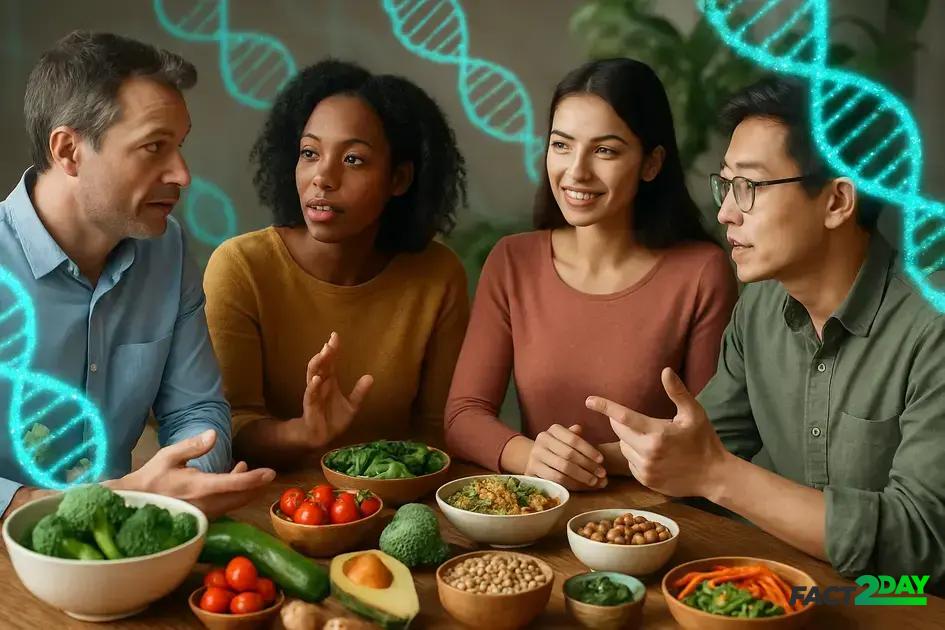
Consider for a moment how Nutrigenomics Personalized Diets are transforming the way we think about eating. What if your genes could guide you to the ideal foods for your unique body? This emerging science invites us to rethink nutrition not as one-size-fits-all, but as an intimate dialogue with our DNA.
Understanding nutrigenomics and its role in personalized diets
Nutrigenomics is the study of how our genes interact with the food we eat. It explores how different genetic variations can influence our body’s response to nutrients, which means the same diet might have very different effects on different people. This science helps us understand why some people might benefit from eating more of certain vitamins or have sensitivities to particular foods.
The role of nutrigenomics in personalized diets
By analyzing your DNA, nutrigenomics allows dietitians and healthcare professionals to create personalized eating plans tailored to your unique genetic profile. This approach aims to optimize your health, manage chronic diseases, and even support weight management. It goes beyond generic food recommendations and focuses on what truly works best for your body.
For example, certain gene variants affect how your body metabolizes fats or carbohydrates. Nutrigenomics can identify these variants so you can adjust your intake accordingly. This can improve digestion, energy levels, and overall well-being. As this field grows, it offers exciting opportunities for more precise nutrition advice that fits your lifestyle and genetic makeup.
How genetics influence your body’s response to food
Genetics play a key role in shaping how your body processes and reacts to different foods. Variations in your DNA can affect nutrient absorption, metabolism, and even taste preferences. This means that two people eating the same meal might experience very different effects.
Gene variations impact digestion and metabolism
Some genes influence enzymes important for breaking down fats, proteins, and carbohydrates. For example, a gene variant might slow fat metabolism, causing greater fat storage or intolerance to high-fat meals. Others can affect insulin response or how effectively your body uses vitamins and minerals.
Genetics and food sensitivities
Your genes can also make you more prone to food sensitivities or intolerances, such as lactose intolerance caused by variations in the LCT gene. Understanding these connections helps identify foods that might cause discomfort or inflammation, allowing you to avoid or limit them.
Personalized diets based on your genetics can help optimize digestion and nutritional benefits. By knowing your unique genetic responses, you can select foods that your body handles best, leading to better energy, improved gut health, and overall wellness.
The science behind gene-diet interactions
Gene-diet interactions occur when genetic variations influence how your body responds to different nutrients. This complex relationship is the core of nutrigenomics. Scientists study how specific genes affect metabolism, nutrient absorption, and overall health, showing that food impacts people differently based on their DNA.
How genes affect nutrient processing
Genes can regulate enzymes and proteins responsible for breaking down carbohydrates, fats, and proteins. Variations in these genes might mean some people process sugars quickly, while others store excess sugars as fat. Similarly, certain gene types can impact how vitamins are absorbed or how antioxidants work in the body.
Epigenetics and diet
Beyond direct gene functions, diet can influence gene expression through epigenetics – changes that turn genes on or off without altering DNA. This means the foods you eat can affect how your genes behave, potentially impacting your health long-term.
Understanding these interactions allows for designing diet plans that align with individual genetic profiles, maximizing benefits and reducing risks related to nutrition-linked diseases.
Benefits of tailored nutrition based on DNA
Tailored nutrition based on DNA offers several benefits that can improve health and wellbeing. By understanding your unique genetic makeup, you receive more precise diet recommendations that support your body’s specific needs.
Improved nutrient absorption and metabolism
Personalized diets help optimize how your body absorbs and uses vitamins, minerals, and macronutrients. This maximizes energy levels and promotes better digestion.
Effective weight management
Genetically tailored eating plans can identify how your body processes fats and carbohydrates, helping you select foods that support healthy weight loss or maintenance.
Reduced risk of chronic diseases
Many genetic markers relate to diseases like diabetes, heart disease, and inflammation. Custom nutrition can lower these risks by recommending foods that support your genetic tendencies.
Better food tolerance and fewer sensitivities
DNA-based diets may reveal potential intolerances or sensitivities, allowing you to avoid foods that cause discomfort or allergic reactions.
Overall, tailored nutrition based on DNA empowers you to make smarter food choices that suit your genetic profile, leading to sustainable health benefits and a personalized approach to eating.
Common genes linked to dietary preferences and metabolism
Several genes are known to influence dietary preferences and metabolism, impacting how individuals respond to different types of foods. These genes can affect taste perception, nutrient processing, and energy use.
Genes affecting taste and food preferences
For example, the TAS2R38 gene influences sensitivity to bitter tastes. Those with certain variants may avoid bitter vegetables, while others might prefer them. Variations in the FTO gene are linked to preferences for high-fat or high-sugar foods.
Genes influencing metabolism
The APOE gene plays a role in fat metabolism and cardiovascular risk, affecting how the body handles dietary fats. The MTHFR gene impacts folate metabolism, which is crucial for DNA repair and cell function.
Understanding these genes helps create personalized diets that align with individual preferences and metabolic needs, improving overall nutrition and health outcomes.
How nutrigenomics can help manage chronic diseases
Nutrigenomics plays an important role in managing chronic diseases by tailoring diets based on genetic information. This personalized approach can help control conditions like diabetes, heart disease, and obesity through smarter food choices.
Diabetes management through gene-based nutrition
Certain genes affect how your body processes sugar and insulin. By understanding these genetic factors, you can adjust carbohydrate intake to better regulate blood sugar levels and reduce diabetes risks or complications.
Heart disease and personalized diets
Genetic variations in lipid metabolism influence cholesterol levels. Nutrigenomics helps identify foods that support heart health, such as those low in saturated fats and rich in omega-3 fatty acids, matching your genetic profile.
Addressing inflammation and obesity
Chronic inflammation is linked to many diseases. Some genetic markers indicate higher inflammation risks, allowing diets rich in anti-inflammatory foods like fruits, vegetables, and whole grains to be prioritized. Tailored nutrition can also support weight loss by aligning with your metabolism.
By combining genetic insights with nutrition, nutrigenomics offers a proactive way to improve chronic disease outcomes and enhance quality of life through personalized diet plans.
Challenges and limitations of personalized diets
While personalized diets based on nutrigenomics offer promising benefits, there are important challenges and limitations to consider. These factors affect how practical and reliable personalized nutrition recommendations can be at this stage.
Complexity of genetic influence
Gene-diet interactions are highly complex and not fully understood. Many traits involve multiple genes and environmental factors, making it difficult to pinpoint exact dietary needs from genetics alone.
Variability in testing accuracy
Genetic tests vary in quality, scope, and interpretation methods. Inaccurate or incomplete data can lead to misleading diet advice, which emphasizes the importance of professional guidance rather than self-diagnosis.
Ethical and privacy concerns
Handling genetic information raises privacy and ethical questions. Ensuring secure data storage and informed consent is essential to protect individual rights.
Cost and accessibility
Personalized diet planning often requires expensive genetic testing and expert counseling, which may not be affordable or accessible to everyone.
Despite these challenges, continued research and technological improvements are gradually addressing these issues, moving personalized nutrition closer to mainstream use.
Tools and tests to analyze your genetic nutrition profile
There are various tools and tests available that can analyze your genetic nutrition profile, helping to create personalized diet plans based on your DNA. These tests typically examine specific genes related to metabolism, nutrient absorption, and food sensitivities.
Types of genetic nutrition tests
Common tests include saliva or blood analysis that look for variations in genes associated with how your body processes fats, carbohydrates, vitamins, and minerals. Some tests also assess predisposition to food intolerances like lactose or gluten sensitivity.
Popular testing services
Companies like 23andMe, Nutrigenomix, and DNAfit offer direct-to-consumer testing kits. These services provide reports with actionable recommendations for diet adjustments tailored to your genetic makeup.
Interpreting test results
Professional guidance is important to accurately understand and apply the findings. Registered dietitians or genetic counselors can help translate complex genetic data into practical nutrition advice.
Using these tools can empower you to make informed food choices that better suit your body’s unique needs, enhancing overall health and wellness.
The role of microbiome in personalized nutrition
The gut microbiome, made up of trillions of bacteria and other microorganisms, plays a crucial role in personalized nutrition. It affects how your body digests food, absorbs nutrients, and responds to different diets.
Microbiome diversity and health
A diverse microbiome is linked to better digestion, immune function, and even mental health. Diets tailored to support your unique microbiome can improve overall wellness.
Influence on nutrient absorption
Some gut bacteria help break down complex carbohydrates and synthesize vitamins. Your microbiome’s composition can influence which foods are best for you and how well you absorb nutrients.
Microbiome and diet interaction
Feeding your microbiome with prebiotics and probiotics can shape its makeup and function. Personalized diets consider these factors to enhance gut health and optimize nutrient benefits.
Understanding your microbiome allows nutrition plans to go beyond genetics, creating a comprehensive personalized approach that supports your body’s unique ecosystem.
Integrating lifestyle factors with genetic data
Integrating lifestyle factors with genetic data is vital for creating effective personalized diets. Genes provide valuable insights, but factors like exercise, sleep, stress, and environment also play major roles in your overall health.
Considering physical activity
Your genetic profile can indicate how your body responds to different types of exercise and energy use. Combining this data with workout habits helps tailor diets that support your activity level and recovery.
Impact of sleep and stress
Poor sleep and high stress affect metabolism and hormone balance. Understanding these lifestyle factors alongside genetics allows for diet plans that help improve sleep quality and manage stress-induced eating patterns.
Environmental influences
Where you live and your exposure to pollutants or allergens can interact with your genetic traits, affecting nutrient needs and sensitivities.
A comprehensive approach that merges genetic information with lifestyle details offers more accurate, practical nutrition guidance, empowering you to make choices that truly fit your unique life.
Case studies of nutrigenomics in weight management
Several case studies demonstrate how nutrigenomics can play a powerful role in weight management by tailoring diets according to individual genetic profiles. These examples show improved results compared to generic diet plans.
Personalized diet leads to sustainable weight loss
One study involved participants receiving diet recommendations based on their genes affecting fat and carbohydrate metabolism. Those following the personalized plan lost more weight and maintained it longer than those on standard diets.
Improved metabolic health through gene-based nutrition
Genetic insights helped identify participants with a tendency for insulin resistance. Adjusting carbohydrate intake accordingly led to better blood sugar control and reduced fat accumulation.
Behavioral change and motivation
Knowing their genetic makeup motivated some individuals to adhere more strictly to their diet plans. This awareness increased commitment and supported healthier lifestyle choices beyond diet.
These case studies highlight the potential of nutrigenomics to make weight management more effective and personalized, improving long-term health outcomes.
Ethical considerations in genetic diet profiling
Ethical considerations are crucial in genetic diet profiling due to the sensitive nature of genetic information. Privacy, consent, and data security must be prioritized to protect individuals from potential misuse.
Privacy and data protection
Genetic data reveals deeply personal information. Ensuring strict confidentiality and secure storage is vital to prevent unauthorized access or discrimination based on genetic traits.
Informed consent
Individuals must fully understand how their genetic information will be used before undergoing testing. Transparent communication about benefits, risks, and limitations is essential.
Potential for discrimination
Misuse of genetic data by employers or insurers could lead to unfair treatment. Safeguards and laws are needed to prevent genetic discrimination.
Equity and accessibility
Access to genetic diet profiling should be equitable. Addressing cost and availability disparities ensures all populations can benefit from personalized nutrition advances.
Balancing innovation with ethical responsibility helps foster trust and maximizes the positive impact of nutrigenomics.
Future trends in nutrigenomics and diet personalization
Future trends in nutrigenomics and diet personalization focus on increasing accuracy, accessibility, and integration with technology. Advances in genetic sequencing and big data will enhance the ability to tailor diets to individual needs more precisely.
Integration with wearable technology
Wearables will combine genetic data with real-time health metrics like heart rate, sleep, and activity levels to provide dynamic, personalized nutrition advice.
Artificial intelligence and machine learning
AI algorithms will analyze vast amounts of genetic and lifestyle data, offering more precise and adaptive dietary recommendations that evolve over time.
Microbiome inclusion
Future personalized diets will also incorporate gut microbiome analysis, giving a more complete picture of how food affects each individual.
Greater accessibility and affordability
As technology matures, genetic testing and personalized nutrition services will become more affordable and widespread, reaching a broader audience.
These trends promise a future where nutrition is highly customized, improving health outcomes by aligning diets closely with unique genetic and lifestyle factors.
Practical tips for starting a gene-based diet plan
Starting a gene-based diet plan requires a thoughtful approach to make the most of your personalized nutrition journey. Here are practical tips to help you begin.
Get a reliable genetic test
Choose a reputable company that offers comprehensive nutrigenomic analysis. Accurate genetic data is the foundation of an effective diet plan.
Consult a professional
Work with a registered dietitian or genetic counselor experienced in nutrigenomics to interpret your results and design a personalized plan that fits your lifestyle.
Start with small changes
Introduce genetic-based recommendations gradually to avoid overwhelm and increase adherence. Focus on key foods or supplements first.
Monitor your progress
Keep a food and health journal to track how your body responds. Adjust the plan as needed with professional support.
Maintain a balanced lifestyle
Incorporate exercise, stress management, and good sleep alongside your diet for optimal results.
By following these tips, you can create a sustainable and effective gene-based diet that promotes your unique health needs.
The future of personalized nutrition is promising
Nutrigenomics offers an exciting way to tailor your diet to your unique genetic makeup. By understanding how your genes affect your response to food, you can make smarter choices that support your health and well-being.
While challenges remain, advances in technology and research are making gene-based diets more accessible and effective. Combining genetic insights with lifestyle factors leads to more personalized, sustainable nutrition plans.
Starting with trusted testing and professional guidance will help you unlock the full benefits of nutrigenomics. Embracing this personalized approach can lead to better health, more energy, and a deeper understanding of your body’s needs.