From Dumb Dolls to Artificial Geniuses: The Bizarre Evolution of NPCs in Games
Explore NPC Evolution from simple game characters to complex artificial geniuses shaping immersive gaming experiences today.
Reflecting on the Curious History of Animal Trials
The practice of putting animals on trial highlights the complex ways humans have tried to understand justice and morality throughout history. These unusual legal proceedings show how animals were once seen as moral beings, subject to laws similar to humans.
Though strange to us today, animal trials reveal much about the evolving relationship between humans, law, and the natural world. They serve as a reminder of how our ideas about responsibility and personhood have changed-and continue to change-over time.
By studying these bizarre chapters in legal history, we gain insight into the cultural and spiritual beliefs that shaped early societies and how those beliefs influence our modern views on justice and ethics.
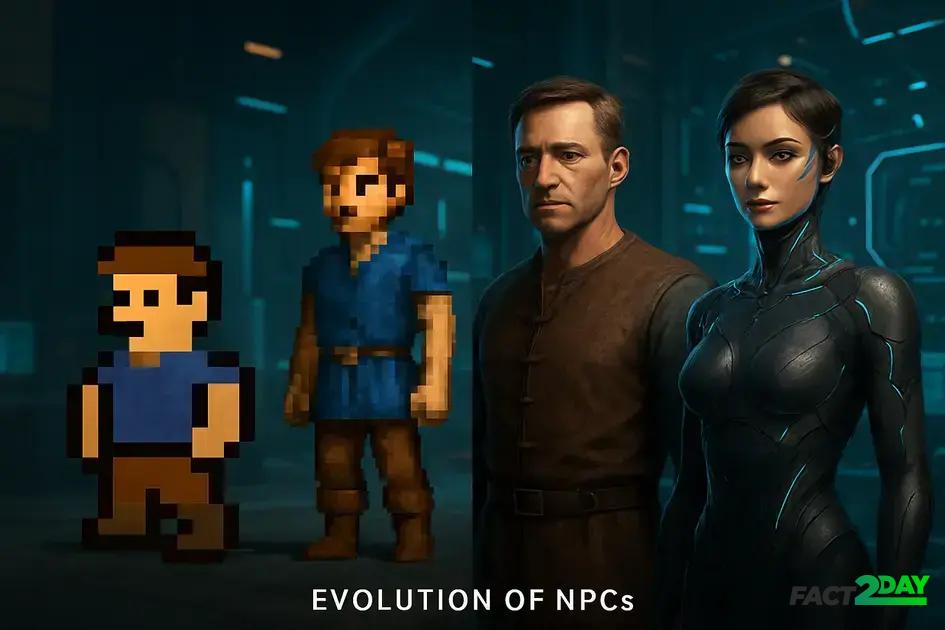
NPC Evolution fascinates gamers and developers alike, illustrating how characters once seen as mere background elements have grown into complex, intelligent entities that enrich our gaming worlds. What drives this curious transformation? Let’s explore together.
The origins of NPCs: simple companions in early games
In the earliest days of video games, NPCs (non-player characters) were incredibly basic, often serving as simple companions or obstacles within the game world. These simple companions had limited functionality, mostly acting as static figures or programmed characters with predictable patterns. Games like Pong and Pac-Man featured NPCs that moved in fixed routes or responded to player actions in very basic ways.
These primitive NPCs were designed primarily to add challenge or context, but they lacked any real personality or adaptability. The technology of the time limited developers to scripted movements and repetitive behaviors. Despite this, these early NPCs laid the groundwork for more dynamic and interactive characters in the future.
Early NPCs also helped introduce players to the idea of a shared virtual space where not every character was controlled directly by the player. They provided immersion by populating game worlds and enriching the environment, even if their actions were predictable.
Key characteristics of early NPCs
- Scripted, repetitive behaviors
- Minimal interaction possibilities
- Limited to simple roles such as enemies or allies
- Acted as spatial fillers enhancing game immersion
Understanding the humble beginnings of NPCs is essential to appreciate how far they have come, evolving from basic moving dots to complex characters with artificial intelligence.
How NPCs influenced gameplay mechanics over time
NPCs have played a crucial role in shaping gameplay mechanics throughout the history of video games. Initially, NPCs served as simple obstacles or helpers, but over time, they became integral to creating engaging and dynamic game experiences. Their presence introduced new layers of strategy, challenge, and immersion.
Early NPCs influenced gameplay by acting as static targets or predictable enemies, which required players to develop timing and pattern recognition skills. As technology advanced, NPCs began to exhibit more complex behaviors, such as adaptive AI that could respond to player actions, forcing gamers to think more strategically.
Dialogue and quest systems involving NPCs expanded gameplay by offering players choices that affected story outcomes and character development. These NPC-driven mechanics gave players a sense of agency, making the virtual world feel alive and responsive.
Examples of NPC-driven gameplay mechanics
- Enemy AI that changes tactics based on player behavior
- Companion NPCs that assist in combat or puzzles
- Interactive NPCs providing side quests and world-building
- Dynamic NPC reactions influencing player reputation and game endings
By continuously evolving, NPCs have enhanced replayability and depth, making games more immersive and rewarding for players of all skill levels.
The technological breakthroughs that transformed NPC behavior
Several technological breakthroughs have dramatically transformed NPC behavior, making gaming experiences more immersive and dynamic. Early NPCs relied on simple scripts, but advances in computing power and AI algorithms have allowed developers to create NPCs capable of learning, adapting, and interacting with players in more realistic ways.
One major breakthrough was the introduction of pathfinding algorithms like A*, which enabled NPCs to navigate complex environments intelligently rather than following fixed routes. This gave NPCs freedom to explore and react to changing game worlds.
Another game-changer was the development of behavior trees and finite state machines, which allowed NPCs to switch between different actions and states based on in-game triggers and player behavior. These systems introduced dynamic decision-making, leading to more unpredictable and engaging NPC interactions.
Artificial intelligence and machine learning
More recently, machine learning techniques have been used to further enhance NPC behavior. NPCs can now learn from player actions, adapting their strategies in real-time to provide tailored challenges. This creates a sense of intelligence that goes beyond pre-scripted responses.
The integration of natural language processing (NLP) also revolutionized dialogue systems, enabling NPCs to understand and respond to player inputs more naturally, enriching storytelling and player immersion.
These technological advances collectively shifted NPCs from simple programmed characters to complex artificial beings that significantly enhance gameplay depth and player engagement.
From scripted to dynamic: the shift in NPC AI
The shift from scripted to dynamic NPC AI marked a major turning point in gaming. Early NPCs followed fixed, pre-planned scripts, making their actions predictable. Today, NPCs operate with dynamic AI, allowing them to react and adapt to the player’s choices in real time, creating unique gameplay experiences every time.
Scripted AI typically executed set sequences, which limited interaction depth and led to repetitive gameplay. With advancements like decision trees and behavior trees, NPCs gained the ability to evaluate different conditions and select actions based on context.
How dynamic AI changes gameplay
- NPCs adapt strategies during combat based on player tactics
- Characters respond emotionally or logically to unfolding events
- Environment-aware NPCs that modify their behavior depending on surroundings
- Unscripted interactions create emergent gameplay and surprises
Dynamic AI enables games to feel more alive by introducing variability and realism. Players encounter NPCs that can learn, retreat, cooperate, or even betray, depending on how the game unfolds. This shift enhances immersion and greatly extends replay value.
The role of machine learning in developing smarter NPCs
Machine learning has become a pivotal technology in the evolution of NPCs, enabling them to become smarter and more adaptive. Unlike traditional AI that relied on predefined rules, machine learning allows NPCs to learn from experience and improve their performance over time. This leads to NPCs that can anticipate player actions, adjust strategies, and offer more challenging and unpredictable interactions.
With machine learning, NPCs can analyze patterns in player behavior and adapt accordingly. For example, in combat scenarios, NPCs might learn which attacks are most effective or recognize when to evade. This ability transforms NPCs from scripted opponents into dynamic adversaries that evolve with the player.
Applications of machine learning in NPC development
- Reinforcement learning for tactical decision-making
- Behavior prediction to personalize NPC reactions
- Adaptive difficulty systems that balance challenge
- Natural language processing to enhance dialogue
The integration of machine learning not only increases realism but also expands the depth and replayability of games. Players are met with smarter NPCs that provide fresh experiences, making each playthrough unique and engaging.
NPCs and story immersion: creating believable virtual worlds
NPCs play a vital role in creating believable virtual worlds that draw players deeper into the story. By interacting with well-designed NPCs, players can experience a richer narrative and feel more connected to the game environment. These characters provide context, background, and emotional depth, helping to build immersive storytelling.
Realistic NPC behaviors, such as natural conversations, varied reactions, and consistent worldviews, make game worlds feel alive. NPCs who remember player actions or show changing emotions contribute significantly to immersion by reflecting the consequences of player choices.
How NPCs enhance story immersion
- Delivering quests and information that advance the plot
- Expressing personality traits that add depth and relatability
- Reacting to player decisions with dynamic dialogue and actions
- Populating the world with diverse characters to create a social fabric
By carefully designing NPCs to support the narrative, developers create virtual spaces where stories unfold organically, keeping players engaged and invested in the game’s world and outcomes.
Challenges developers face when creating advanced NPCs
Creating advanced NPCs presents numerous challenges for developers, from technical limitations to design complexities. One of the biggest obstacles is balancing realistic behavior with performance constraints. Complex AI routines can consume significant processing power, which may affect game performance on limited hardware.
Another challenge lies in programming NPCs to respond believably in diverse situations. Developers must anticipate countless player actions and ensure NPCs react naturally. This requires extensive testing and fine-tuning to avoid glitches or repetitive patterns.
Common challenges faced in NPC development
- Optimizing AI algorithms for smooth gameplay
- Creating diverse and believable NPC personalities
- Designing adaptive behaviors without losing narrative control
- Ensuring NPCs interact coherently with dynamic game environments
- Managing player expectations for NPC intelligence and unpredictability
Additionally, ethical concerns arise around NPC behavior, such as ensuring respectful interactions and avoiding harmful stereotypes. Developers must carefully consider these factors while pushing the boundaries of NPC intelligence and immersion.
The impact of NPC evolution on player engagement
The evolution of NPCs has had a profound impact on player engagement by making game worlds more immersive and interactive. As NPCs became smarter and more responsive, players found themselves more invested in the game’s story and environment. This increased engagement leads to longer play sessions and deeper emotional connections.
Advanced NPCs can challenge players with dynamic behaviors, creating unpredictable and exciting gameplay moments. Players are encouraged to develop new strategies, keeping game experiences fresh and rewarding.
Ways NPC evolution boosts player engagement
- Creating believable characters that foster emotional attachment
- Offering meaningful choices through interactive dialogue and quests
- Adapting to player playstyles to maintain optimal challenge
- Enriching game worlds with diverse and reactive NPC populations
Overall, NPC evolution transforms games from static experiences into living worlds, drawing players in and encouraging repeated exploration and interaction.
How NPC strategies differ across game genres
NPC strategies vary widely across game genres, adapting to fit the unique gameplay mechanics and player expectations of each type. This diversity ensures NPCs contribute meaningfully to the gaming experience, whether through combat, dialogue, or support roles.
In role-playing games (RPGs), NPCs often serve as quest-givers, companions, or enemies with complex behaviors and story-driven motivations. They respond to player choices, offering different paths and consequences that enrich the narrative.
In first-person shooters (FPS), NPC enemies usually focus on combat tactics such as taking cover, flanking, or retreating. They aim to challenge the player’s reflexes and strategic thinking through dynamic and aggressive AI.
Strategy games feature NPCs that manage resources, build units, and execute long-term plans. Their decisions involve managing economies and military forces, requiring sophisticated AI to simulate competitive opponents.
Unique NPC traits in other genres
- In adventure games, NPCs provide puzzles and hints to assist progression.
- In simulation games, NPCs behave according to daily routines, enhancing realism.
- In multiplayer online games, NPCs might support gameplay balance or enrich social interaction.
Understanding these differences is key for developers to create NPCs that fit the genre’s core experience and keep players engaged.
The psychology behind NPC interaction design
NPC interaction design draws heavily on psychology to create believable, engaging, and emotionally impactful characters. Understanding how players perceive and react to virtual characters helps developers craft NPCs that foster connection and immersion.
Social presence theory plays a key role, as NPCs designed to exhibit human-like traits can make players feel as if they are part of a living world. Eye contact, body language, and tone are subtle cues that influence this sense of presence.
Psychological principles in NPC design
- Reciprocity: NPCs respond to player actions in ways that feel meaningful, encouraging continued interaction.
- Emotional expression: Facial animations and voice acting convey feelings that deepen player empathy.
- Consistency: NPC behavior aligns with their personality and the game’s story to avoid breaking immersion.
- Trust and unpredictability: Balancing predictable behavior with surprises keeps players engaged and curious.
By leveraging these psychological insights, developers design NPCs that not only react realistically but also evoke genuine emotional responses, enriching the gaming experience beyond mere gameplay mechanics.
Ethical considerations in NPC AI development
Ethical considerations are increasingly important in the development of NPC AI, as these characters become more lifelike and influential within game worlds. Developers must carefully consider how NPC behaviors affect players and the messages they convey.
One major concern is avoiding harmful stereotypes or biased behaviors that could reinforce negative social perceptions. NPCs should be designed to promote diversity and inclusion, reflecting a broad range of cultures and perspectives.
Key ethical challenges in NPC AI development
- Ensuring respectful and non-discriminatory interactions
- Protecting player privacy when using data-driven AI systems
- Avoiding manipulation of player emotions or behaviors in exploitative ways
- Transparency about AI capabilities to set appropriate player expectations
By prioritizing ethical design, developers can create NPCs that enhance gameplay without compromising moral standards, fostering responsible and enjoyable gaming experiences for all players.
Future possibilities: NPCs as autonomous game influencers
Future NPCs hold exciting possibilities as autonomous game influencers, capable of shaping the game world and player experiences in unprecedented ways. Rather than just reacting to player actions, these NPCs could act independently, driving storylines, events, and even the game economy.
Autonomous NPCs may utilize advanced AI techniques like reinforcement learning and neural networks to learn, evolve, and make decisions without direct scripting. This autonomy allows them to influence other NPCs and the environment, creating a living ecosystem within the game.
Potential impacts of autonomous NPCs
- Dynamic story development influenced by NPC decisions
- NPC-driven economies that respond to player and NPC interactions
- Emergent gameplay from unpredictable NPC behaviors
- Social interactions where NPCs form relationships and rivalries
This future points to games as truly evolving worlds where players become part of ongoing narratives shaped by intelligent, autonomous actors. It promises richer, more personalized gaming experiences.
Case studies of iconic NPC evolutions in popular games
Iconic NPC evolutions in popular games highlight the rapid advancements in AI and character design. Each case study reveals how developers pushed boundaries to create memorable and impactful NPCs that transformed gameplay and storytelling.
The Elder Scrolls series showcases NPCs that respond dynamically to player actions, with complex behaviors and role-playing depth. Characters remember player choices, affecting relationships and quests across vast open worlds.
Half-Life introduced friendly NPCs like Alyx Vance, who assist players with intelligent combat support and emotional depth, setting new standards for companion AI.
Key examples of groundbreaking NPCs
- Metal Gear Solid: NPCs use stealth tactics and adaptive behaviors to challenge players creatively.
- The Witcher 3: Living urban NPCs with diverse routines and rich dialogue enhance immersion.
- Red Dead Redemption 2: NPCs exhibit naturalistic behaviors and react to player morality, creating a believable frontier world.
These case studies demonstrate how NPC evolution drives unforgettable player experiences and defines the character of modern games.
The cultural significance of NPCs in gaming history
NPCs have played a significant cultural role in gaming history, acting as more than just background characters. They help shape the identity and narrative of games, reflecting societal values, storytelling trends, and technological progress over time.
Early NPCs symbolized the limitations of technology but also sparked players’ imaginations, creating memorable archetypes like helpful guides or menacing enemies that became staples in gaming culture.
As NPCs evolved, they began representing complex characters with personalities, motivations, and stories, contributing to richer game worlds and deeper player connections. This evolution mirrored the growing maturity of the gaming medium as a form of art and storytelling.
Impact of NPCs on gaming culture
- Serving as cultural icons and memes within gamer communities
- Influencing game design and narrative structures across genres
- Reflecting diversity and social issues through varied characterizations
- Inspiring fan creations and extensive lore expansions
Through these roles, NPCs have become essential to the cultural fabric of gaming, influencing how stories are told and experienced.
Wrapping Up the Evolution of NPCs
The journey of NPCs from simple game elements to complex, autonomous characters has transformed how we experience games. Their evolution reflects advances in technology and deeper storytelling, making game worlds richer and more immersive.
As NPCs continue to grow smarter and more lifelike, they will shape the future of gaming by creating unique, dynamic experiences that keep players engaged and emotionally connected.
Understanding this evolution helps appreciate the role NPCs play beyond entertainment, influencing culture and game design in exciting ways.