The Brain’s Taste Bud: How Neurogastronomy Explains Why We Perceive Flavor Differently
Discover how Neurogastronomy Flavor Perception reveals why your brain makes you taste things uniquely, unlocking the mystery of flavor.
The Legendary Impact of MissingNo.
MissingNo. wasn’t just a glitch; it became an unexpected star in Pokémon folklore. This strange pixelated bug brought chaos but also joy by giving players special advantages.
It showed how a coding mistake could turn into a beloved secret, changing how players experienced the game. MissingNo. reminds us that sometimes, the best stories come from the unexpected quirks that make gaming truly unforgettable.
Okay, so get this! Neurogastronomy Flavor Perception dives into how your brain is basically the ultimate taste bud. Ever wondered why your pizza tastes different when your friend eats the same slice? Let’s unpack that flavor mystery together!
What is Neurogastronomy and Why It Matters
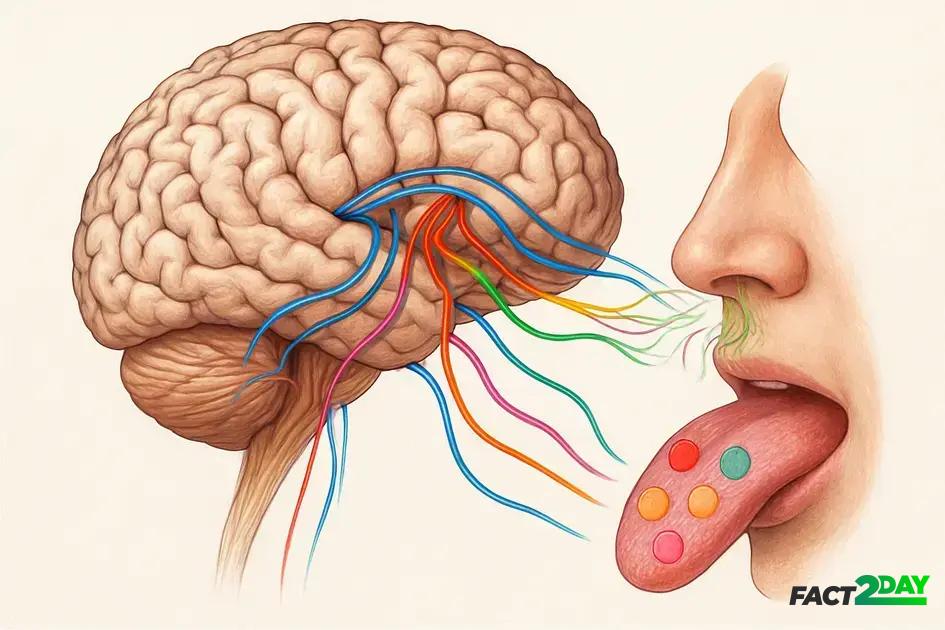
Neurogastronomy is the study of how the brain creates the perception of flavor by combining signals from the taste buds, smell receptors, and other senses. It explores why our experience of taste is much more complex than just detecting sweet, salty, sour, bitter, and umami. This field is important because it explains how our brain processes food beyond simple taste, involving memory, emotion, and even context.
When you eat, your brain merges information from multiple senses—like smell, texture, and temperature—to produce the unique perception of flavor. This integration helps explain why two people might taste the same food very differently. For example, the smell of freshly baked bread combined with its warm texture triggers a comforting response, which is part of the neurogastronomic experience.
Why Neurogastronomy Matters for Everyday Life
Understanding neurogastronomy can help us improve eating habits, develop better food products, and even support those with taste disorders. It also helps chefs and food scientists create meals that delight by targeting the brain’s complex flavor system. In short, neurogastronomy reveals that flavor is not just a simple sense but a multisensory brain event with real impact on our health and enjoyment.
Impact Areas of Neurogastronomy
- Improved Eating Habits: Guides healthier dietary choices.
- Better Food Products: Aids in developing more appealing food items.
- Taste Disorder Support: Helps individuals with impaired taste perception.
- Culinary Innovation: Assists chefs and food scientists in creating delightful meals.
- Holistic Understanding: Flavor is a multisensory brain event impacting health and enjoyment.
The Science Behind Flavor Perception in the Brain
Flavor perception is a complex process that happens in the brain, where multiple senses come together to create our experience of taste. When you eat food, signals from the taste buds on your tongue send information about sweet, salty, sour, bitter, and umami to the brain. But this is just part of the story.
The olfactory system plays a crucial role by detecting aromas through your nose, which combines with taste signals to create what we call flavor. These signals travel to the brain’s olfactory bulb and then to areas like the orbitofrontal cortex, which is key in integrating taste, smell, and even texture.
How the Brain Processes Flavor
The brain uses a network of regions to interpret these sensory inputs. The gustatory cortex processes taste, while the somatosensory cortex handles texture and temperature. Together, they help build a rich picture of the food’s properties.
Memory and emotion also influence flavor perception. The amygdala and hippocampus connect taste and smell with previous experiences to affect how we feel about certain foods. This is why comfort foods often trigger happy memories.
In summary, flavor perception is a multisensory event happening in the brain, where taste, smell, texture, memory, and emotion combine to shape how we experience food. This scientific understanding helps explain why flavor is so personal and can vary widely among people.
Brain Mechanisms in Flavor Perception
- Taste Signal Processing: Gustatory cortex handles basic tastes.
- Texture and Temperature: Somatosensory cortex processes mouthfeel.
- Memory and Emotion: Amygdala and hippocampus link flavors to past experiences.
- Multisensory Integration: Orbitofrontal cortex combines taste, smell, and texture.
- Personal Variation: Explains why flavor experience is unique to each person.
How Our Senses Combine to Create Taste
Taste is not just about what happens on your tongue. It’s a rich experience created when many senses work together. Your taste buds sense basic tastes like sweet, sour, salty, bitter, and umami. But to truly understand flavor, other senses play a key role too.
Smell is a major player. When you chew food, aromas are released and travel to your nose through the back of your throat. This is called retronasal olfaction, and it allows your brain to identify complex flavors beyond simple tastes.
The Role of Touch and Texture in Taste
The texture of food sends important signals through touch receptors in your mouth. Whether food is crunchy, smooth, or sticky changes how you perceive its flavor. Temperature also influences taste. Warm soup tastes very different from cold soup.
Visual cues and sound can impact flavor perception as well. The color of food can set expectations about taste, while the crunch sound can enhance enjoyment. These sensory inputs combine in the brain, making flavor a multi-dimensional experience rather than just a single sense.
In essence, taste is a sensory symphony where the tongue, nose, mouth, eyes, and ears send signals to the brain, creating the full picture of flavor that we enjoy every day.
Sensory Contributions to Flavor
- Taste Buds: Detect basic tastes (sweet, sour, salty, bitter, umami).
- Smell (Olfaction): Retronasal olfaction identifies complex flavors.
- Touch/Texture: Mouthfeel (crunchy, smooth, sticky) influences perception.
- Temperature: Significantly alters taste experience (e.g., warm vs. cold soup).
- Visual Cues: Color sets expectations for taste.
- Sound: Enhances enjoyment (e.g., the crunch of food).
The Role of the Olfactory System in Flavor Perception
The olfactory system is essential for flavor perception because it detects odors that combine with taste to create complex flavors. When you smell food, odor molecules enter your nose and bind to receptors in the olfactory epithelium. These receptors send signals to the olfactory bulb in the brain.
How Smell Influences Flavor
Unlike taste buds, which detect only five basic tastes, the olfactory system can identify thousands of different odors. This vast range allows us to experience the subtle and rich flavors of foods such as coffee, wine, and spices.
Retronasal olfaction is a key process where smells from food in your mouth travel to your nose via the throat. This connection explains why food tastes bland when you have a blocked nose—your brain receives fewer scent signals, diminishing flavor perception.
The olfactory bulb processes these signals and works with other brain areas like the orbitofrontal cortex to combine smells with taste, texture, and temperature. This integration produces the full flavor experience that we enjoy.
Ultimately, the olfactory system adds depth and detail to flavor, making it vital for appreciating the complexity of food beyond just the basic tastes.
Olfactory System’s Contribution
- Odor Detection: Identifies thousands of odors for complex flavors.
- Retronasal Olfaction: Smell from mouth to nose for full flavor perception.
- Impact of Blocked Nose: Diminishes flavor due to reduced scent signals.
- Brain Integration: Olfactory bulb and orbitofrontal cortex combine senses.
- Flavor Depth: Adds richness and detail beyond basic tastes.
Why Two People Taste the Same Food Differently
People often wonder why the same food tastes different to different individuals. This is due to several factors in how our brains and bodies process flavor. One major reason is the variation in taste receptor genes. Some people have more sensitive taste buds, which makes certain flavors, like bitterness, much stronger for them.
Genetic differences affect the number and type of taste receptors each person has, influencing how intensely they experience tastes. Additionally, olfactory sensitivity varies, so smells can be more or less pronounced, changing how flavor is perceived.
Other Influencing Factors on Flavor Perception
Age plays a role too; taste buds decrease in number and sensitivity as we get older. Cultural background and past experiences shape flavor expectations and preferences. Emotions and memory also impact how food tastes because the brain links flavor with mood and past memories.
Lastly, environmental elements like smoking, medication, or illnesses can dull or change taste perception. All these factors combined explain why even the same dish can be experienced very differently from person to person.
Key Factors for Taste Variation
- Genetic Differences: Variation in taste receptor genes and olfactory sensitivity.
- Age: Decrease in taste bud number and sensitivity over time.
- Cultural Background: Shapes flavor expectations and preferences.
- Past Experiences: Influences how food tastes through memory and emotion.
- Environmental Elements: Smoking, medication, illnesses can alter perception.
Neurological Factors Influencing Flavor Sensitivity
Neurological factors play a crucial role in how sensitive we are to different flavors. Our brains process taste signals sent by the tongue, but this process varies based on how the nervous system and brain are wired. The density of taste buds is one factor, but how the brain interprets their signals is equally important.
Neural pathways carry taste information from the mouth to the brain regions responsible for flavor perception, such as the gustatory cortex. Differences in these pathways can make some individuals more or less sensitive to certain tastes.
Brain Chemistry and Flavor Sensitivity
Brain chemicals like neurotransmitters affect how taste signals are processed. For example, variations in dopamine and serotonin levels can influence food cravings and enjoyment. This means the brain’s chemistry can increase or decrease sensitivity to flavors.
Additionally, neurological conditions like migraines or sensory processing disorders may alter flavor perception, either heightening or dulling taste experiences. Cognitive factors such as attention and expectation also impact how intensely flavors are perceived. If a person expects a food to taste good, their brain is more likely to enhance the flavor experience.
In summary, flavor sensitivity depends not just on the tongue but also on nervous system function and brain chemistry. Understanding these neurological factors helps explain why flavor perception varies widely among people.
Neurological Influences on Taste
- Neural Pathways: Differences in how taste signals travel to brain regions.
- Neurotransmitters: Dopamine and serotonin levels affect cravings and enjoyment.
- Neurological Conditions: Migraines, sensory processing disorders can alter perception.
- Cognitive Factors: Attention and expectation impact flavor intensity.
- Brain Chemistry: Can increase or decrease overall flavor sensitivity.
The Impact of Memory and Emotion on Taste
Memory and emotion deeply influence how we perceive taste. When we eat, our brain doesn’t just process flavors; it also recalls past experiences linked to similar tastes and smells. These memories can change how enjoyable or unpleasant a flavor feels.
The Role of the Hippocampus and Amygdala
The hippocampus is a part of the brain that stores memories, while the amygdala processes emotions. Together, they connect taste with feelings and past experiences, shaping our food preferences and aversions.
Emotional states can intensify or dull taste perception. For example, comfort foods often taste better when we feel happy or nostalgic because our brain links those flavors to positive emotions. On the other hand, stress or sadness may reduce the pleasure we get from food.
This link between taste, memory, and emotion is why certain flavors can trigger vivid memories or strong feelings. It also explains why food can provide emotional comfort or why some tastes might suddenly seem unappealing based on our mood.
How Memory and Emotion Shape Taste
- Hippocampus & Amygdala: Connect taste with past experiences and emotions.
- Shaping Preferences: Influence food likes and dislikes.
- Emotional Impact: Intensify or dull taste perception based on mood.
- Comfort Foods: Trigger positive memories and feelings.
- Emotional Comfort: Food provides solace due to flavor-emotion links.
How Brain Disorders Affect Flavor Perception
Brain disorders can significantly change how flavor is perceived. Conditions like Alzheimer’s disease, Parkinson’s disease, and stroke can disrupt the areas of the brain responsible for processing taste and smell, leading to altered or reduced flavor perception.
Effects of Neurological Damage on Taste
Damage to the olfactory bulb or gustatory cortex may result in anosmia (loss of smell) or ageusia (loss of taste), which makes food taste bland or different than before. This can reduce appetite and affect nutrition.
In Parkinson’s disease, patients often report diminished taste and smell sensitivity, which can impact their quality of life. Similarly, Alzheimer’s patients may have trouble recognizing flavors due to memory loss and impaired sensory integration.
Other disorders, like multiple sclerosis, can affect the nerves that carry taste signals, causing altered sensations or unpleasant taste distortions. Even depression and anxiety can impact flavor perception by changing brain chemistry.
Understanding these effects is important for managing diet and improving well-being in individuals with brain disorders.
Disorders and Their Impact on Flavor
- Alzheimer’s & Parkinson’s: Disrupt taste/smell processing areas, leading to altered perception.
- Stroke: Can cause anosmia (loss of smell) or ageusia (loss of taste).
- Multiple Sclerosis: Affects taste signal transmission, causing altered sensations.
- Depression & Anxiety: Can change brain chemistry, impacting flavor perception.
- Nutritional Impact: Reduced appetite and poor nutrition due to altered taste.
The Connection Between Flavor and Appetite Control
The connection between flavor and appetite control is a fascinating part of neurogastronomy. Flavor signals sent to the brain help regulate hunger and fullness by activating specific brain areas. When food tastes good, it triggers reward centers that encourage us to eat, but also signals when we’ve had enough.
The Role of the Brain’s Reward System
The hypothalamus and orbitofrontal cortex are key brain regions involved in appetite control. Flavor perception stimulates these areas to release chemicals like dopamine that create pleasure and satisfaction, influencing how much and how often we eat.
Flavor intensity and variety also affect appetite. Foods with strong or complex flavors can increase interest and eating speed initially, but very intense flavors might reduce consumption later by causing sensory-specific satiety.
Moreover, the timing of flavor exposure matters. Pleasant flavors before or during a meal can boost appetite, while unpleasant flavors often suppress it. This interaction explains why flavor is important not only for enjoyment but also for managing food intake and nutrition.
Flavor’s Influence on Appetite
- Brain Activation: Flavor signals regulate hunger/fullness in specific brain areas.
- Reward Centers: Hypothalamus and orbitofrontal cortex release dopamine for pleasure.
- Consumption Control: Flavor intensity and variety influence eating speed and satiety.
- Timing Impact: Pleasant flavors boost appetite, unpleasant flavors suppress it.
- Nutritional Management: Key for managing food intake and overall nutrition.
Cultural Influences on Flavor Perception
Cultural background plays a powerful role in shaping how we perceive flavor. Different cultures have unique food traditions, ingredients, and preparation methods that influence taste preferences and flavor experiences from a young age.
Learning Flavor Through Culture
People grow up exposed to certain flavors, spices, and aromas that become familiar and comforting. This exposure trains the brain to expect and enjoy specific taste combinations, while unfamiliar flavors might seem strange or unpleasant at first.
Shared cultural meals also connect flavor with social experiences and emotions, strengthening preference for certain foods. For example, spicy foods are beloved in many cultures, while others may prefer mild flavors based on traditional cuisines.
Additionally, cultural factors affect the perception of food appearance, smell, and texture. This cultural conditioning explains why food acceptance varies worldwide and why flavor is not just biological but deeply intertwined with social and cultural identity.
Culture’s Role in Flavor Development
- Food Traditions: Unique ingredients and preparation methods influence early taste preferences.
- Exposure & Training: Brain learns to expect and enjoy specific flavor combinations.
- Social & Emotional Connection: Shared meals strengthen food preferences.
- Global Variation: Explains diverse food acceptance worldwide.
- Identity Link: Flavor is deeply intertwined with social and cultural identity.
How Aging Changes Our Taste Experience
Aging naturally affects how we experience taste. As people get older, the number of taste buds on their tongue decreases, and the remaining buds may not work as well. This leads to a reduced ability to detect basic tastes like sweet, salty, sour, bitter, and umami.
Changes in Sensory Function with Aging
Along with fewer taste buds, aging also affects the sense of smell, which plays a big role in flavor perception. The olfactory receptors may become less sensitive, making foods taste blander than before.
Health factors like medications or illnesses common in older adults can further dull taste and smell. This can lead to reduced appetite and poor nutrition.
Despite these changes, people can adapt by using stronger flavors, spices, or different textures to enhance their eating experience. Understanding how aging changes taste can help improve diet and enjoyment of food in seniors.
Impact of Aging on Taste & Smell
- Taste Bud Reduction: Fewer taste buds and decreased function.
- Olfactory Sensitivity: Less sensitive smell receptors, leading to blander food.
- Health Factors: Medications or illnesses can further dull senses.
- Nutritional Impact: Can lead to reduced appetite and poor nutrition.
- Adaptation: Using stronger flavors, spices, textures to enhance eating.
Neurogastronomy in Food Science and Culinary Arts
Neurogastronomy combines neuroscience and culinary arts to understand how the brain perceives flavor. This knowledge helps chefs and food scientists create dishes that maximize enjoyment and sensory satisfaction.
The Science Behind Flavor Creation
By studying how taste, smell, texture, and sight interact in the brain, experts develop new cooking techniques and flavor combinations. This approach allows for crafting foods that trigger positive brain responses and enhance the dining experience.
Applications in food science include designing healthier foods that still taste delicious by manipulating sensory attributes. Restaurants use neurogastronomy principles to tailor menus that appeal to diverse palates and create memorable meals.
Additionally, this field helps in addressing eating disorders and taste impairments by developing flavor-enhanced foods that stimulate appetite and enjoyment. Overall, neurogastronomy is revolutionizing how we think about cooking and eating by focusing on the brain’s role in flavor perception.
Neurogastronomy Applications
- Culinary Innovation: Develops new cooking techniques and flavor combinations.
- Food Science: Designs healthier, delicious foods by manipulating sensory attributes.
- Restaurant Menus: Tailors offerings to appeal to diverse palates.
- Health Applications: Addresses eating disorders and taste impairments.
- Revolutionizing Perception: Changes how we think about cooking and eating.
Future Technology Shaping Flavor Perception Studies
Future technology is revolutionizing the way researchers study flavor perception. Advanced tools like brain imaging, artificial intelligence, and wearable sensors allow scientists to observe how the brain processes taste and smell in real time.
Brain Imaging Techniques in Flavor Studies
Techniques such as fMRI and EEG help track neural activity linked to flavor processing. These technologies offer detailed insights into which brain areas respond to different flavors and how sensory information is integrated.
Artificial intelligence and machine learning analyze vast amounts of data from sensory experiments to detect patterns and predict flavor preferences. This helps in designing personalized foods that cater to individual tastes.
Wearable sensors can monitor physiological responses like saliva composition and heart rate during flavor experiences, providing a richer understanding of how our bodies react to foods.
As technology advances, these tools will enable more precise and personalized studies in neurogastronomy, leading to innovations in food design, nutrition, and health.
Technological Advancements
- Brain Imaging (fMRI, EEG): Tracks neural activity and sensory integration.
- Artificial Intelligence (AI) & Machine Learning: Predicts flavor preferences from sensory data.
- Wearable Sensors: Monitors physiological responses during flavor experiences.
- Personalized Studies: Enables more precise and individualized neurogastronomy research.
- Innovation Driver: Leads to advancements in food design, nutrition, and health.
Practical Tips to Enhance Your Flavor Experience
Enhancing your flavor experience starts with paying close attention to how you eat. Eating slowly lets your brain process all the sensory details, making flavors richer and more enjoyable.
Focus on All Your Senses
Try to notice the aroma, texture, and appearance of food alongside taste. Smell plays a big role, so breathing in the scent before tasting heightens flavor perception.
Avoid distractions like screens or loud noises during meals to help your brain focus on the flavors. This mindful eating practice can also improve digestion and satisfaction.
Experimenting with seasoning and combining contrasting tastes, such as sweet and sour or salty and bitter, can open new flavor dimensions. Also, try eating familiar foods in different environments to see how context changes perception.
Lastly, maintaining good oral health keeps taste buds functional. Staying hydrated and avoiding smoking also support a better flavor experience.
Tips for Enhanced Flavor Perception
- Eat Slowly: Allows brain to process full sensory details.
- Engage All Senses: Notice aroma, texture, appearance, and taste.
- Mindful Eating: Avoid distractions to focus on flavors, improve digestion.
- Experiment with Tastes: Combine contrasting flavors and seasonings.
- Change Environment: Observe how context alters food perception.
- Maintain Oral Health: Good hygiene and hydration support taste buds.
Understanding Your Flavor Perception
Our experience of flavor is shaped by a complex interaction between our brain, senses, memories, and even culture. Recognizing how neurogastronomy explains these differences helps us appreciate why food tastes unique to each person.
By exploring the science behind flavor and applying practical tips, we can enhance our eating experience and enjoy food in new ways. Paying attention to all sensory inputs and being mindful while eating makes a big difference.
Ultimately, understanding neurogastronomy offers valuable insights into how our brain influences taste, opening doors to healthier eating habits, better culinary creations, and a richer appreciation of food.