The Brain’s Incredible Ability to Rewire Itself
Neural plasticity reveals how our brains adapt and rewire, shaping learning and recovery in ways you might not expect.
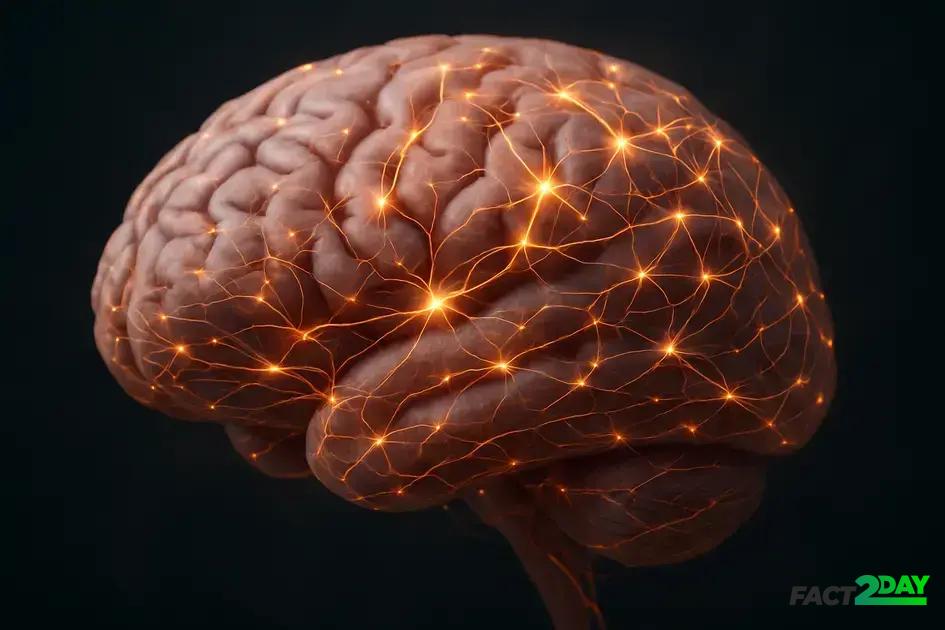
Neural plasticity is the brain’s ability to reorganize and form new neural connections, enabling learning, memory, recovery from injury, and adaptation throughout life.
Neural plasticity is like the brain’s secret power to change and adapt. Ever wondered how we learn new skills or recover from injuries? This curious ability might just be the key to those mysteries.
what is neural plasticity and why it matters
Neural plasticity is the brain’s amazing ability to change and adapt its structure and function throughout life. This means neurons can form new connections, strengthen existing ones, or even reorganize themselves in response to learning or injury. It explains how we can learn new skills, recover from brain damage, and adapt to new experiences.
Understanding neural plasticity is crucial because it shows the brain is not fixed, but constantly evolving. This adaptability plays a major role in memory, learning, and emotional development. For example, when you practice a new skill, your brain physically changes to make that skill easier over time.
Why neural plasticity matters
This flexibility is essential for personal growth and healing. After an injury like a stroke, neural plasticity helps other parts of the brain compensate for lost functions. It also influences mental health, shaping how we cope with stress and trauma.
Scientists study neural plasticity to find ways to boost its effects, which could lead to advanced treatments for conditions like Alzheimer’s, depression, and brain injuries. This research holds exciting promise for improving brain health at any age.
how the brain rewires itself naturally
The brain rewires itself naturally through a process called synaptic plasticity, where connections between neurons change based on activity and experience. These changes can strengthen or weaken synapses, allowing the brain to adapt to new information or recover from damage.
One key mechanism is long-term potentiation (LTP), which strengthens synaptic connections when neurons frequently activate together. This helps solidify learning and memory. Conversely, long-term depression (LTD) weakens synapses, pruning unused connections to keep the brain efficient.
Formation of new neural pathways
When we learn a new skill or face new experiences, the brain forms new neural pathways. This rewiring involves growth of dendrites, axons, and even generation of new neurons in some areas, such as the hippocampus. These changes reflect the brain’s adaptability to the environment.
Environmental factors, like enriched surroundings and mental challenges, can enhance these natural rewiring processes. Sleep also plays a vital role, helping consolidate the changes made during waking hours.
Overall, the brain’s ability to rewire itself naturally allows constant learning, memory improvement, and adaptation without intentional effort, showcasing its incredible flexibility.
neural plasticity across different life stages
Neural plasticity varies across different life stages, shaping how we learn, adapt, and recover. In early childhood, the brain exhibits the highest plasticity, allowing rapid learning and development. This period is critical for language, motor skills, and social abilities as the brain forms many new connections.
During adolescence, plasticity shifts focus to refining and strengthening important neural pathways. This helps improve decision-making, problem-solving, and emotional regulation. However, the brain remains adaptable, allowing teenagers to acquire complex skills and new knowledge efficiently.
Plasticity in adulthood
In adulthood, neural plasticity generally slows but does not stop. Adults can still learn new skills, adapt to changes, and recover from injuries. Continuous mental challenges, exercise, and social interaction help maintain and enhance brain flexibility.
In older adults, plasticity supports memory and cognitive function, though it may decline with age. Lifestyle factors such as diet, physical activity, and mental stimulation play a significant role in preserving plasticity late in life.
Overall, understanding how neural plasticity changes throughout life highlights the importance of nurturing the brain at every age for lifelong learning and brain health.
impact of experience on brain flexibility
Experience plays a critical role in shaping brain flexibility, also known as neural plasticity. Every experience, whether learning a new language, practicing an instrument, or facing challenges, causes changes in the brain’s structure and function. These changes help the brain adapt and improve over time.
Repeated experiences strengthen specific neural pathways through a process called use-dependent plasticity. This means the more you engage in an activity, the stronger and more efficient those brain connections become. For example, a musician’s brain develops enhanced pathways related to sound processing and motor control.
Environmental enrichment and neural growth
Rich environments with diverse experiences stimulate the brain to form new neurons and synaptic connections. This growth supports better memory, creativity, and problem-solving abilities. On the other hand, a lack of stimulation can reduce plasticity and cognitive function.
Stressful or traumatic experiences can also impact brain flexibility. While some stress can promote growth, chronic stress may negatively affect neural plasticity, especially in areas related to memory and emotional regulation.
Overall, experiences continuously shape the brain’s ability to adapt, highlighting the importance of active learning and a stimulating environment for maintaining brain health.
techniques that may enhance neural plasticity
Several techniques can help enhance neural plasticity and boost the brain’s ability to adapt and learn. One effective method is engaging in regular physical exercise, which increases blood flow and supports growth of neurons and connections.
Mental stimulation is another key factor. Activities like puzzles, learning new languages, or playing musical instruments challenge the brain, encouraging new neural pathways to form and existing ones to strengthen.
The role of sleep and nutrition
Quality sleep is essential for consolidating memories and clearing toxins in the brain, promoting plasticity. A balanced diet rich in antioxidants, omega-3 fatty acids, and vitamins helps protect brain cells and supports their growth.
Techniques such as mindfulness meditation and stress management can reduce negative impacts of stress on the brain, improving neural flexibility. Additionally, emerging therapies like transcranial magnetic stimulation (TMS) show promise in directly stimulating brain areas to enhance plasticity.
Combining these approaches creates an ideal environment for the brain to grow, adapt, and stay healthy throughout life.
plasticity’s role in learning and memory
Neural plasticity is fundamental to how we learn and form memories. When we learn something new, the brain changes by strengthening the connections between neurons, a process called synaptic plasticity. These stronger connections make it easier to recall information and skills over time.
Learning involves both the creation of new neural pathways and the modification of existing ones. Memory formation particularly depends on the hippocampus, a brain region vital for organizing and storing information.
Types of memory and plasticity
Different kinds of memories rely on neural plasticity in unique ways. For example, procedural memory, like riding a bike, depends on changes in motor pathways, while declarative memory, such as facts and events, involves changes in cortical areas.
Repeated practice and meaningful experiences reinforce these pathways, making memories stronger and longer-lasting. Without plasticity, the brain would not be able to adapt or retain new knowledge effectively.
Overall, plasticity allows our brains to be flexible and efficient learners, continuously forming, adjusting, and strengthening memories throughout life.
how injury triggers brain rewiring
When the brain suffers an injury, it activates its natural ability to adapt through a process called brain rewiring. This rewiring helps the brain compensate for damaged areas by forming new connections and pathways. Neurons near the injury site may increase their activity or even take over functions from lost cells.
One key process involved is neurogenesis, the creation of new neurons, which primarily occurs in specific brain regions like the hippocampus. Additionally, synaptogenesis increases, producing new synapses to improve communication between neurons.
Mechanisms supporting recovery
The brain also uses mechanisms like axonal sprouting, where undamaged neurons grow new branches to reconnect with other cells. Rehabilitation therapies often encourage this process by stimulating the brain through physical and cognitive exercises.
Understanding how injury triggers brain rewiring is crucial for developing treatments that enhance recovery and improve quality of life for patients.
the relationship between neural plasticity and mental health
Neural plasticity plays a crucial role in mental health by influencing how the brain adapts to stress, trauma, and experiences. A flexible brain can adjust and recover from challenges, helping maintain emotional balance and cognitive function.
Mental health disorders like depression, anxiety, and PTSD are linked to reduced plasticity in areas such as the hippocampus and prefrontal cortex. This reduction can impair learning, memory, and emotional regulation.
Plasticity and recovery
On the positive side, therapies like cognitive-behavioral therapy (CBT), mindfulness, and medication work by enhancing neural plasticity. They promote new healthy neural pathways and help the brain rewire negative thought patterns and behaviors.
Research shows that lifestyle factors such as regular exercise, social connections, and mental stimulation also support plasticity and improve mental well-being.
Understanding the link between neural plasticity and mental health opens doors to better treatments and healthier brains.
limit and challenges in brain plasticity
The brain’s plasticity, while powerful, has important limits and challenges. One key limitation is that plasticity declines with age, making learning and recovery slower for older adults compared to children. The brain becomes less flexible over time, which can affect memory and skill acquisition.
Additionally, excessive plasticity can sometimes lead to negative effects, such as in chronic pain or certain neurological disorders where abnormal rewiring causes problems. The balance between adaptability and stability is crucial for healthy brain function.
Challenges in enhancing plasticity
Efforts to improve brain plasticity face hurdles including finding safe and effective methods to stimulate neural growth. While physical exercise and cognitive training help, individual differences such as genetics and lifestyle impact how well plasticity can be boosted.
Injuries and diseases like stroke or Alzheimer’s also present challenges, as they can damage critical brain areas and hinder plasticity. Recovery may be incomplete or slow, requiring comprehensive therapeutic approaches.
Understanding these limits and challenges guides research and therapy development, aiming to optimize brain plasticity for health and healing.
future directions in neural plasticity research
Neural plasticity research is advancing rapidly, opening new future directions that explore how to harness the brain’s adaptability for better health and cognition. Scientists are focusing on understanding the molecular and cellular mechanisms that control plasticity, aiming to develop targeted therapies.
One promising area is the use of stem cells to replace damaged neurons and encourage brain repair. Researchers are also investigating advanced brain stimulation techniques, like transcranial direct current stimulation (tDCS), to enhance plasticity and promote learning.
Integration of technology and neuroscience
The integration of artificial intelligence and machine learning is providing new tools to analyze vast neural data and predict plasticity changes. This helps customize treatments for neurological disorders and optimize rehabilitation strategies.
Another exciting direction involves exploring plasticity in aging brains to combat cognitive decline. Developing drugs or lifestyle interventions that slow or reverse brain aging could improve quality of life for older adults.
Overall, the future of neural plasticity research holds great potential to unlock new treatments and improve brain health across all ages.
Understanding Neural Plasticity’s Impact
Neural plasticity shows us that the brain is a dynamic organ capable of adapting and changing throughout life. This ability helps us learn, recover from injury, and maintain mental health.
Advances in research and technology offer promising ways to enhance this flexibility and address challenges related to brain function. By embracing these insights, we can support brain health at every age and unlock a better future for learning and healing.