A Time Capsule from Napoleon’s Army Was Discovered in the Alps
Napoleon time capsule uncovered in the Alps reveals a world frozen in history, inviting curiosity and awe at this rare discovery.
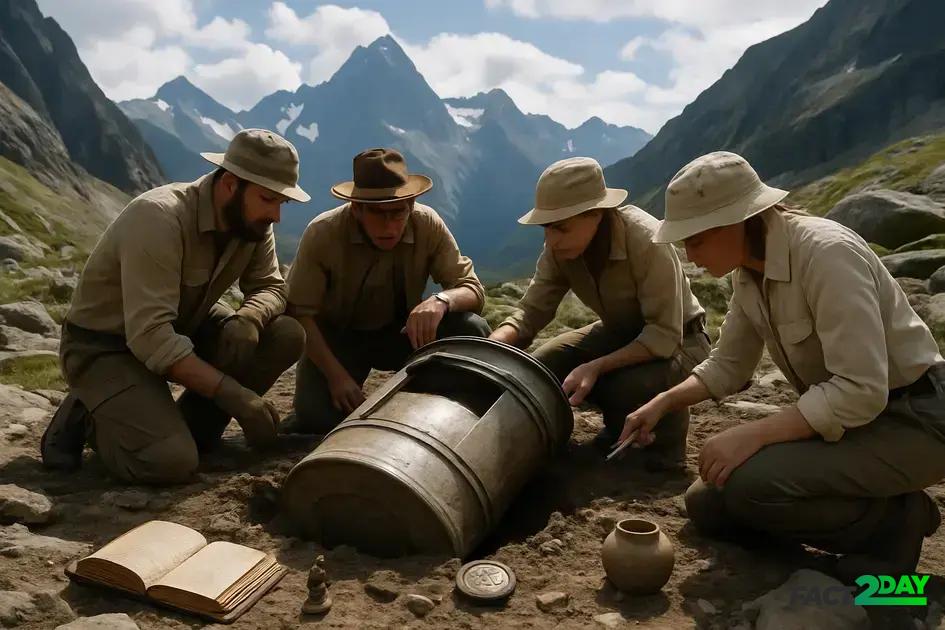
Napoleon time capsule discovered in the Alps preserved rare artifacts and documents that reveal detailed insights about Napoleonic soldiers’ lives, military strategies, and historical events during their campaigns in harsh mountainous conditions.
Have you ever wondered what secrets the past might hold? The Napoleon time capsule discovered in the Alps opens a fascinating window into history, revealing artifacts and stories from an army long gone. It’s a rare moment to pause and listen to echoes of another age.
The discovery site and its historical significance
The discovery site of the Napoleon time capsule is nestled high in the Alpine mountains, a remote and rugged region that has preserved its secrets for centuries. This location was strategically important during the Napoleonic wars, acting as a passage and camp area for soldiers moving through the treacherous terrain.
The site’s historical significance comes from its ability to connect us directly to the past. Artifacts found here offer a snapshot of life during a critical time in European history. These mountains witnessed key movements of Napoleon’s army, making the capsule a unique treasure that helps historians piece together war strategies and daily soldier experiences.
Archaeologists believe the capsule was intentionally hidden to protect valuable items during a chaotic retreat or campaign. Thanks to the cold alpine conditions and isolation, the contents remained remarkably well preserved, providing genuine physical evidence of early 19th century military life.
Exploring this site not only advances historical knowledge but also promotes cultural heritage preservation. It reminds us how landscapes hold stories and how careful excavation can uncover remarkable glimpses into the past, enriching our understanding of history beyond books and documents.
Artifacts found inside the time capsule
Inside the Napoleon time capsule, researchers uncovered a fascinating collection of artifacts that tell a vivid story of the soldiers’ lives. Among the items were personal belongings such as worn leather boots, rusted but well-preserved weapons, and tools used for survival in harsh mountain conditions.
Additionally, the capsule contained handwritten letters and small journals, providing rare insights into the thoughts and emotions of the men who marched under Napoleon’s banner. These documents are invaluable, as historical records of individual soldiers from this period are scarce.
Other discoveries included uniform buttons, coins, and cooking utensils, all carefully preserved by the cold Alpine environment. These objects reflect the daily routines and hardships faced by the army, highlighting their resilience and adaptability.
The assortment also featured medicinal items such as small bottles and bandages, indicating the efforts made to care for injured soldiers during long campaigns. Collectively, these artifacts offer a tangible connection to a pivotal moment in history and enrich our understanding of military life in the early 1800s.
How the capsule was preserved in the Alps
The preservation of the Napoleon time capsule in the Alps is a remarkable example of nature’s ability to protect historical treasures. The capsule was buried deep within cold, stable Alpine soils where temperatures remain low year-round. This environment slowed down natural decay processes, preventing damage from moisture and temperature fluctuation.
The cold climate created an almost natural refrigeration effect, reducing bacterial growth and material degradation. Ice and snow in the region further insulated the capsule, shielding it from harsh weather and erosion over the centuries.
The capsule itself was made of durable metal, specifically designed to withstand harsh conditions and protect its contents. Its airtight sealing kept out oxygen and water, which are primary causes of rust and decay. This combination of environmental and material factors worked together to preserve the artifacts inside.
Alpine geological stability also played a crucial role, as minimal earthquakes and soil disturbances ensured the capsule remained undisturbed over time. These preservation conditions provide scientists with a rare opportunity to study military history through well-kept physical evidence.
The connection between Napoleon’s army and the capsule
The Napoleon time capsule offers a direct link to the soldiers who marched with Napoleon across Europe. It was likely buried by members of his army during a campaign in the Alps. This connection helps historians understand the day-to-day experiences of these troops beyond battle reports and official documents.
The capsule contains personal items and letters, illustrating the hopes, struggles, and realities faced by the soldiers. These artifacts reflect typical military life, including challenges like harsh weather, limited supplies, and the need for strong camaraderie.
Historians believe the capsule was hidden to protect valuable belongings from the chaos of movement or potential enemy confiscation. This act shows a human side of the army, revealing how soldiers cared for their personal history and survival tools.
Military strategies and routes taken by Napoleon’s army are reflected in the location of the capsule. Its discovery helps map key moments and troop movements through the rugged terrains of the Alps, adding context to historical battles and logistical efforts during the campaign.
Historical insights gained from the time capsule
The discovery of the Napoleon time capsule has provided historians with valuable insights into the Napoleonic era. The artifacts and documents have shed light on the daily lives of soldiers, their struggles, and their resilience during harsh military campaigns.
These items reveal details about the army’s logistics, including the types of supplies carried and the methods used for survival in mountainous terrain. The personal letters found inside offer a unique perspective on the emotional challenges faced by troops, such as homesickness and the longing for peace.
The capsule also highlights technological and medical practices of the time. For example, medicinal supplies and rudimentary first aid items show how soldiers coped with injuries despite limited resources.
Furthermore, the time capsule helps historians better understand the routes taken by Napoleon’s forces and the strategic importance of the Alpine region. It enriches knowledge about military organization, communication, and the hardships endured during this pivotal historical period.
The process of excavating the capsule carefully
The excavation of the Napoleon time capsule required a delicate and meticulous process to ensure the preservation of its contents. Archaeologists first mapped the exact location using historical records and modern technology, such as ground-penetrating radar.
Once the site was identified, experts carefully removed layers of soil and rock by hand, avoiding any use of heavy machinery that could damage the capsule. Every step was documented with photographs and notes to maintain a clear record of the excavation.
During the digging, specialists wore gloves and used soft brushes to gently clean the surface of the capsule. This precision helped prevent scratches, dents, or other damage that could harm the fragile structure inside. The capsule was then slowly lifted out and transported to a controlled laboratory for further study.
Conservation experts immediately began assessing the capsule’s condition, using advanced techniques to stabilize and protect the artifacts while planning for their restoration. This cautious approach ensures that every piece remains intact for future research and public display.
The impact on our understanding of Napoleonic wars
The discovery of the Napoleon time capsule has significantly deepened our understanding of the Napoleonic wars. These artifacts provide direct evidence of the conditions soldiers endured, offering new perspectives beyond written records and official reports.
Items like weaponry, personal letters, and survival tools reveal details about combat strategies, soldier morale, and daily challenges. This tangible connection allows historians to better grasp the human element of warfare during this era.
The time capsule sheds light on the logistical difficulties of moving armies through difficult terrain like the Alps. It highlights how soldiers adapted to extreme weather and terrain obstacles, providing clues about military planning and tactics.
Moreover, the insights gained help reinterpret some historical events, clarifying timelines and actions during key campaigns. This newfound knowledge enriches academic research and fuels public interest in this pivotal period of European history.
Stories of soldiers related to the capsule’s contents
The Napoleon time capsule contained personal items and letters that reveal intimate stories of the soldiers who carried them. These stories bring to life the experiences and emotions of men far from home, facing the challenges of war in the unforgiving Alpine environment.
Many letters share hopes of returning to loved ones, reflecting the deep personal sacrifices made. Some artifacts, like worn boots and damaged uniforms, tell tales of perseverance through harsh conditions and battle hardships.
The capsule also uncovered trinkets and keepsakes that soldiers carried for comfort and luck. These items highlight the human side of war, showing how soldiers sought morale boosts during difficult campaigns.
Through these relics, historians can piece together individual identities, shedding light on the diverse backgrounds and roles of the troops. These personal connections help us appreciate the complexity and humanity of the Napoleonic army.
The role of Alpine conditions in preservation
The harsh Alpine conditions played a crucial role in preserving the Napoleon time capsule. The cold temperatures and consistent snow cover created a natural environment that slowed down the decay of organic and metal materials alike.
The low humidity in the high altitude atmosphere reduced moisture buildup, which is a primary cause of rust and mold. This helped maintain the structural integrity of the metal capsule and its contents.
Freeze-thaw cycles in the Alps also contributed to preservation by keeping the capsule deeply buried and protected from frequent disruptions. The stability of the mountainous soil minimized physical damage over time.
These environmental factors combined to create an almost perfect storage setting, helping us recover artifacts in extraordinary condition that offer authentic glimpses into history.
Future research and explorations inspired by the find
The discovery of the Napoleon time capsule has sparked significant interest for future research and explorations in the Alpine region. Historians and archaeologists are now motivated to uncover more hidden artifacts that could provide deeper insights into Napoleonic campaigns and soldier life.
New technologies like advanced ground-penetrating radar and 3D mapping are being employed to explore surrounding areas without disturbing the fragile environment. These tools increase the chances of locating additional time capsules or related historical sites.
Collaborations between international research teams are expanding, combining expertise in history, archaeology, and conservation science. This interdisciplinary approach promises more detailed analysis and better preservation techniques.
Beyond academics, the find has inspired cultural projects and public exhibitions, engaging communities and promoting historical tourism in the Alps. This broader interest supports funding and encourages ongoing explorations to unveil more secrets from the era.
Understanding the significance of the Napoleon time capsule
The discovery of the Napoleon time capsule offers an incredible glimpse into history, revealing the lives of soldiers and their challenges during a pivotal era. The well-preserved artifacts bring history to life, deepening our knowledge of the Napoleonic wars and the resilience of those involved.
Ongoing research and exploration inspired by this find will continue to uncover more about this fascinating period. As we learn from the past, these discoveries remind us of the importance of preserving history and the stories that shape our world.
Discoveries like this time capsule connect us to history in a tangible way, making the past feel immediate and real. They inspire curiosity and respect for the people who lived through those times, enriching our understanding of human experience throughout the centuries.