Nature’s Mud Volcanoes: Steam, Sludge and Minerals
Explore the mysterious world of mud volcanoes, where steam, sludge, and minerals shape unique landscapes and hidden natural wonders.
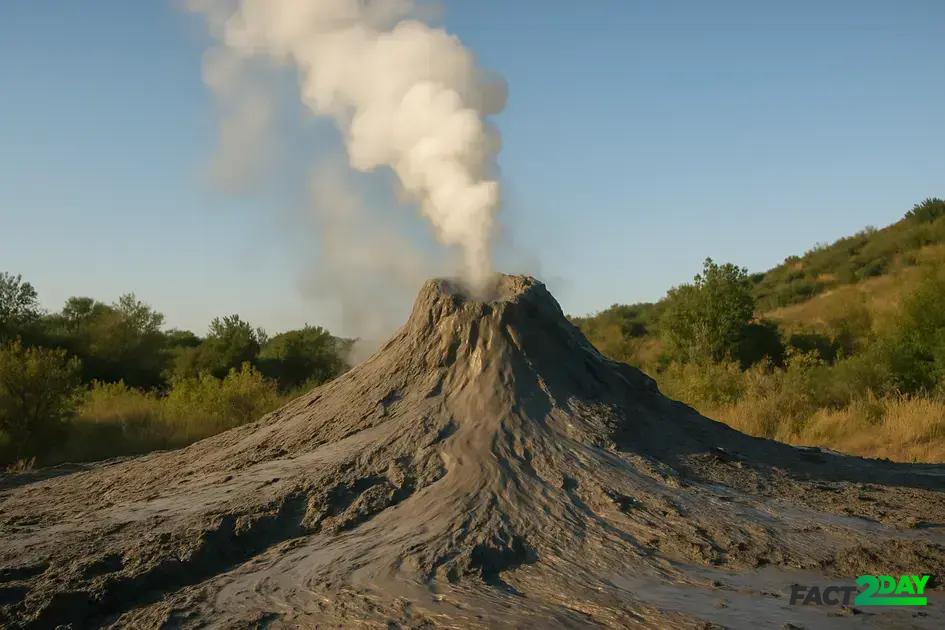
Mud volcanoes are natural formations where pressurized gases and mud erupt to the surface, creating unique landscapes influenced by steam, sludge, and various minerals.
Mud volcanoes often fascinate those who encounter their strange mix of steam, sludge, and mineral deposits. Have you ever wondered how these natural wonders form and what stories they tell about the Earth’s inner workings?
what are mud volcanoes and how do they form
Mud volcanoes are fascinating natural features formed by the eruption of mud, water, and gases from deep underground. Unlike typical lava volcanoes, they don’t spew molten rock but instead release a mix of thick mud and gases like methane and carbon dioxide. These eruptions often occur in areas rich in underground hydrocarbons or tectonic activity.
The formation process
The formation starts when underground pressure builds up from gases trapped beneath layers of sediment and rock. Over time, this pressure forces the mud upwards through cracks or faults, creating cones or pools on the surface. The material expelled can range from thick sludge to watery mud, often mixed with minerals and organic matter.
Where mud volcanoes commonly appear
They are most frequently found in regions with active geological movements, such as subduction zones or sedimentary basins. Areas around the Caspian Sea, the Middle East, and some parts of Asia are especially known for their numerous mud volcanoes. These sites provide a window into the Earth’s inner processes.
Mud volcanoes not only shape unique landscapes but also give clues about underground hydrocarbons and geological pressure. They are vital for researchers studying natural gas emissions and the Earth’s crust movements.
the role of steam and gases in mud volcano activity
Steam and gases play a crucial role in the activity of mud volcanoes. These gases, mainly methane, carbon dioxide, and sometimes small amounts of hydrogen sulfide, build up pressure beneath the Earth’s surface. When the pressure becomes too great, it forces mud and water to the surface, causing eruptions.
How gases affect eruptions
The release of gases creates bubbling and steaming effects in the mud pools. This steam is often seen rising from the surface during eruptions, which helps to break apart solid layers and create pathways for the mud to flow. The force of escaping gases can control the size and frequency of eruptions, sometimes resulting in spectacular bursts of mud and steam.
The composition of gases
Methane is the most common gas found in mud volcanoes, often produced by the decomposition of organic matter deep underground. Carbon dioxide also adds to the pressure, while other gases may contribute to the distinct smell and chemical makeup of the mud. Understanding these gases helps scientists study natural gas sources and monitor environmental impacts.
In summary, the movement and release of steam and gases are what drive the unique and dynamic behavior of mud volcanoes. They not only create visual phenomena but also influence the geological and chemical environment around these features.
minerals and their impact on mud volcano ecosystems
Minerals released by mud volcanoes play an important role in shaping nearby ecosystems. These minerals include clays, salts, and various trace elements brought to the surface with the mud and water. They contribute to unique soil conditions that affect the plant and animal life in the area.
Mineral composition and soil impact
The sediment expelled by mud volcanoes is rich in clay minerals like montmorillonite and illite. These minerals help retain water and nutrients in the soil, creating fertile patches despite the harsh environment. However, the high salt content in some areas can limit the growth of certain plants, favoring only salt-tolerant species.
Effect on local flora and fauna
The special mix of minerals creates habitats for specialized plants that thrive in mineral-rich soils. These plants, in turn, support unique insect and microbial communities. Some mud volcano areas become hotspots of biodiversity due to these rare ecological niches.
Additionally, the continuous supply of minerals can affect water quality in nearby lakes and rivers, influencing aquatic life. Scientists study these effects to understand how mud volcanoes shape ecosystems over time.
famous mud volcano locations around the world
Mud volcanoes can be found in several fascinating locations around the world, each offering unique landscapes and geological features. They attract scientists and tourists alike, eager to witness these unusual natural phenomena.
Caspian Sea region
This area, especially in Azerbaijan, hosts some of the world’s largest and most active mud volcanoes. These formations erupt frequently, creating large mudflows and towering cones of sludge. The region is well-studied for its links to underground hydrocarbons and tectonic activity.
Indonesia and Papua New Guinea
Southeast Asia has numerous mud volcanoes, notably in Indonesia’s Sumatra and Papua New Guinea. These volcanoes often emerge near tectonic plate boundaries where gas and mud are released forcefully. Some of them are associated with major geological events like earthquakes.
Other notable sites
Other places with visible mud volcanoes include parts of Italy, Trinidad and Tobago, and the United States, particularly in California and Utah. Each location offers a glimpse into regional geological processes and ecosystems influenced by these unique features.
Visiting these sites provides a chance to understand how mud volcanoes shape landscapes and the environment while showcasing nature’s power and mystery.
environmental significance of mud volcanoes
Mud volcanoes have significant impacts on the environment, influencing ecosystems, air quality, and even climate patterns. They act as natural vents, releasing gases like methane, which is a potent greenhouse gas. This release plays a role in the Earth’s carbon cycle and can affect global warming.
Impact on ecosystems
The mud and minerals expelled from volcanoes create unique habitats that support specialized plant and animal life. These environments often serve as biodiversity hotspots, housing species adapted to the harsh, mineral-rich conditions. The constant supply of mud can reshape landscapes and water systems, influencing nearby aquatic life.
Contribution to greenhouse gases
Methane and carbon dioxide released by mud volcanoes contribute to the atmosphere’s greenhouse gas content. While natural, these emissions add to the overall balance of gases affecting the planet’s climate. Studying mud volcanoes helps scientists understand natural greenhouse gas sources versus those caused by human activity.
In addition, mud volcanoes can signal underground geological processes, including oil and gas formations. This makes them important for environmental monitoring and the exploration of natural resources.
how to safely observe mud volcanoes in nature
Observing mud volcanoes in nature can be an exciting experience, but safety should always be a priority. These natural features can be unpredictable, with hot mud, toxic gases, and unstable ground posing risks to visitors.
Respect warning signs and barriers
Many mud volcano sites have posted signs or barriers to keep visitors at a safe distance. It is important to follow these guidelines carefully to avoid accidents caused by sudden eruptions or fragile crusts covering deep mud.
Stay on designated paths
Walking on marked trails helps prevent damage to the fragile ecosystem and limits exposure to dangerous areas. The ground near mud volcanoes can be unstable, and straying off path increases the risk of stepping into hot mud or thin crusts that may collapse.
Be aware of gas emissions
Mud volcanoes release gases like methane and hydrogen sulfide, which can be harmful in high concentrations. Avoid lingering in areas where gas smells are strong or where steam is visibly rising. It’s best to visit these sites on windy days to reduce exposure.
Using binoculars or cameras with zoom lenses allows you to observe from a safer distance. Bringing a guide familiar with the area can also enhance safety and provide valuable information about the volcano’s behavior.
Understanding and appreciating mud volcanoes
Mud volcanoes offer a unique glimpse into the Earth’s natural processes, combining steam, sludge, and minerals in fascinating ways. Learning about these features helps us appreciate their role in shaping landscapes and ecosystems.
Whether you’re a curious traveler or a science enthusiast, observing mud volcanoes safely and respectfully allows you to connect with nature’s dynamic and sometimes mysterious behavior. By understanding their environmental impact, we can better protect these natural wonders and the life they support.
Next time you encounter a mud volcano, you’ll know the science behind the spectacle and the care needed to witness it up close.