The Emotion Menu: How Certain Foods Can Dramatically Alter Your Mood and Cognition
Discover how mood-changing foods influence brain chemistry, neurotransmitters, and emotional regulation. Lmood-changing foods
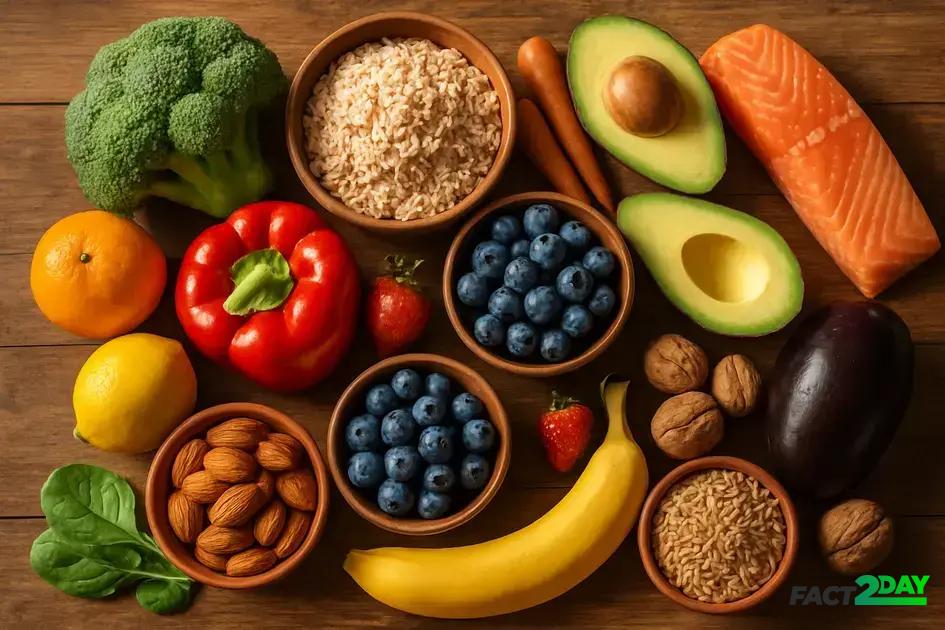
Mood-changing foods impact brain chemistry and neurotransmitter production, with nutrients like omega-3s, vitamins, and minerals playing key roles in emotional regulation and cognitive function.
We often underestimate the power of food, but the truth is that mood-changing foods are not just a passing curiosity; they are genuine agents that can transform our emotions, our mental clarity, and even our behavior. It’s an intrinsic and powerful connection that is well worth understanding.
How foods influence mood-changing foods and the mind
Our diet is much more than just fuel for the body. It directly interacts with our brain chemistry and hormone levels, exerting a direct influence on mood and cognitive functions. For instance, a simple complex carbohydrate can trigger an increase in serotonin production, that neurotransmitter that makes us feel happier, calmer, and more content. It’s like we’re giving our brain the very ingredients for a good feeling.
On the other hand, have you ever noticed how a diet rich in refined sugars and ultra-processed foods can send us on an emotional rollercoaster? Energy spikes followed by sharp drops, irritability, and lack of focus are clear signs that we’re challenging our internal balance. Food not only sustains us but also shapes, moment by moment, the landscape of our mind.
The role of neurotransmitters
Let’s talk a bit about the brain’s true messengers: neurotransmitters. Serotonin, dopamine, norepinephrine, and GABA are just a few examples of these incredible substances that regulate everything from our mood and sleep to our motivation and learning capacity. The most impressive part is that these messengers crucially depend on the nutrients we obtain from the food we eat.
Think of amino acids, B vitamins, and essential minerals as building blocks, which the body uses to construct these vital neurotransmitters. A balanced diet ensures we have all the necessary pieces for these “messages” to be transmitted efficiently, directly impacting how we feel and think throughout the day. When these pieces are missing, the system can become dysregulated, leading to mood imbalances and cognitive difficulties.
The gut-brain connection
This is an area of science that has been gaining increasing prominence, and for good reason! Modern research has revealed a surprising bidirectional communication pathway between our gut and our brain, known as the gut-brain axis. This means that the health of your digestive tract is intimately linked to your mental well-being.
A healthy gut microbiome, that community of trillions of microorganisms living in our intestines, is fundamental for the proper functioning of this axis. When we feed these “good friends” with fiber, prebiotics, and probiotics, we are contributing not only to better digestion but also to more effective mood-changing foods regulation, reduced anxiety, and even an improved response to stress. It’s like having a second brain at work, directly influencing our emotions.
Understanding how specific foods alter brain function gives us incredible power. It’s not about a restrictive diet, but rather about conscious choices that empower us to build a solid foundation for mental clarity, emotional balance, and overall well-being that reflects in all areas of our lives. It’s about nourishing our body and mind from the inside out.
Essential nutrients that regulate emotions
There’s a range of specific nutrients that act as true protagonists in the regulation of emotions. They not only support brain function but are also crucial for hormonal balance, which is another pillar of our state of mind. Think of B vitamins, such as B6, B12, and folate, for instance. They are indispensable partners in the production of neurotransmitters like serotonin and dopamine, directly influencing our mood-changing foods, energy, and even the quality of our sleep.
When we supply these essential nutrients to our body, we are ensuring that our brain’s “machinery” operates at its maximum capacity. It’s a direct investment in our mental well-being, allowing us to face daily challenges with greater resilience and optimism.
Important minerals
Two minerals that deserve special mention are magnesium and zinc. They are true allies in the battle against anxiety and in promoting mental clarity. Magnesium, often called “the relaxation mineral,” participates in hundreds of biochemical reactions in the body, including those that calm the nervous system and aid in the production of GABA, an inhibitory neurotransmitter that reduces neural excitation.
Zinc, on the other hand, is vital for immune and neurological function, playing an important role in modulating neurotransmitter pathways and protecting against oxidative stress in the brain. Deficiencies in either of these minerals can, unfortunately, be linked to increased stress levels, greater anxiety, and even mood disorders, showing how crucial it is to ensure adequate intake.
Omega-3 fatty acids
Omega-3 fatty acids are true superheroes for our brain. Found abundantly in fatty fish like salmon and sardines, as well as flaxseeds and chia seeds, they are structural components of brain cell membranes, facilitating communication between neurons. Furthermore, omega-3s have powerful anti-inflammatory properties, which is crucial, as chronic inflammation has been associated with mood disorders.
Various scientific studies have consistently shown that adequate intake of these fatty acids can help alleviate symptoms of depression and enhance cognitive function, including memory and concentration. They are, therefore, more than just “good fats”; they are vital components for a healthy brain and balanced mood-changing foods. Including these key nutrients in your diet is like building a solid foundation for emotional stability and robust mental health.
Practical tips for including mood-changing foods in your diet
Now that we understand the importance, the good news is that incorporating mood-changing foods into your daily meals can be easier and more rewarding than you might imagine. We don’t need major revolutions, but rather small and consistent choices. Start by adding colorful fruits and vegetables to your plate – they are packed with antioxidants and vitamins that act as a shield for brain health and stimulate the production of our “happiness hormones”.
Think of each meal as an opportunity to nourish not only your body but also your mind. Small adjustments, such as swapping a processed side dish for a vibrant salad or adding fruit to your breakfast, already make a huge difference in your overall well-being.
Plan balanced meals
Planning your meals is one of the most effective strategies to ensure your brain receives everything it needs. Make sure each dish includes high-quality protein sources (like eggs, chicken, fish, legumes), healthy fats (avocado, olive oil, nuts), and complex carbohydrates from whole grains (quinoa, brown rice, oats). This combination offers a slow and steady release of energy, preventing the spikes and crashes that affect mood.
For example, a lunch with grilled salmon, quinoa, and steamed broccoli is not only delicious but also provides omega-3s, proteins, fiber, and a host of essential vitamins and minerals for your brain function and emotional balance. Planning ahead helps avoid impulsive and less healthy food decisions when hunger strikes.
Snack smart
When hunger strikes between meals, the choice of snack is crucial. Instead of resorting to sugary, processed options that offer only a quick energy spike followed by a crash, opt for smart snacks that nourish both your body and mind. Nuts, seeds (like cashews, almonds, pumpkin seeds), natural yogurt with fruit, and vegetables with hummus are excellent choices.
These snacks provide protein, fiber, and healthy fats that help regulate blood sugar levels, keep you feeling full longer, and supply important nutrients that stabilize emotions and maintain steady energy levels. Avoiding processed snacks not only benefits your mood-changing foods in the short term but also contributes to more robust mental health in the long run.
Cooking at home with fresh ingredients also gives you much greater control over what you’re eating, making it easier to avoid those processed foods that can sabotage your mood-changing foods. And don’t underestimate the power of small changes: drinking green tea instead of soda or adding flaxseeds to your morning yogurt are simple steps that accumulate big benefits over time.
Bringing mood-changing foods into your daily routine
Adding foods that positively influence your mood can be a journey that is both easy and enjoyable, Rafael. Every dietary choice we make throughout the day represents an opportunity to strengthen our mental well-being. Simply opting for fresh fruits, colorful vegetables, and healthy snacks instead of processed alternatives can already make a noticeable difference in how you feel and how your mind functions.
By planning your meals with balance and consciously avoiding ultra-processed foods, you are providing your brain with all the essential nutrients it needs to operate at its best. This nutritional approach not only supports your cognitive functions but also helps maintain your emotions in a more stable and positive state, creating a solid foundation for mental health.
Remember that progress happens with consistency, not necessarily with perfection. Small, continuous changes in your eating habits accumulate over time, paving the way for brighter days and a clearer, more resilient mind. Taking care of your diet is, without a doubt, one of the best ways to support your overall well-being, day after day.