The ‘Lost’ That Weren’t: Civilizations Misunderstood or Misidentified by History
Misinterpreted civilizations reveal how history can cloud truths, reshaping our view of ancient worlds. Discover what’s often misunderstood or misidentified.
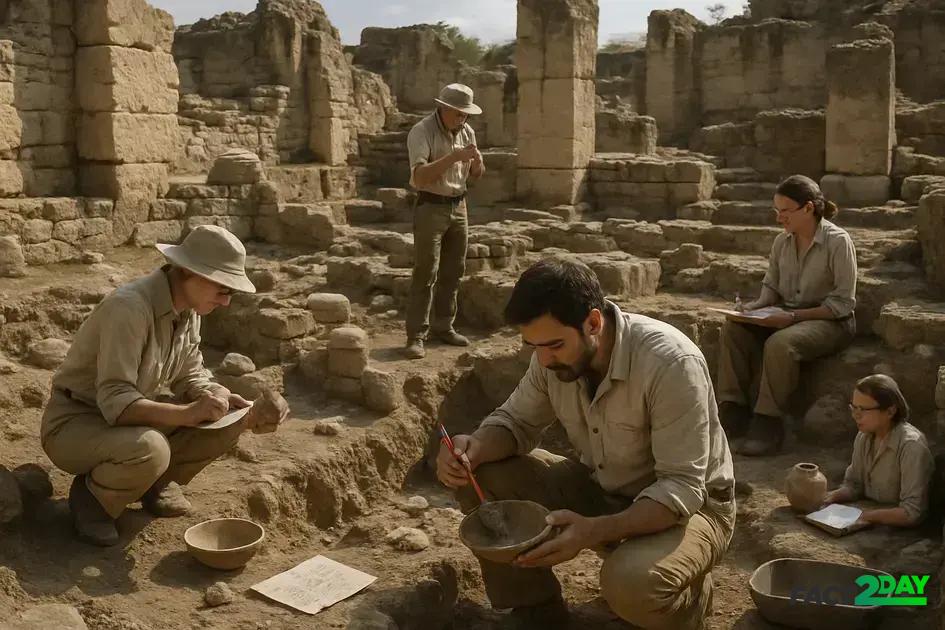
Misinterpreted civilizations refer to ancient societies whose histories have been misunderstood, misidentified, or obscured due to incomplete evidence, biased perspectives, or archaeological gaps, leading to mistaken beliefs about their culture, existence, or achievements.
Have you ever wondered why some civilizations are called “lost” when they might not be? Misinterpreted civilizations show us how history can sometimes blur the lines between fact and fiction. Let’s explore these fascinating cases together.
what makes a civilization be ‘lost’ or misidentified?
A civilization is often labeled as “lost” or misidentified when key information about its existence, culture, or location is missing or misunderstood. Many factors contribute to this confusion, including incomplete archaeological records, destruction of artifacts, and biased historical accounts. Without accurate evidence, historians and researchers may jump to incorrect conclusions.Lost civilizations might not truly be lost; rather, their stories could have been obscured over time by natural disasters, wars, or simply the decay of materials used to record their history.
Another major reason is the misinterpretation of ancient texts or symbols, where early historians may have lacked context or linguistic knowledge. For example, some civilizations once thought mythological, like Troy, were later confirmed real, showing how myths and facts can overlap, confusing the historical record.
Environmental changes also play a role. Civilizations that adapted and relocated could be seen as vanished when their physical sites were abandoned. In some cases, modern cultural or political biases have influenced how archaeologists and historians identify certain societies, sometimes undermining the true complexity and continuity of those cultures.
How archaeology and new technology help
Modern technology such as satellite imaging, ground-penetrating radar, and advanced dating methods now help uncover hidden sites and clarify timelines, reducing misidentification. Still, the journey to correctly identify civilizations requires patience, open-mindedness, and ongoing research.
common causes of misinterpretations in historical records
Misinterpretations in historical records often arise from incomplete data, translation errors, and biased perspectives. Many ancient texts were copied by hand, increasing the chance of mistakes or deliberate alterations over time. Additionally, some records have been lost or damaged, leaving gaps that historians must fill with educated guesses.
Translation errors are common, especially when dealing with extinct languages or scripts. Without a full understanding of the cultural context, translators might misconstrue symbols or phrases, leading to false conclusions about a civilization’s beliefs or practices.
Bias and cultural perspective
Historians and record keepers often reflect the values and biases of their own societies. This can color how events and peoples are described. For example, a conquering civilization might depict a rival as barbaric, distorting the historical record. Such biases contribute heavily to misinterpretation.
Archaeological interpretation also plays a role. Without written records, artifacts can be misunderstood or their purpose misjudged. The absence of context makes it difficult to piece together an accurate picture of past societies.
Finally, environmental changes and natural disasters may erase or alter historical sites, leading to fragmented evidence. All these factors combine to make the study of history a complex puzzle where mistakes and myths sometimes replace facts.
famous misinterpreted civilizations and their real stories
Many civilizations once considered mysterious or “lost” have been the subject of misinterpretation that obscured their true histories. The Minoans, for example, were long misunderstood as a peaceful society due to limited archaeological evidence, but recent discoveries suggest they were complex and possibly involved in naval conflicts.
The Indus Valley Civilization is another case. Early scholars struggled to decipher their script, leading to assumptions that their society lacked evidence of social hierarchy or religion. Modern research shows they had well-planned cities with sophisticated urban management and possible spiritual beliefs.
Ancient Egypt and misconceptions
Ancient Egypt often faces sensationalized myths, such as the idea that the pyramids were built by aliens or that Egyptians used slave labor exclusively. Archaeological findings clarify that skilled workers, not slaves, built these monuments with advanced knowledge of engineering.
Similarly, the Celtic tribes were once portrayed as barbaric and primitive. Today, historians recognize their rich culture, art, and social systems, which were unfairly downplayed due to Roman and later cultural biases.
These examples remind us that many civilizations’ real stories can be quite different from popular myths or early academic views. Ongoing research continues to reveal the true complexity and achievements of these societies.
the role of archaeology in correcting historical mistakes
Archaeology plays a crucial role in correcting historical mistakes by uncovering physical evidence that challenges or refines written records. Excavations reveal artifacts, architecture, and human remains that provide direct insights into ancient cultures. These findings can confirm, alter, or even disprove previously accepted historical narratives.
Scientific techniques like carbon dating and DNA analysis help establish accurate timelines and trace migrations, offering new context that written history alone might miss. For example, discoveries of ancient tools or pottery styles can shed light on trade and cultural exchange that was previously unknown.
Correcting misunderstandings through excavation
Many myths about societies have been debunked by archaeological evidence. Sites once dismissed as insignificant have proven to be key centers of civilization. Archaeologists carefully document their findings, allowing historians to reassess earlier assumptions and build a more accurate picture of the past.
Archaeology also gives voice to marginalized groups whose histories were overlooked or distorted in traditional records. By studying material culture, experts gain a broader, more inclusive view of human history. This process is ongoing, requiring constant reevaluation as new discoveries emerge.
how cultural biases shape our understanding of ancient societies
Cultural biases often influence how historians and archaeologists interpret ancient societies. These biases come from the values, beliefs, and perspectives of the people studying history rather than the people who lived it. Because of this, some civilizations are portrayed through a distorted lens, affecting our understanding of their true nature.
For example, Western perspectives have historically emphasized certain achievements while downplaying or misunderstanding others, especially from non-Western societies. This can lead to stereotypes or oversimplifications, such as viewing some cultures as primitive or barbaric without considering their complexity.
Impact on historical narratives
These biases shape what stories get told and which evidence is considered important. Over time, such perspectives can erase or marginalize certain groups, making it harder to appreciate their contributions. Even language and terminology used in historical records can reflect biased viewpoints.
Modern scholars strive to recognize and correct for these biases by adopting more diverse approaches and including voices from different cultures. Techniques such as collaborative archaeology and interdisciplinary research help create a fuller, more balanced picture of the past.
Understanding how cultural biases affect interpretation encourages us to question accepted histories and remain open to new discoveries that challenge old assumptions.
impacts of misinterpretation on modern identity and culture
Misinterpretation of ancient civilizations can deeply affect modern identity and culture. People often draw pride or prejudice from historical narratives, and when those narratives are wrong, they can shape how groups see themselves and others.
National identities may be built on myths or misunderstood histories, influencing politics and social cohesion. For example, a civilization wrongly considered “lost” or “barbaric” might cause descendants to feel disconnected from their heritage or unfairly judged in the global community.
Cultural misunderstandings and stereotypes
These historical errors can also fuel stereotypes, leading to cultural misunderstandings and discrimination. When ancient societies are oversimplified or misrepresented, it impacts art, education, and media, often preserving inaccurate views for generations.
Efforts to correct these misinterpretations help restore dignity and appreciation for cultural achievements. Modern cultural revival movements often rely on archaeological discoveries and academic research to reclaim lost legacies and enrich contemporary identity.
ways to approach ancient history with a critical but open mind
Approaching ancient history requires a balance of skepticism and openness. It’s important to critically analyze sources, considering who wrote them and their possible biases. At the same time, remaining open to new evidence and perspectives allows us to revise our understanding as discoveries unfold.
One key method is to cross-reference multiple sources, including archaeological findings, ancient texts, and oral traditions. This helps build a fuller picture and reduces reliance on any single viewpoint. Questioning assumptions and recognizing the limits of knowledge promotes a healthy critical mindset.
Use technology and interdisciplinary research
Modern technologies like DNA analysis, satellite imagery, and carbon dating provide objective data that can confirm or challenge traditional narratives. Collaborating across disciplines such as anthropology, linguistics, and history broadens the scope of inquiry and enriches interpretation.
Remaining curious and cautious means accepting that history is often complex and sometimes uncertain. Myths and facts can intertwine, so openness to alternative explanations is essential. This mindset respects ancient cultures and acknowledges the evolving nature of historical knowledge.
Understanding misinterpreted civilizations is key to grasping history
History is not always clear-cut. Many civilizations once thought lost or misunderstood reveal themselves through new research and discoveries.
By questioning old assumptions and embracing fresh evidence, we get a clearer, richer picture of the past. This helps us appreciate the true complexity and achievements of ancient cultures.
Approaching history with a critical but open mind allows us to learn and grow, connecting more deeply with our shared human story.