Tiny Nostalgia: Why Mini Consoles Took Over Living Rooms
Mini consoles revival brings classic gaming charm back into living rooms, blending nostalgia with modern convenience for all ages.
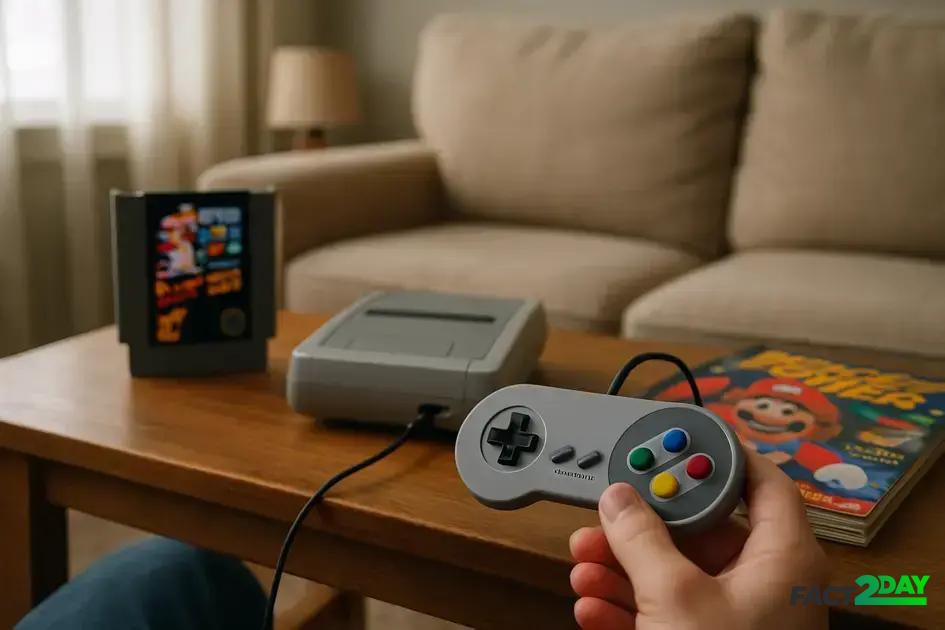
Mini consoles revival revitalizes classic gaming by combining nostalgia, compact design, and modern technology, making retro games easily accessible and appealing to new and longtime players.
Mini consoles revival invites us to revisit the simpler joy of classic games, wrapped in tiny devices that fit in our hands. Have you ever wondered why these small gadgets suddenly took center stage in living rooms around the world? Let’s explore that gentle wave of nostalgia together.
the origins of mini consoles and their rise
The origins of mini consoles trace back to the early 2010s, when companies began to revisit classic gaming systems in compact, modern forms. This trend kicked off with releases like the NES Classic Edition, which combined the beloved games of the past with updated hardware for a new generation of players.
Mini consoles gained popularity quickly because they offered an accessible way to enjoy retro games without the need for bulky original hardware or complicated setups. This convenience attracted both longtime fans eager to relive childhood memories and younger audiences curious about gaming history.
The rise of mini consoles also coincided with a growing nostalgia culture. People began valuing the simple, pixelated graphics and straightforward gameplay as a refreshing alternative to today’s complex game designs. Companies capitalized on this sentiment by producing devices that included preloaded classic titles and user-friendly interfaces.
Moreover, mini consoles appealed through their affordability and portability. Unlike original consoles that required cartridges or discs, these tiny devices often came with built-in games, making them plug-and-play for anyone. The compact size made it easy to set them up in living rooms or even take them on the go.
Overall, the origins and rise of mini consoles reflect a blend of advancing technology, cultural nostalgia, and consumer demand for simplicity. This combination has made mini consoles a significant presence in the gaming market today.
why nostalgia drives the mini console craze
Nostalgia plays a powerful role in the popularity of mini consoles. Many players grew up with classic games and hardware, creating strong emotional bonds that these devices help rekindle. When people pick up a mini console, they often relive memories of simpler times spent with family and friends.
Psychologically, nostalgia triggers positive feelings that can reduce stress and enhance mood. Mini consoles tap into these feelings by offering familiar games and designs that remind players of childhood joys.
The mini console craze also thrives on the desire to preserve gaming history. As original consoles become rare or fail over time, these compact devices offer an accessible way to experience iconic games again without hunting down vintage equipment.
Additionally, nostalgia motivates collectors and enthusiasts, who seek not only to play games but also to own pieces of gaming culture. This has led to a booming market for mini consoles as collectible items.
The social aspect is important as well — mini consoles bring people together for shared experiences, bridging generations. This connection fuels continued interest and excitement around these retro gadgets.
how mini consoles fit modern lifestyles
Mini consoles perfectly fit modern lifestyles by combining nostalgia with convenience. Their compact size makes them easy to set up in any room, taking up minimal space compared to traditional consoles. This suits today’s homes, where simplicity and tidiness are valued.
Portability is another key advantage. Many mini consoles are lightweight and easy to carry, allowing users to bring their favorite classic games to friends’ houses or even travel with them. This aligns well with the on-the-go nature of modern life.
Additionally, mini consoles often come with user-friendly features such as HDMI output for high-definition TVs and easy plug-and-play operation. This eliminates technical barriers for casual gamers and those less familiar with older gaming hardware.
The availability of preloaded games saves time and reduces the hassle of searching for cartridges or downloads. This appeals to busy individuals who want instant access to entertainment without complex setup.
Furthermore, mini consoles support social gaming experiences, often allowing multiple players to join in on a game night with family or friends. This blend of social interaction and convenience makes them relevant in today’s connected world.
the impact on collector communities
Mini consoles have made a significant impact on collector communities by breathing new life into classic gaming collections. Collectors appreciate the combination of modern technology with vintage aesthetics, which allows for easier preservation and display of gaming history.
Many collectors value mini consoles because they provide a legal and convenient way to experience classic games without hunting down rare cartridges or dealing with aging hardware. This encourages a new wave of interest in retro gaming culture.
The rise of mini consoles also promotes community building. Collector forums and social media groups share tips on unboxing, modding, and comparing different mini console models. This social aspect strengthens bonds among enthusiasts and introduces new members to the hobby.
Moreover, mini consoles often feature limited editions and special packaging, which become coveted items in the collector market. These exclusives can increase the perceived value and desirability among fans.
This revitalization of interest has led to increased auctions and sales of retro games and accessories, helping to sustain the value of original hardware and memorabilia within the collector community.
technical innovations behind mini consoles
Mini consoles incorporate several technical innovations that allow them to deliver a seamless retro gaming experience in a compact form. One key advancement is the use of emulation technology, which accurately replicates original game hardware through software. This enables mini consoles to run classic games on modern systems without needing physical cartridges.
Another important innovation is the integration of HDMI output, which provides high-definition video and audio signals. This upgrade ensures that vintage games look sharp and clear on today’s large screens, improving the visual experience without losing the classic charm.
Many mini consoles also feature flash memory to store multiple games internally. This eliminates the need for external media and simplifies game access with instant loading. The use of efficient processors helps keep the consoles small and energy-efficient while maintaining smooth gameplay.
Custom firmware and user interfaces make navigation through game menus easy and intuitive. Some devices even allow players to save game states, rewind gameplay, or adjust settings, enhancing usability beyond what original consoles offered.
Finally, support for modern controllers via USB or Bluetooth allows comfortable and familiar gameplay, blending old-school content with current hardware standards. These technical features combine to make mini consoles both nostalgic and practical for today’s gamers.
popular mini console models and features
Popular mini console models have become staples among gamers seeking nostalgia and convenience. The NES Classic Edition was one of the first hits, featuring 30 classic Nintendo games in a compact design that mimicked the original console. Its success sparked interest across the industry.
The Sega Genesis Mini followed, offering a library of beloved Sega titles with modern HDMI output and responsive controllers. Its plug-and-play simplicity made it accessible to both old fans and new players.
Another notable model is the PlayStation Classic, which brought Sony’s first console to a smaller scale. It included 20 preloaded games and featured two classic controllers that resembled the originals, appealing to fans of 90s gaming.
Many mini consoles share features such as internal memory for storing games, HDMI connectivity for high-definition output, and the ability to save or rewind gameplay. Some even allow firmware updates, expanding game libraries or improving performance over time.
Controllers are often designed to replicate the feel of the originals while offering modern enhancements like wireless connectivity or ergonomic improvements. This blend of classic design and new technology defines the appeal of popular mini consoles today.
the role of licensing and retro game libraries
The role of licensing is crucial in the success of mini consoles, as it determines which retro games can be legally included. Companies must acquire rights to classic titles from original developers or publishers, which can be a complex and lengthy process.
Retro game libraries are carefully curated to offer players a mix of popular hits and hidden gems. These collections preserve gaming history while ensuring variety and quality.
Licensing also affects the availability of certain games, with some titles excluded due to expired rights or disputes. This challenge pushes manufacturers to continuously negotiate deals and sometimes develop new remastered versions or compilations.
Moreover, officially licensed mini consoles contribute to the gaming ecosystem by supporting original creators through royalties. This helps fund future projects and maintains the value of vintage games.
Access to these libraries through mini consoles allows new generations of players to enjoy classic games conveniently and legally, fostering appreciation for gaming heritage and inspiring future innovation.
how mini consoles influence gaming culture today
Mini consoles have a strong influence on gaming culture today by bridging the gap between generations of gamers. They bring classic titles back into the spotlight, allowing both older players to revisit fond memories and younger gamers to discover foundational games.
This resurgence fosters a greater appreciation for the history and evolution of video games. Mini consoles encourage conversations about game design, storytelling, and the pioneering spirit that shaped today’s gaming industry.
They also promote social gaming experiences. Families and friends gather around these devices for shared play, strengthening bonds and creating new memories linked to vintage games in a modern context.
In addition, mini consoles have inspired indie developers to create games with retro aesthetics and gameplay mechanics. This blend of old and new influences keeps the gaming industry vibrant and diverse.
Collecting and modding mini consoles has also become a popular hobby, contributing to a vibrant community focused on customization and preservation. This culture supports a lasting interest in gaming as both an art form and a social activity.
environmental aspects of mini consoles
Mini consoles offer several environmental benefits compared to traditional gaming systems. Their small size means they require fewer raw materials to manufacture, reducing the overall environmental impact during production.
Energy efficiency is another important factor. Mini consoles consume significantly less power than full-sized consoles, which is better for both the environment and household energy bills.
Additionally, many mini consoles use integrated circuits and compact components that optimize performance while minimizing waste. This design approach supports sustainability without sacrificing user experience.
Some manufacturers also focus on eco-friendly packaging materials, aiming to reduce plastic use and promote recycling. These efforts contribute to lower carbon footprints and encourage responsible consumer habits.
By extending the life of classic games, mini consoles also reduce the demand for new game production, which has its own environmental costs. Preserving digital content helps limit the resource consumption associated with developing and distributing video games.
what the future holds for mini consoles
The future of mini consoles looks promising, with advances aimed at improving user experience and expanding gaming libraries. Developers are exploring ways to incorporate more games while maintaining the compact size that users love.
Technological enhancements like cloud gaming may become integrated, allowing players to access vast libraries without hardware limits. This would expand what mini consoles can offer beyond preloaded games.
Interactive features, such as online multiplayer and social connectivity, are expected to grow, making mini consoles more engaging for communities and casual players alike.
Environmental considerations will likely influence future designs, with an emphasis on sustainability, energy efficiency, and recyclable materials.
Customization and modular upgrades could allow users to personalize their mini consoles, adding storage or new controllers as preferences evolve. This would blend nostalgia with modern flexibility.
Overall, mini consoles will continue to celebrate classic gaming while adapting to modern technology and changing player needs, keeping them relevant for years to come.
Embracing the tiny joy of mini consoles
Mini consoles have brought classic gaming back into our homes in a way that’s simple, fun, and meaningful. They connect generations, preserve gaming history, and fit seamlessly into modern lifestyles.
With ongoing innovations and growing communities, their appeal continues to grow beyond nostalgia alone. Whether you’re a longtime fan or a new player, mini consoles offer a unique way to enjoy timeless games with friends and family.
As technology advances, these small devices are poised to keep classic games alive, adapting to new trends while honoring the past. Mini consoles truly show how a little nostalgia can make a big impact in the world of gaming.