Forest Zombies: Mushrooms That Turn Insects into Brainless Puppets
Discover how mind-controlling mushrooms manipulate insects into zombified puppets in this fascinating dive into nature's strangest parasitic tricks.
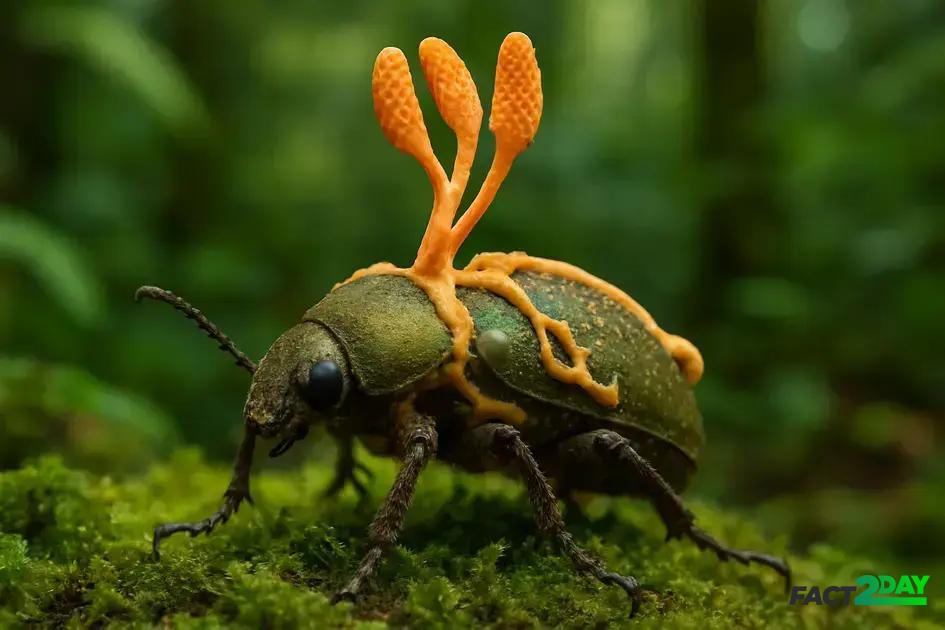
Mind-controlling mushrooms are parasitic fungi that manipulate insect behavior to spread spores, showcasing complex host control mechanisms with ecological and scientific significance.
Have you ever heard of mind-controlling mushrooms? These fascinating fungi actually take over insects, turning them into puppets without a brain of their own. Imagine a spider or an ant doing a strange dance dictated by a tiny mushroom! Let’s explore how this eerie natural phenomenon happens and why it matters.
What are mind-controlling mushrooms and how do they function?
Mind-controlling mushrooms are a type of parasitic fungi that infect insects and manipulate their behavior to benefit the fungus’ life cycle. These mushrooms release chemicals that affect the host’s nervous system, essentially turning insects into living puppets. After infection, the insect’s actions become controlled by the fungus, often forcing it to move to locations ideal for the mushroom’s growth and spore dispersal.
How the Process Works
The fungus spores land on an insect and begin to grow inside its body. As the fungus develops, it releases compounds that alter the insect’s brain functions. This manipulation causes the insect to leave its normal habitat and climb to elevated spots like plant stems or leaves. There, the insect usually clamps down and dies, providing a perfect platform for the mushroom to sprout and spread spores.
Types of Mind-Controlling Mushrooms
One famous example is the Ophiocordyceps genus, sometimes called “zombie fungi.” It infects ants and other insects, causing dramatic changes in movement and behavior. Different fungi target specific insect species, each having evolved unique ways to control their hosts and maximize their reproductive success.
Impact on Ecosystems
These fungi play an essential role in forest ecosystems by regulating insect populations and contributing to nutrient cycles. By controlling insect behavior, they affect food webs and influence biodiversity, showing a fascinating balance between parasitism and environmental health.
The science behind parasitic fungi altering insect behavior
The science behind parasitic fungi altering insect behavior focuses on how fungi interfere with the host’s brain function. These fungi produce chemical compounds that affect nerve signals, changing how insects move and respond to their environment. This manipulation is precise and often results in specific behaviors that benefit the fungus.
Neurochemical Manipulation
Fungi secrete substances that mimic or disrupt normal neurotransmitters in the insect’s brain. These chemicals can override the insect’s natural instincts, forcing it to act differently. For example, a fungus may cause an ant to leave its colony and climb to a high point, a behavior not typical for the insect.
Gene Expression Changes
Recent studies show that parasitic fungi can alter the gene expression in their hosts. This means the fungus can turn certain genes on or off to control the insect’s muscles and nervous system more effectively. This deep level of control ensures the insect survives long enough to spread fungal spores.
Behavioral Patterns Specific to Fungi
Different fungi induce unique behaviors in insects. Some cause twitches, others force the insects to bite onto leaves or branches tightly. These actions help maximize fungal reproduction. Researchers continue to explore how exactly fungi achieve such targeted manipulation without killing the host prematurely.
Understanding this science provides insights into parasite-host interactions and shows the complexity of natural control systems that have evolved over millions of years.
Examples of insects affected by mind-controlling mushrooms
A variety of insects fall victim to mind-controlling mushrooms, each affected in unique ways. One of the most well-known examples is the Ophiocordyceps unilateralis, a fungus that infects carpenter ants. It forces the ant to leave its colony, climb vegetation, and bite down hard on a leaf vein before dying. This behavior helps the fungus spread its spores effectively.
Insects Commonly Infected
Besides ants, other insects targeted include spiders, caterpillars, and even flies. For example, some fungi manipulate spiders to build unusual webs that support fungal growth. Caterpillars may be compelled to seek out humidity and locations ideal for fungal development.
Species-Specific Effects
Each fungus tends to specialize in particular insect hosts. The behavior changes are tailored to increase the fungus’s reproduction. Infected insects often display erratic movements before succumbing to the fungus and becoming platforms for new fungal structures.
Importance of Host Specificity
This host specificity reveals a remarkable evolutionary relationship. The fungi and insects have co-evolved, with fungi perfecting their control mechanisms to exploit their hosts fully without killing them too quickly.
How fungi manipulate the nervous systems of their hosts
Fungi manipulate the nervous systems of their insect hosts by releasing special chemicals that interfere with brain function. These chemicals mimic neurotransmitters, the messengers that nerves use to communicate, effectively hijacking the insect’s control over its own body.
Chemical Influence on Behavior
Once inside the host, the fungus secretes compounds that alter nerve signals, causing the insect to behave in unusual ways. This may include increased activity, climbing to high locations, or biting down tightly on plants to secure itself before death.
Targeting Specific Brain Areas
Research suggests fungi target certain brain regions to control motor functions and decision-making. This precise manipulation helps the fungus ensure the insect performs actions that favor fungal growth and spore dispersion.
Fungal Growth and Nervous System Interaction
Besides chemicals, fungi physically grow inside the host’s body, sometimes extending into neural tissue. This direct interaction may further enhance control, as the fungus alters muscle responses and reflexes.
Understanding how fungi manipulate nervous systems sheds light on complex parasite-host relationships and the fascinating ways nature evolves survival strategies.
The ecological role of these brain-controlling mushrooms
Brain-controlling mushrooms play an important role in ecosystems by helping regulate insect populations. By infecting certain insects and manipulating their behavior, these fungi control population sizes and prevent outbreaks that could harm plants and other animals.
Maintaining Balance in Food Webs
These fungi influence food webs by affecting the availability of insect prey. When infected insects alter their habits or die in specific locations, they become food for other animals or help cycle nutrients back into the soil, supporting plant growth.
Promoting Biodiversity
By keeping dominant insect species in check, brain-controlling fungi allow other species to thrive. This helps maintain diverse communities within forests and other habitats, fostering resilience and ecosystem health.
Enhancing Nutrient Cycling
The death of infected insects often enriches the soil with organic matter, which supports fungal growth and benefits plants. This nutrient cycling is a key part of forest ecosystems and contributes to long-term sustainability.
Understanding the ecological role of these fungi shows how intricate relationships shape natural environments and highlights the importance of parasitic species in maintaining ecosystem stability.
Historical discoveries and studies on parasitic fungi
Scientific interest in parasitic fungi dates back to the 19th century, when naturalists began documenting strange behaviors in infected insects. Early studies focused on identifying the fungi responsible and observing the effects on insect hosts.
Key Discoveries
One of the first detailed descriptions was by Alfred Russel Wallace, who noted infected ants biting plants before dying. Later, mycologists classified fungi such as Ophiocordyceps unilateralis, linking them to these behaviors. These findings challenged scientists to explore fungi beyond simple decomposers.
Development of Research Techniques
Advances in microscopy and molecular biology enabled researchers to study fungal spores, growth patterns, and genetic makeup in detail. Studies revealed how fungi manipulate host nervous systems, opening new fields in neurobiology and parasitology.
Modern Research and Applications
Contemporary scientists use genetic sequencing and imaging technology to understand fungal-host interactions better. These studies also inspire potential applications in medicine and pest control, leveraging fungi’s natural abilities.
The history of parasitic fungi research highlights a journey from curiosity to cutting-edge science, deepening our knowledge of ecological relationships.
The life cycle of mind-controlling mushrooms
The life cycle of mind-controlling mushrooms begins with spores landing on an insect host. Once a spore attaches, it germinates and starts growing inside the insect’s body. The fungus gradually spreads, taking over the host’s tissues and nervous system.
Infection and Manipulation
As the fungus grows, it produces chemicals that alter the insect’s behavior. This manipulation causes the insect to move to an ideal location, often high on plants, where fungal growth and spore distribution will be most effective.
Host Death and Fruiting Body Formation
Eventually, the fungus kills the insect. The mushroom’s fruiting body then emerges from the insect’s remains, typically from the head or back, and releases new spores into the environment to infect other hosts.
Spores Dispersal and Environmental Spread
Spores are carried by wind or contact to new insects, continuing the cycle. The success of this life cycle depends on the fungus’s ability to control host behavior and find suitable environments for growth.
This complex cycle highlights the fascinating relationship between parasitic fungi and their insect hosts, showcasing nature’s intricate survival strategies.
How infected insects help spread the fungi spores
Infected insects play a crucial role in spreading fungi spores by acting as carriers during their manipulated movements. When under the control of parasitic fungi, insects are compelled to climb to elevated areas such as leaves, branches, or twigs. This elevated position enables the fungus to release spores into the air more effectively.
Behavioral Changes Aid Spore Dispersal
Fungal manipulation causes insects to engage in behaviors that maximize spore dispersal. For example, ants infected by Ophiocordyceps climb plants and latch onto veins with a strong bite. Once the insect dies in this spot, the fungus grows fruiting bodies that release spores, which are then carried by wind or other insects.
Enhanced Reach Through Movement
Before the insect dies, its movement while infected helps spread spores over a wider area. The insects act as living bridges, carrying spores to new locations and hosts. This is essential for the fungus’s reproductive success and survival.
Spore Release and Environmental Impact
Once the fruiting body matures, spores are released into the environment in a dispersed pattern. These spores settle on the forest floor or on other insects, starting the infection cycle anew. This process helps regulate insect populations and maintains ecological balance.
Different species of fungi known for mind control
Several species of fungi are known for their ability to control the behavior of insect hosts. Among the most famous is the Ophiocordyceps unilateralis, often referred to as the “zombie-ant fungus,” which specifically targets ants and manipulates them to spread fungal spores effectively.
Ophiocordyceps Genus
This genus includes many species that infect a variety of insect hosts. They often cause hosts to climb vegetation and lock their jaws onto leaves or stems before dying, allowing the fungus to grow out of the host and release spores.
Entomophthora muscae
This fungus infects flies and causes them to display climbing behavior before death. It manipulates host muscles and nervous systems to hold its final position, enabling spore dispersal.
Strongwellsea Species
Known to infect adult flies, fungi in this genus form large holes in the host’s abdomen from which spores are released while the fly is still alive, enhancing fungal spread.
Massospora Genus
These fungi infect cicadas and cause the loss of genital segments, leading to altered mating behaviors that facilitate spore transmission.
Each fungi species has evolved unique mechanisms to exploit their insect hosts, highlighting the diversity and complexity of parasitic mind control in nature.
The evolutionary advantages of behavior manipulation
Behavior manipulation by parasitic fungi offers several evolutionary advantages that help fungi survive and reproduce effectively. By controlling their hosts, fungi increase the chances that spores will be dispersed in optimal environments, boosting the fungus’s life cycle success.
Maximizing Spore Dispersal
Manipulated behavior forces infected insects to move to locations ideal for fungal growth and spore release, such as elevated or exposed spots. This strategic positioning increases spore reach and transmission to new hosts.
Reducing Competition
By targeting specific hosts and controlling their actions, fungi avoid wasting resources by allowing the host to perform behaviors that directly support fungal development and reproduction.
Enhancing Survival Rates
Behavioral changes can also help infected hosts avoid predators or environmental dangers until the fungus is ready to release spores, increasing the likelihood of successful fungal maturation.
Co-Evolution with Hosts
Over millions of years, fungi and their insect hosts have co-evolved. Fungi have refined their manipulation tactics to optimize control without killing hosts prematurely, balancing parasite needs with host survival long enough to complete the life cycle.
These evolutionary strategies highlight nature’s complex and fascinating adaptations for survival through behavior manipulation.
Comparing mind-controlling fungi to other parasites
Mind-controlling fungi are a fascinating type of parasite that differ from other parasites in unique ways. Unlike parasites that simply feed on their hosts or live inside them, these fungi actually manipulate host behavior to enhance their own reproduction.
Parasitic Behavior vs. Mind Control
Most parasites harm their hosts by consuming nutrients or causing diseases. Mind-controlling fungi, however, go further by altering the nervous system to control movement and actions. This level of control is rare among parasites.
Examples of Behavior-Manipulating Parasites
Besides fungi, some parasites like the lancet liver fluke force ants to climb plants, increasing chances of being eaten by grazing animals. Certain parasites also alter fish behavior to become easy prey for birds, completing their life cycle.
Fungal Control vs. Other Parasites
The main difference lies in the mechanism. Fungi grow inside the host and release chemicals that directly affect the brain. Other parasites primarily rely on biochemical or physical effects, with limited behavioral control.
Ecological Impact and Evolution
Both fungi and other parasites impact ecosystems by controlling host populations. However, mind-controlling fungi showcase a sophisticated evolutionary strategy, intertwining host manipulation with reproductive success more intricately.
Understanding these differences informs ecology and helps scientists explore biological control solutions for pests.
Possible uses of mind-controlling fungi in science and medicine
Mind-controlling fungi present exciting possibilities for science and medicine due to their unique ability to influence nervous systems. Researchers study these fungi to understand how their chemical compounds could be applied in treating neurological disorders or developing new drugs.
Potential Medical Applications
Some fungal chemicals may help in designing medicines for brain diseases such as Alzheimer’s or Parkinson’s by targeting specific neural pathways. Understanding how fungi alter behavior could unlock new approaches to managing mental health.
Biological Pest Control
Mind-controlling fungi may offer eco-friendly ways to control harmful insect populations in agriculture. By using these fungi, farmers could reduce reliance on chemical pesticides, promoting sustainable farming practices.
Neurobiology Research
These fungi serve as models for studying nerve function and host-parasite interactions. Insights gained can advance neuroscience, helping explain how brain chemistry affects behavior and how parasites evolve complex control mechanisms.
The unique traits of mind-controlling fungi make them valuable not only for ecological studies but also for future innovations in medicine and agriculture.
Debunking myths and facts about fungi brain control
There are many myths about fungi that control insect brains, but understanding the facts helps separate science from fiction. One common myth is that these fungi completely take over the insect’s mind like a remote control, but the reality is more complex.
Myth: Fungi Fully Control the Host
While fungi manipulate behavior, they don’t have a direct remote-control ability. Instead, they affect the host’s nervous system through chemicals, which influence rather than fully direct actions.
Fact: Behavior Changes Benefit the Fungus
Research shows that behavioral changes improve fungal survival and reproduction, like forcing insects to move to ideal spots for fungal growth and spore release.
Myth: All Brain-Control Fungi Infect All Insects
Fungi are often host-specific, meaning they infect particular insect species. This specificity is essential for effective manipulation and lifecycle completion.
Fact: Natural Balance Maintained
These fungi play important ecological roles, controlling insect populations and supporting biodiversity rather than causing widespread harm.
Understanding these myths and facts clarifies how parasitic fungi influence insect behavior and underscores the delicate balance within ecosystems.
Understanding mind-controlling mushrooms and their impact
Mind-controlling mushrooms reveal a fascinating natural strategy where parasitic fungi manipulate insect behavior to complete their life cycle. These interactions show how complex and interconnected life forms can be in ecosystems.
Learning the science behind these fungi helps us appreciate their ecological roles, from controlling insect populations to contributing to nutrient cycling. Although surrounded by myths, research continues to uncover how these fungi operate and their potential uses in science and medicine.
By exploring these unique organisms, we gain insight into the delicate balance of nature and the innovative ways life evolves to survive and thrive.