The Invisible Threat: Understanding the Pervasive Impact of Microplastics
Explore how microplastics in environment silently shape ecosystems and human health, revealing an urgent yet often overlooked environmental crisis.
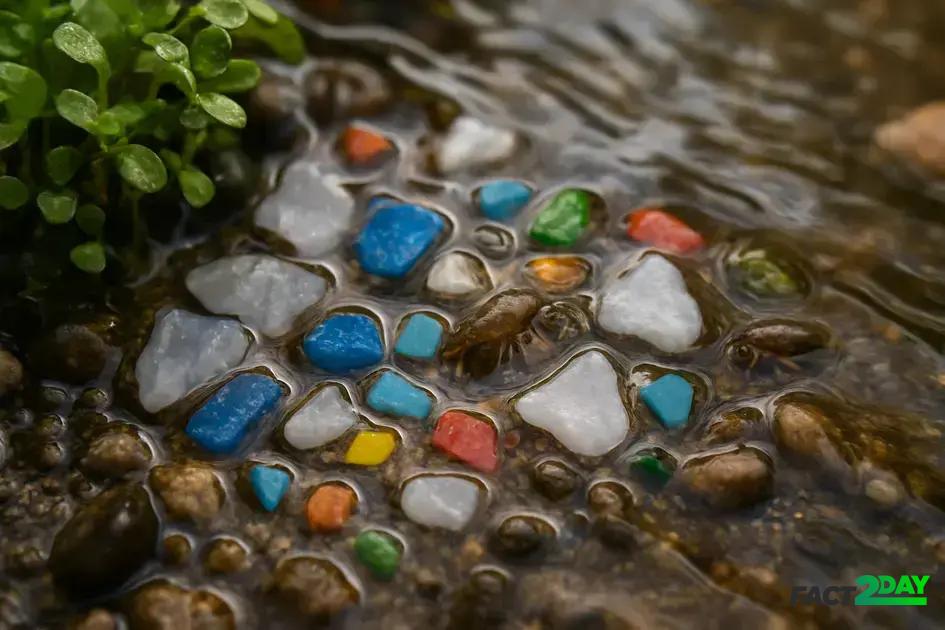
Microplastics in the environment are tiny plastic particles originating from fragmented plastics and consumer products. They pose a significant threat to ecosystems, wildlife, and human health through ingestion, pollution, and the transport of toxins.
Microplastics in the Environment: The Invisible Threat and Its Profound Ramifications
The modern world, driven by the convenience and comfort of synthetic materials, faces an unprecedented environmental challenge: the proliferation of microplastics in the environment.
More than just visible waste, these microscopic particles represent a silent yet persistent threat, whose ramifications extend through entire ecosystems and, increasingly, reach living organisms, including humans. Understanding the nature, origins, impacts, and solutions for this problem is fundamental for planetary health and for future generations.
1. Understanding Microplastics: Definition, Classification, and Sources
To unravel the complexity of microplastics, it is crucial to first define and classify them, as well as identify their multifaceted sources.
1.1. What Are Microplastics?
Microplastics are defined as plastic particles with a size of less than 5 millimeters. However, this is a broad definition that encompasses a vast range of sizes, shapes, and compositions.
Recently, attention has also turned to nanoplastics, even smaller particles (below 1 micrometer), whose ability to penetrate biological barriers and tissues is even greater, and whose impacts are less understood.
1.2. Classification of Microplastics: Primary and Secondary
The origin of microplastics can be divided into two main categories:
Primary Microplastics:
These are plastic particles intentionally manufactured to be micro-sized, used in various products. They include:
- Microbeads: Tiny plastic spheres used in personal care products and cosmetics (facial exfoliants, toothpastes), as well as in industrial cleaning agents and medical applications. Although many countries have already banned their use in cosmetics, their legacy still persists.
- Pellets (Nurdles): These are raw plastic resins, in the form of granules or small beads, which serve as raw material for the plastics industry. They can be accidentally spilled during transport or processing, contaminating rivers and oceans.
- Textile Fibers: Synthetic fibers (polyester, nylon, acrylic) that shed from clothing during washing, especially in washing machines. It is estimated that millions of microfibers are released with each wash cycle.
- Plastic Powders: Used in paints, coatings, and some industrial products.
Secondary Microplastics:
These result from the degradation of larger plastics already present in the environment. The action of factors such as ultraviolet radiation (sunlight), waves, wind, mechanical abrasion (friction), and biological processes fragments the plastic into increasingly smaller pieces. Common examples include:
- Fragments of plastic bags, PET bottles, food packaging.
- Pieces of fishing nets and aquaculture equipment lost or abandoned.
- Tire particles (tire dust) resulting from road abrasion.
- Fragments of paints and coatings from buildings and vessels.
1.3. Detailed Sources of Release into the Environment
The journey of microplastics into the environment is complex, with multiple entryways:
- Textile Fiber Release: The shedding of microfibers from synthetic clothing during washing is one of the main sources of primary microplastics that enter wastewater treatment systems. Not all treatment plants can retain these tiny particles, resulting in their release into rivers, lakes, and oceans.
- Tire Wear: The abrasion of vehicle tires on roads releases a significant amount of microplastics in the form of rubber dust (which contains plastic polymers). This dust is washed by rain into storm drains and subsequently into water bodies.
- Personal Care Products and Cosmetics: Despite bans in many countries, microbeads continue to be a worrying source, as they are directly washed down the drain.
- Fragmentation of Large Plastic Waste: Poor solid waste management is a massive source of secondary plastics. Plastic waste improperly disposed of in open dumps, beaches, or directly in nature is exposed to weathering and fragments over time.
- Fishing and Aquaculture Industry: Lost or abandoned fishing nets, ropes, buoys, and other plastic equipment at sea (known as “ghost fishing gear”) are a significant source of microplastics as they degrade.
- Agriculture: The intensive use of plastic films (mulch film) in agriculture to retain moisture and control weeds leads to their fragmentation in the soil. Furthermore, the application of sewage sludge (biosolids) as fertilizer can introduce microplastics into the soil, as these may be present in domestic sewage.
- Atmospheric Transport: Recent studies show that microplastics are also transported by air, depositing in remote locations such as mountains and polar regions, demonstrating the ubiquitous nature of this contamination. Particles from cities, industries, and agriculture can be airborne over long distances.
- Wear of Paints and Coatings: Abrasion of plastic paints on buildings, boats, and vehicles releases microparticles into the environment.
2. The Impact of Microplastics on Ecosystems and Wildlife
The widespread presence of microplastics in all environmental compartments – oceans, freshwaters, soils, and even the air – has alarming consequences for biodiversity and ecosystem functioning.
2.1. Ingestion and Its Physical Effects
The most immediate and visible effect is the ingestion of microplastics by wildlife. Organisms at all trophic levels, from microscopic zooplankton to large marine mammals, are consuming microplastics.
- Blockage and Physical Damage: Plastic particles can cause blockage of the digestive tract, leading to false satiety (a feeling of fullness that inhibits the search for real food), reduced food intake, physical damage to intestinal walls, and, in severe cases, death by starvation.
- Reduced Nutrient Absorption: Even without complete blockage, the presence of plastics in the digestive system can reduce an organism’s ability to absorb essential nutrients.
2.2. Chemical Contamination and Toxicity
One of the most insidious impacts of microplastics is their ability to act as vectors for the transfer of toxic chemical substances.
- Pollutant Adsorption: The surface of microplastics is chemically suitable for adsorbing persistent organic pollutants (POPs) – such as PCBs (polychlorinated biphenyls) and DDT (dichlorodiphenyltrichloroethane) –, pesticides, pharmaceuticals, and heavy metals present in water or soil. Once ingested, these pollutants can desorb in the animal’s digestive tract, releasing them into the organism.
- Leaching of Chemical Additives: Plastics themselves contain chemical additives (plasticizers like phthalates, flame retardants, bisphenol A – BPA, dyes) that leach into the environment or directly into the animal’s organism after ingestion. Many of these additives are known to be endocrine disruptors, neurotoxic, or carcinogenic.
- Physiological Effects: Exposure to these chemicals can lead to a range of health problems in animals, including reproductive dysfunction, liver damage, oxidative stress, alterations in the immune and hormonal systems, and developmental impacts.
2.3. Specific Impact on Different Compartments and Organisms
Marine Ecosystems:
These are the most studied due to the massive accumulation of plastic in the oceans.
- Plankton: The base of the marine food chain, both phytoplankton and zooplankton, ingest microplastics. This can affect their photosynthesis capacity and survival, impacting the entire trophic chain.
- Invertebrates: Bivalves (mussels, oysters) and other filter feeders accumulate large quantities of microplastics. Crustaceans and annelids are also affected.
- Fish: Both small and large fish are found with microplastics in their digestive systems, gills, and tissues.
- Seabirds and Marine Mammals: Many species, including albatrosses, seals, and whales, ingest microplastics directly or through their contaminated prey, leading to significant impacts on health and population.
Freshwater Ecosystems:
Rivers, lakes, and reservoirs are also widely contaminated by microplastics, affecting freshwater fish, aquatic insects, and migratory birds.
Soils and Terrestrial Ecosystems:
Soil is a major sink for microplastics, coming from agriculture (plastic films, biosolids), atmospheric deposition, and urban waste.
- Soil Health: Microplastics can alter the physical structure of the soil (density, aeration, water retention capacity), affect microbial activity and nutrient cycling, and impact soil biota (worms, insects).
- Plant Uptake: There is evidence that micro- and nanoplastics can be absorbed by plant roots and translocated to stems and leaves, raising concerns about the contamination of the terrestrial food chain.
- Terrestrial Animals: Animals that consume contaminated plants or feed in the soil (birds, rodents, livestock) are exposed to microplastic ingestion.
Atmospheric Transport:
The presence of microplastics in the air is an exposure pathway for both terrestrial and aquatic ecosystems (via wet and dry deposition), and for human health.
2.4. Bioaccumulation and Biomagnification
The major concern is the potential for bioaccumulation (the accumulation of toxic substances in an organism over time) and biomagnification (the increase in the concentration of these substances at higher trophic levels of the food chain).
Although the biomagnification of microplastics per se is still being researched and not fully proven as it occurs with dissolved chemical pollutants, the bioaccumulation and transfer of adsorbed chemicals (and the additives themselves) between trophic levels are highly probable and worrying scenarios. This means that predators at the top of the chain may be exposed to higher concentrations of microplastics and associated chemicals.
3. Impact of Microplastics on Human Health
The ubiquity of microplastics raises pressing questions about human exposure and potential health risks. We are ingesting and inhaling microplastics regularly, through various pathways.
3.1. Pathways of Human Exposure
Ingestion Through Food:
- Seafood: Especially bivalve mollusks (oysters, mussels) and crustaceans, which are consumed whole, are a significant source. Fish also contain microplastics.
- Salt: Sea salt and rock salt have been identified as containing microplastics.
- Drinking Water: Microplastics have been found in tap water worldwide, as well as in bottled water.
- Other Foods: There is evidence of microplastics in beer, honey, sugar, and even in vegetables and fruits, due to absorption by plants in contaminated soils.
Inhalation Through Air:
Microplastics are found in indoor air (from clothes, carpets, furniture) and outdoor air, especially in urban environments and near industrial sources. People inhale these particles daily.
Dermal Contact:
Although less studied, skin contact with products or surfaces containing microplastics can also be an exposure route.
3.2. Potential Effects on Human Health (Under Research)
Research on the effects of microplastics on human health is still in its early stages, and most studies have been conducted on animal models or in vitro. However, the precautionary principle suggests the need for urgent investigation and preventive action. Potential risks include:
- Inflammation and Physical Damage: Particles can cause local inflammation in organs, especially in the gastrointestinal tract or lungs. Nanoplastics, being smaller, have the potential to cross cell membranes and biological barriers (such as the blood-brain barrier), distributing throughout tissues and organs.
- Release of Chemical Additives: As seen in wildlife, chemical additives present in plastics can leach and act as endocrine disruptors (affecting hormones and reproductive systems), neurotoxic, or even carcinogenic. Examples include phthalates, bisphenol A (BPA), and PBDEs (polybrominated diphenyl ethers).
- Transport of Pathogens: The surface of microplastics can serve as a substrate for the formation of microbial biofilms, transporting potentially dangerous bacteria, viruses, and other pathogens.
- Immune Responses: The presence of foreign particles in the body can trigger immune responses, although the nature and extent of these responses are still under investigation.
- Oxidative Stress: Some studies suggest that microplastics can induce oxidative stress in cells, leading to cellular damage.
It is important to emphasize that most studies have not yet established a direct and conclusive causal relationship between exposure to environmental levels of microplastics and specific diseases in humans. However, the growing evidence of their presence in all body systems and the mechanisms of toxicity observed in other species justify the urgency of research and the adoption of preventive measures.
4. Detection and Monitoring of Microplastics
The invisibility of microplastics to the naked eye makes their detection and monitoring a complex challenge, which requires advanced and constantly improving methodologies.
4.1. Sampling Methods
- Water: Water samples are collected using fine-mesh nets (Manta Trawl for surface, pumps for depth) or direct filtration.
- Sediments: Collections of sediments in rivers, lakes, and oceans.
- Air: Air samples are collected using air filters or deposition methods (Petri dishes).
- Biota: Analysis of tissues or gastrointestinal content of living organisms.
- Food and Beverages: Processing and extraction of microplastics from samples of salt, bottled water, seafood, etc.
4.2. Analytical Techniques
Once samples are collected, the identification and quantification of microplastics require sophisticated laboratory techniques:
- Microscopy (Optical and Electron): Allows visualization, counting, and measurement of particles. Electron microscopy (SEM) offers high resolution and can be combined with X-ray spectroscopy for elemental analysis.
- Vibrational Spectroscopy (FTIR and Raman): Essential for identifying the type of polymer (polyethylene, polypropylene, PET, etc.). These techniques analyze the interaction of light with the chemical bonds of the particle, producing a unique molecular “fingerprint” for each polymer.
- Gas Chromatography-Mass Spectrometry (Py-GC/MS): A powerful technique for identifying polymers and plastic additives, especially for very small particles or for determining plastic mass.
- Thermogravimetric Analysis (TGA): Used to determine the composition of a sample, including the proportion of plastic, through thermal decomposition.
4.3. Challenges in Standardization
The lack of globally standardized sampling and analysis methodologies is a major challenge for comparing data between different studies and regions. This hinders an accurate assessment of the global extent of contamination and impacts. Efforts are being made to develop universal protocols.
5. Mitigation Strategies: Reduction, Management, and Innovation
Addressing the microplastic crisis requires a multifaceted approach, involving policies, industrial innovations, waste management, and individual behavioral changes.
5.1. Policies and Legislation
- Microbead Bans: Many countries, including Brazil, have implemented bans on the use of microbeads in cosmetics and personal care products, an important step to eliminate a primary source.
- Single-Use Plastic Regulations: Bans or taxes on plastic bags, straws, cups, and other disposable items. This reduces the amount of macroplastics that can fragment into microplastics.
- Extended Producer Responsibility (EPR): Programs that require manufacturers to be responsible for the full life cycle of their products, including collection and recycling, encouraging design for circularity.
- Nurdle Loss Legislation: Implementation of measures to prevent nurdle spills from industry and transport.
- International Agreements: Efforts towards a global treaty on plastic pollution, aiming at cross-border cooperation and harmonization of regulations.
5.2. Industrial Innovation and Alternative Materials
- Ecodesign: Development of plastic products with a longer lifespan that can be easily recycled or reused, and that minimize fragmentation.
- Sustainable Alternative Materials: Research and development of biodegradable polymers (which decompose completely into natural substances under specific environmental conditions) and bio-based materials (made from renewable biomass, but not always biodegradable). Rigorous evaluation is crucial to avoid “solutions” that create new problems.
- Recycling Improvement: Investment in advanced recycling technologies (chemical and mechanical) to increase plastic recovery rates and ensure that recycled material is of high quality.
5.3. Improved Waste Management
- Recycling Infrastructure: Expansion and modernization of selective collection and recycling facilities.
- Wastewater Treatment: Improvement of sewage treatment systems to effectively remove microplastics (especially microfibers) before treated water is released into the environment. Tertiary treatment technologies (membrane filtration, ozonation) show promise.
- Leakage Prevention: Implementation of measures to prevent plastic litter from reaching the oceans, such as river cleanup systems and beach and coast cleaning.
- Waste-to-Energy: As a last resort for non-recyclable plastics, controlled incineration with energy recovery can reduce waste volume, but must be done with emissions control.
5.4. Individual Actions and Awareness
- Reduce Plastic Consumption: Prioritize products without plastic packaging, use reusable bags, water bottles, and coffee cups.
- Conscious Textile Consumption: Opt for clothing made from natural fibers (cotton, linen, wool) or buy fewer synthetic clothes. Use washing machine filters to retain microfibers.
- Choose Microbead-Free Cosmetics: Verify labels and avoid products with “polyethylene (PE), polypropylene (PP), polyethylene terephthalate (PET), polymethyl methacrylate (PMMA) or nylon”.
- Correct Disposal: Separate waste for recycling and ensure that general waste is disposed of in appropriate locations to prevent it from entering nature.
- Participate in Cleanups: Engage in beach, river, and park cleanup initiatives.
- Education and Advocacy: Inform yourself and educate others about the microplastic problem and support public policies aimed at reducing plastic pollution.
6. Global Scope and Economic Implications
The microplastic problem transcends borders. Ocean currents and winds transport these particles across the globe, making it a challenge that requires international collaboration. Regions that do not contribute significantly to plastic pollution can still be severely impacted by it.
From an economic perspective, microplastics generate considerable costs. They affect the fishing industry (depleting stocks, damaging equipment), tourism (polluted beaches and marine environments deter visitors), and require increasing investment in cleanup and water treatment. The long-term public health costs are still uncertain but can be substantial.
7. Research Gaps and Future Directions
Despite advances, many questions still persist. Future research needs to focus on:
- Nanoplastics: Improve detection and understand their ecotoxicological and human health impacts.
- Food Chain Transfer: Quantify the biomagnification of microplastics and associated chemicals.
- Chronic and Low-Dose Effects: Understand the impacts of long-term exposure to environmental levels.
- New Sources: Identify and quantify other less obvious sources of microplastics (e.g., from civil construction, agriculture).
- Technological Solutions: Develop and test more efficient technologies for removing microplastics from wastewater and for remediating contaminated soils and water bodies.
Conclusion: A Challenge for Our Generation
Microplastics in the environment represent a testament to our unsustainable use of resources and our lack of foresight regarding long-term consequences. However, the growing recognition of this global problem is the first step towards change.
The solution does not lie in a single action, but in a combination of efforts on multiple fronts: from scientific and technological innovation, through robust government policies, to individual and collective awareness and behavioral change.
Our ability to face the invisible threat of microplastics will be a test of our environmental responsibility and our commitment to bequeathing a healthy planet to future generations. It is an urgent call to action, so that what is currently a silent threat does not become an irreversible catastrophe.