How Our Microbiome Shapes Health and Behavior
Microbiome influence shows how tiny organisms in our body impact health and behavior in surprising everyday ways. Discover the unseen connections.
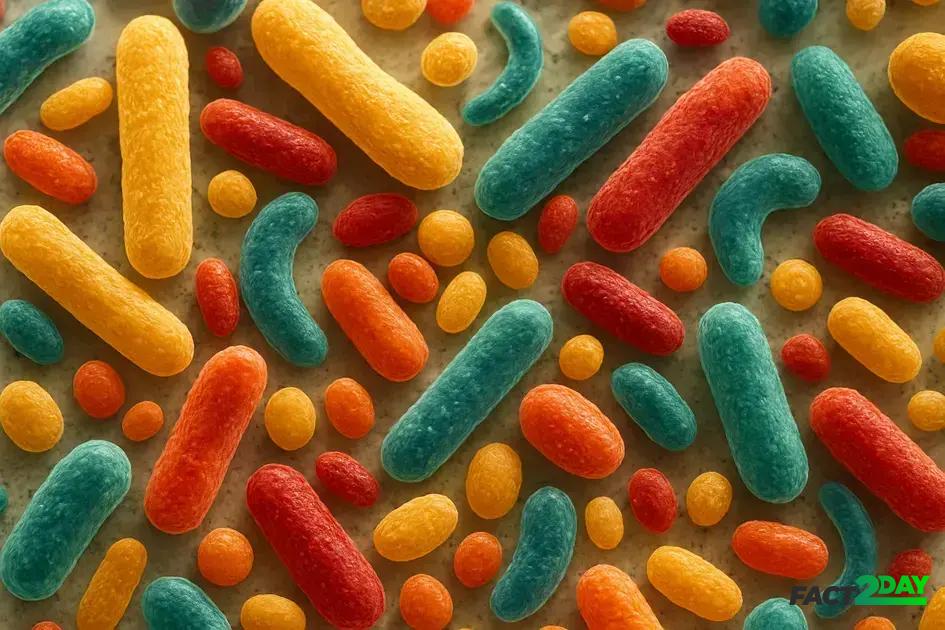
microbiome influence health refers to how the trillions of microbes in our bodies affect digestion, immunity, mental health, and behavior by interacting with bodily systems and maintaining balance essential for overall well-being.
Have you ever wondered how the tiny organisms living inside you affect your daily life? The microbiome influence goes beyond digestion, shaping both health and behavior in ways science is just beginning to understand.
What is the microbiome and why it matters
The microbiome refers to the community of trillions of microorganisms, including bacteria, viruses, fungi, and other microbes, that live in and on our bodies. These tiny organisms are found in places like our gut, skin, mouth, and even the lungs. Far from being just passive passengers, they play crucial roles in maintaining our health.
One key reason the microbiome matters is its impact on the immune system. The microbes help train our body’s defenses to recognize harmful invaders while also preventing excessive inflammation. This balance is vital to protect against infections and autoimmune conditions.
Beyond immunity, the microbiome influences digestion by breaking down complex foods and producing essential nutrients and vitamins. It also communicates with the brain through the gut-brain axis, affecting mood and behavior.
Maintaining a diverse and balanced microbiome is important for overall wellness. Factors like diet, environment, antibiotics, and lifestyle can affect this delicate ecosystem. Understanding what the microbiome is and why it matters helps us take informed steps toward better health and resilience against diseases.
The connection between microbiome influence health and immune system
The microbiome plays a vital role in shaping and supporting the immune system. The vast collection of microbes interacts with immune cells to help the body distinguish between harmless substances and potential threats. This relationship ensures the body’s defenses react appropriately without overreacting.
Microbiome’s role in immune education
During early development, the microbiome aids in training immune cells to recognize friendly microbes versus harmful pathogens. This process reduces the risk of allergies, infections, and autoimmune diseases later in life.
Barrier protection and inflammation control
The microbiome supports the skin and gut lining, forming a natural barrier that blocks harmful invaders. It also helps regulate inflammation by producing molecules that calm the immune response, balancing protection with preventing tissue damage.
Disruption of this microbial balance, such as through antibiotics or poor diet, can weaken immune defenses, increasing susceptibility to infections and immune-related disorders. A healthy microbiome promotes a robust, well-regulated immune system essential for overall health.
Microbiome’s role in mental health and mood
The human microbiome influence health plays a crucial role in our overall health, impacting everything from digestion to mental well-being. Recent studies have highlighted the fascinating interplay between our gut microbiota and various aspects of our health.
Interestingly, just as some organisms, like bioluminescent animals, have evolved unique adaptations for survival, our microbiome has tailored itself to optimize our health. These microbial communities can influence inflammation, immunity, and even how our bodies respond to certain foods, mirroring the dynamic nature of bioluminescence in adapting to environmental changes.
Microbiome Influence on Health
The human microbiome, a complex and diverse community of microorganisms, significantly affects our physical and mental health. Recent research illustrates how our gut health can influence metabolic processes, immune responses, and even our mood.
For instance, consuming certain foods like dark chocolate can not only be a delightful treat but also offers benefits for heart health. According to a study on chocolate and its heart health benefits, the bioactive compounds in chocolate can interact with the microbiome influence health, encouraging the growth of beneficial bacteria that contribute to cardiovascular health.
Influence on anxiety and depression
Studies show that imbalances in the microbiome can increase inflammation and stress responses, contributing to anxiety and depression symptoms. Restoring a balanced microbiome may help reduce these effects naturally.
Microbial production of mood-related chemicals
Certain bacteria synthesize compounds that impact brain function, such as gamma-aminobutyric acid (GABA), which has calming effects. This highlights the critical role microbes play beyond digestion.
Diet and lifestyle choices can influence mental health by altering the microbiome influence health. Foods rich in fiber and fermented products support beneficial bacteria linked to better mood and cognitive function.
How diet influences your microbiome influence health
Your diet has a direct and profound effect on the composition and health of your microbiome. Foods you eat provide nutrients that different types of gut bacteria feed on, which in turn affects their growth and diversity.
Fiber and its role in supporting beneficial bacteria
Diets rich in fiber from fruits, vegetables, whole grains, and legumes feed helpful bacteria that produce short-chain fatty acids. These fatty acids improve gut barrier function and reduce inflammation.
Impact of processed and high-sugar foods
High consumption of processed foods and sugars can promote growth of harmful bacteria, leading to imbalances called dysbiosis. This may contribute to digestive issues, inflammation, and other health problems.
Fermented foods like yogurt, kimchi, and sauerkraut introduce live beneficial microbes that can boost microbiome diversity and function. Including such foods regularly supports a healthy gut environment.
Adjusting your diet to favor whole, plant-based foods and fermented products can help maintain a balanced and diverse microbiome, which is crucial for overall health and well-being.
The impact of antibiotics on microbiome balance
Antibiotics are powerful medications designed to kill harmful bacteria causing infections. However, they can also affect the balance of the microbiome by killing beneficial bacteria along with harmful ones. This disruption can lead to a condition known as dysbiosis.
Effects of antibiotics on microbiome diversity
Antibiotics often reduce the variety and number of gut bacteria, which weakens the protective functions of the microbiome. A less diverse microbiome may struggle to support digestion, immune responses, and pathogen resistance.
Risks associated with microbiome imbalance
Disrupted microbiomes can increase the risk of gastrointestinal problems like diarrhea and infections from opportunistic bacteria such as Clostridium difficile. They may also affect other aspects of health including metabolism and mood.
Recovery of the microbiome after antibiotic use varies by individual and depends on factors like diet and lifestyle. Consuming probiotic-rich foods and fiber can help restore beneficial bacteria and support microbiome resilience.
Microbiome’s effect on digestion and nutrient absorption
The microbiome influence health plays a crucial role in digestion and nutrient absorption. Gut bacteria help break down complex foods that our bodies alone cannot fully digest, such as certain fibers and starches. This process releases valuable nutrients and energy.
Fermentation of dietary fibers
Beneficial microbes ferment fibers into short-chain fatty acids, like butyrate, which nourish the cells lining the gut and support digestive health. These fatty acids also reduce inflammation and improve gut barrier function.
Enhancement of nutrient absorption
The microbiome assists in synthesizing essential vitamins such as vitamin K and some B vitamins. It also helps improve the absorption of minerals like calcium, magnesium, and iron.
Dysbiosis or imbalance in the microbiome can impair digestion and nutrient uptake, leading to issues like bloating, malnutrition, or deficiencies.
Maintaining a balanced microbiome through a healthy diet supports efficient digestion and optimal nutrient absorption, vital for overall well-being.
Links between microbiome and chronic diseases
The microbiome is closely linked to several chronic diseases through its effects on inflammation, metabolism, and the immune system. Imbalances in gut bacteria, known as dysbiosis, can contribute to conditions such as obesity, diabetes, heart disease, and autoimmune disorders.
Role in metabolic diseases
Changes in microbiome composition can affect how the body processes sugars and fats, influencing obesity and type 2 diabetes risk. Certain bacteria may promote fat storage or insulin resistance, worsening these conditions.
Influence on autoimmune diseases
Microbiome imbalances can trigger inappropriate immune responses leading to autoimmune diseases like rheumatoid arthritis, multiple sclerosis, and inflammatory bowel disease by altering immune regulation and inflammation.
Chronic inflammation driven by gut microbiome influence health disruption is a key factor in the development and progression of many chronic illnesses. Restoring a healthy microbiome might help reduce inflammation and improve disease outcomes.
Ongoing research continues to explore microbiome-based therapies as potential treatments for these complex chronic diseases.
Behavioral changes linked to microbiome influence health shifts
The microbiome influences behavior by affecting brain function through the gut-brain axis. Changes in the gut bacteria can lead to shifts in mood, stress levels, and cognitive functions.
Impact on anxiety and social behavior
Studies indicate that imbalances in microbiome composition can increase anxiety and alter social interactions. Certain bacteria produce chemicals that regulate neurotransmitters involved in mood control.
Effects on learning and memory
The microbiome also affects learning and memory by modulating inflammation and producing neuroactive compounds. Disruptions might impair cognitive abilities and increase risks of neurological disorders.
Factors like diet, antibiotics, and stress can rapidly change the microbiome, leading to noticeable behavioral effects. Supporting a healthy microbiome through lifestyle choices could help maintain emotional balance and mental sharpness.
Ways to support a healthy microbiome naturally
Supporting a healthy microbiome naturally is essential for overall well-being. Simple lifestyle and dietary choices can nurture a balanced and diverse community of gut bacteria.
Eat a diverse, fiber-rich diet
Consuming a variety of fruits, vegetables, whole grains, and legumes provides fiber that feeds beneficial microbes. This supports their growth and production of health-promoting compounds like short-chain fatty acids.
Include fermented foods
Fermented foods such as yogurt, kefir, kimchi, and sauerkraut contain live probiotics that introduce helpful bacteria directly to the gut, boosting microbiome diversity.
Avoid unnecessary antibiotics
Antibiotics can disrupt microbiome balance by killing both harmful and beneficial bacteria. Use them only when prescribed and necessary.
Manage stress and get enough sleep as both factors influence gut health by affecting microbial communities and immune function.
Regular physical activity also promotes a healthy microbiome by improving gut motility and reducing inflammation.
Emerging research and future directions in microbiome studies
Emerging research on the microbiome is rapidly expanding our understanding of how these microbes affect human health and disease. Scientists are exploring advanced techniques like metagenomics and metabolomics to study microbiome composition and function in detail.
Personalized medicine and microbiome therapies
New studies focus on developing personalized treatments that target an individual’s unique microbiome influence health. This includes tailored probiotics, dietary interventions, and microbiome transplants to restore balance and treat diseases.
Microbiome and precision nutrition
Research shows that diet impacts the microbiome differently in each person. Future directions aim to create nutrition plans based on individual microbiome profiles to optimize health outcomes.
Microbiome’s role in mental health and chronic diseases continues to be a key area, with ongoing trials investigating how microbiome modulation can improve conditions like depression, autoimmune diseases, and diabetes.
As technology advances, we expect microbiome influence health studies to provide novel diagnostics and therapeutic tools that could revolutionize medicine in the coming decades.
Understanding the microbiome’s impact on our health and behavior
The microbiome plays a crucial role in many aspects of our health, from digestion and immunity to mental well-being and chronic diseases. By nurturing a balanced and diverse microbiome, we can support our body’s natural functions and promote overall wellness.
Research is ongoing to unlock new ways to personalize treatments and improve microbiome influence health. Simple lifestyle choices like eating a fiber-rich diet, managing stress, and avoiding unnecessary antibiotics can make a big difference.
As science advances, we will gain even more insights into how these tiny organisms shape our lives. Embracing this knowledge offers exciting opportunities to improve health and behavior for years to come.