Tiny Giants: The Incredible Superpowers of Microbes That Are Changing Our World
Discover the amazing world of microbial superpowers and how these tiny giants silently transform our environment and health every day.
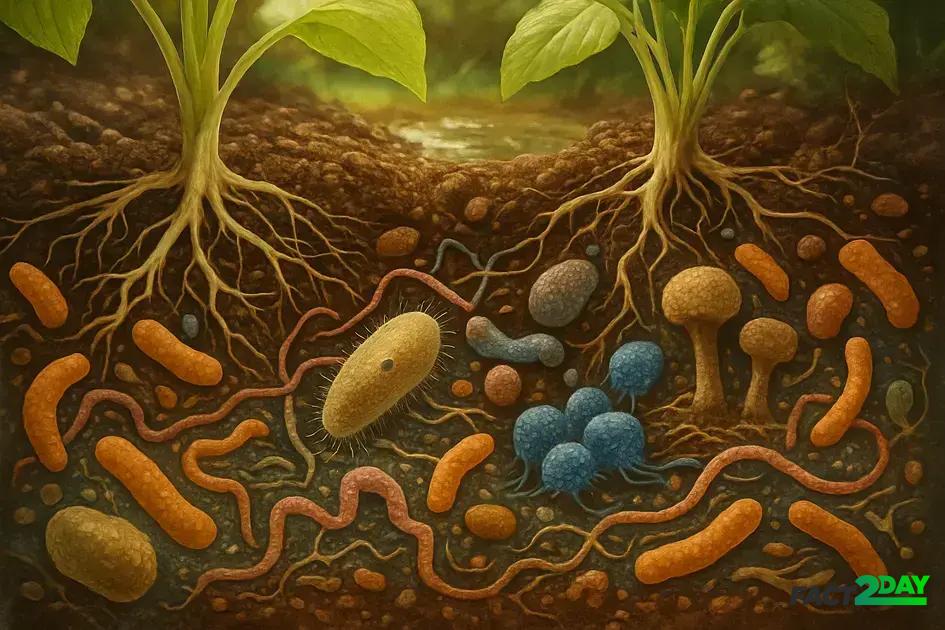
Microbial superpowers are the unique abilities of microbes to enhance agriculture, produce renewable energy, clean environments, and promote sustainability by naturally transforming ecosystems and supporting human health.
Have you ever wondered about the hidden world beneath our feet and in the air we breathe? Microbial Superpowers reveal how these tiny giants quietly shape life around us in ways we often overlook. Let’s gently explore their incredible influence together.
understanding microbial superpowers and their impact
Microbial superpowers refer to the extraordinary abilities of microscopic organisms to survive, adapt, and influence their surroundings in remarkable ways. These tiny entities can break down complex substances, produce essential nutrients, and even communicate with each other to coordinate actions. Their impact extends far beyond their size, affecting ecosystems, industries, and human health.
Adaptability and resilience
Microbes can thrive in extreme environments—hot springs, deep oceans, or acidic soils—showing incredible adaptability. This resilience enables them to maintain ecological balance and support life forms that depend on them.
Biochemical transformations
They perform crucial biochemical processes like nitrogen fixation, decomposition, and fermentation. These transformations recycle nutrients that sustain plant growth and maintain soil fertility, making microbes essential for agriculture and food production.
Interaction with other organisms
Microbes engage in symbiotic relationships, protecting plants from pathogens and supporting human digestion. Understanding these interactions helps unlock new medical and environmental applications, showcasing their unseen but vital superpowers.
how microbes shape ecosystems and biodiversity
Microbes play a critical role in shaping ecosystems and maintaining biodiversity by participating in nutrient cycles and supporting various life forms. Their presence in soil, water, and air helps regulate the environment, ensuring the survival of plants, animals, and other microorganisms.
Supporting plant growth and health
Microbes enrich soil by breaking down organic matter and cycling nutrients like nitrogen and phosphorus. This process enhances plant nutrition and growth, which in turn supports entire food webs.
Maintaining ecosystem balance
Microorganisms influence population control by decomposing dead organisms and recycling materials back into the ecosystem. They also help protect plants and animals from harmful pathogens through natural competition and chemical production.
Enhancing biodiversity
By creating microhabitats and forming symbiotic relationships, microbes increase the diversity of species in an area. These interactions promote resilience and adaptability across ecosystems, making them healthier and more stable over time.
the role of microbes in human health and medicine
Microbes have a profound impact on human health and medicine, influencing everything from digestion to disease prevention. Our bodies host trillions of microbes that help maintain balance and protect us from harmful invaders.
Microbiome and digestion
The gut microbiome plays a vital role in breaking down food, producing vitamins, and supporting the immune system. These microbes aid in nutrient absorption and contribute to overall health by preventing harmful bacteria from taking hold.
Microbes in disease prevention
Certain microbes help protect against infections by competing with pathogens and stimulating the immune response. This natural defense highlights their importance in maintaining health and inspiring new treatments.
Microbes in medicine and therapy
Scientists harness the power of microbes to develop antibiotics, vaccines, and probiotics. These advances save lives and improve wellbeing by targeting diseases and restoring healthy microbial balance in the body.
microbial innovations transforming agriculture
Microbial innovations are revolutionizing agriculture by improving crop yields, reducing chemical use, and enhancing soil health. Beneficial microbes promote plant growth and protect against pests naturally, offering sustainable farming solutions.
Biofertilizers and nutrient cycling
Microbes fix nitrogen from the air and convert it into forms plants can use. This reduces dependence on synthetic fertilizers and supports healthier soils.
Natural pest control
Certain microbes act as biopesticides by targeting harmful insects and pathogens, minimizing the need for chemical pesticides and lowering environmental impact.
Soil health and resilience
Microbial communities improve soil structure and water retention. Healthy soil supports strong plant roots and boosts resistance to drought and disease, helping farmers adapt to climate change.
microbes in waste management and environmental cleanup
Microbes play an essential role in waste management and environmental cleanup by breaking down pollutants and recycling organic matter. Their natural abilities help reduce landfill waste and mitigate environmental damage caused by human activities.
Biodegradation of waste
Microbes decompose complex organic materials found in sewage, agricultural waste, and industrial byproducts, transforming them into harmless substances that can be safely absorbed by the environment.
Bioremediation and pollution control
Certain microbes can degrade toxic chemicals such as oil spills, heavy metals, and pesticides. These biodegraders clean up contaminated soils and water, restoring ecosystems to health.
Waste-to-resource conversion
Through microbial activity, waste products can be converted into valuable resources like biofuels, compost, and biogas. This not only reduces pollution but also promotes sustainable energy and agriculture.
exploring the unseen communication of microbial communities
Microbial communities communicate through chemical signals in a process called quorum sensing. This allows microbes to coordinate behavior, such as forming biofilms or producing toxins, based on population density. These invisible conversations are key to their survival and functionality.
Chemical signaling mechanisms
Microbes release and detect signaling molecules, such as autoinducers, that trigger gene expression changes. This communication helps them adapt to changes and work together efficiently.
Biofilm formation and cooperation
Biofilms are structured communities of microbes adhering to surfaces. Their formation relies on communication, enabling microbes to protect each other and resist external threats, including antibiotics.
Implications for health and environment
Understanding microbial communication allows scientists to develop therapies that disrupt harmful signaling or enhance beneficial interactions. This knowledge can improve infection control, agriculture, and environmental management.
the potential of microbes in biotechnology and industry
Microbes are essential players in biotechnology and industry, offering innovative solutions for various applications. Their unique metabolic pathways allow the production of valuable substances like enzymes, antibiotics, and biofuels.
Microbial production of enzymes
Enzymes from microbes are used in detergents, food processing, and pharmaceuticals. They provide eco-friendly alternatives to chemical processes by speeding up reactions at mild conditions.
Antibiotics and pharmaceuticals
Many antibiotics are sourced from microbes, which produce these compounds to compete in natural environments. This has led to breakthroughs in medicine, fighting infections effectively.
Biofuels and sustainable materials
Microbes can convert biomass into biofuels, offering renewable energy options that reduce reliance on fossil fuels. They also contribute to creating biodegradable plastics and other sustainable products, supporting a greener future.
embracing microbial superpowers for a sustainable future
Embracing microbial superpowers offers promising pathways toward sustainability in agriculture, energy, and environmental conservation. By harnessing the natural abilities of microbes, we can reduce pollution, improve resource use, and promote healthier ecosystems.
Enhancing sustainable agriculture
Microbes improve soil fertility and crop resilience, reducing the need for synthetic fertilizers and pesticides. This leads to more sustainable farming practices and stronger food security.
Renewable energy from microbes
Microbial processes produce biofuels and biogas, providing cleaner alternatives to fossil fuels. These renewable energy sources help cut greenhouse gas emissions and support climate goals.
Environmental restoration and waste reduction
Microbial communities play critical roles in breaking down pollutants and recycling waste. Employing these microbes in bioremediation and waste management advances environmental restoration efforts.
Overall, integrating microbial superpowers into technology and policies can drive innovation for a sustainable future, benefiting both people and the planet.
Embracing the power of microbes for our future
Microbes may be tiny, but their impact is massive. Their unique abilities help improve agriculture, produce clean energy, and heal the environment. By understanding and harnessing these microbial superpowers, we can build a healthier, more sustainable world.
As we continue to explore their potential, microbes offer exciting solutions to some of our biggest challenges. Embracing these natural helpers could lead us to cleaner air, richer soils, and a brighter future for generations to come.