Play-to-Earn: The Emerging Economies of Metaverse Gaming
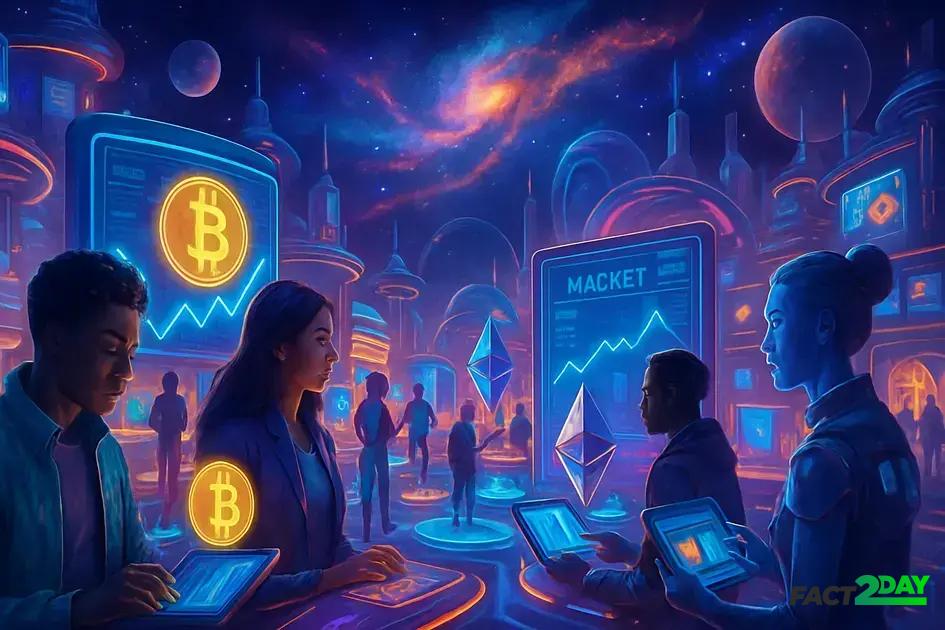
Explore the fascinating world of Metaverse Gaming Economics and discover how play-to-earn models are reshaping digital economies today.
Exoplanets are planets orbiting stars beyond our Sun, discovered using techniques like stellar light dimming, revealing a vast galaxy filled with diverse worlds and new scientific frontiers.
Have you ever wondered how Metaverse Gaming Economics can change the way we play and earn? This exciting field blends virtual worlds with real-world value, inviting players into new economic adventures. Let’s dive into this fascinating universe and explore its possibilities together!
Understanding metaverse gaming economics
The economics of metaverse gaming revolves around how value is created, exchanged, and managed within virtual worlds. At its core, these economies blend traditional gaming elements with real-world financial principles, enabling players to earn, trade, and invest in digital assets. Virtual currencies play a crucial role, serving as mediums of exchange for in-game purchases, services, and rewards.
Unlike traditional games where progress and assets hold only entertainment value, metaverse games integrate play-to-earn models, allowing users to monetize their time and skills. This shifts the dynamic from pure entertainment to potential income generation, attracting players worldwide who engage not just for fun but also for financial gain.
Key components of metaverse gaming economics
One vital aspect is the use of blockchain technology, which guarantees the ownership and scarcity of digital assets like skins, land, and collectibles. Smart contracts automate transactions securely and transparently, ensuring trust among participants. Additionally, marketplaces facilitate the buying and selling of items, creating vibrant economic ecosystems within these virtual worlds.
The interplay between supply and demand, player incentives, and developer monetization strategies defines how these economies grow and adapt. Understanding these factors helps players maximize their benefits and contributes to a healthier, sustainable gaming environment.
Overall, metaverse gaming economics is a complex yet exciting area that merges gaming passion with financial opportunity, reshaping interactions in virtual spaces.
The rise of play-to-earn models
The rise of play-to-earn (P2E) models marks a significant shift in gaming by allowing players to earn real-world value through gameplay. Unlike traditional games where achievements and items have only entertainment worth, P2E games reward players with digital assets or cryptocurrencies that can be traded or sold outside the game.
This model has gained momentum due to blockchain technology, which enables true ownership of in-game assets. Players can buy, sell, and trade characters, skins, land, and other collectibles with verifiable authenticity and scarcity.
How play-to-earn works
Players receive rewards such as tokens, NFTs, or other digital items by completing tasks, winning battles, or contributing to the game’s ecosystem. These earnings often hold market value and can be converted into traditional currency or reinvested in the game, creating a cycle of economic activity.
Game developers benefit as well by using P2E to drive user engagement and build loyal communities. This model also opens up new revenue streams by enabling marketplaces and secondary trading.
Challenges include balancing game mechanics to prevent inflation of digital assets and ensuring fair opportunities for all players regardless of their initial investment. Despite these hurdles, the play-to-earn model is rapidly expanding and transforming how gamers interact with virtual worlds.
Key players in the metaverse economy
The metaverse economy consists of a diverse group of key players that shape how digital worlds function and grow. These include game developers, who design and maintain immersive environments, and players, who actively participate by buying, selling, and trading virtual assets.
Developers and creators
Game studios and independent creators build virtual worlds and design economic systems that allow value exchange. They often issue digital currencies and NFTs, which fuel the economy and enable play-to-earn opportunities.
Players and traders
Players are not just participants but are often investors and entrepreneurs within the metaverse. They acquire digital assets, engage in commerce, and sometimes govern by voting on changes within games or platforms.
Platform providers
Platforms like blockchain networks support decentralized exchanges, secure transactions, and verification of asset ownership. These platforms offer the infrastructure fueling economic activities.
Marketplaces
Virtual marketplaces facilitate the buying, selling, and auctioning of digital goods. They enable liquidity and price discovery, crucial for a thriving economy.
Investors and speculators
Individuals and firms invest in digital assets, often looking for long-term value or quick profits. Their activity impacts market dynamics and asset valuations.
Together, these players create a complex and interdependent ecosystem where each contributes to the growth and sustainability of the metaverse economy.
How virtual currencies work in gaming
Virtual currencies in gaming act as digital money used to buy items, unlock features, and reward players. These currencies can be either centralized, managed by the game developer, or decentralized, often based on blockchain technology.
Centralized virtual currencies
These are controlled directly by the game company. Players purchase them with real money or earn them through gameplay. Examples include gold coins, gems, or tokens found in many popular games. The value and supply of these currencies are regulated by the developers.
Decentralized virtual currencies
Supported by blockchain, these currencies offer players true ownership of assets and open economies. Cryptocurrencies like Ethereum or game-specific tokens enable players to trade, sell, or hold assets outside the game environment.
How virtual currencies impact gameplay
They encourage player engagement by rewarding achievements and providing ways to customize or advance characters. Virtual currencies also fuel in-game marketplaces, where players can buy, sell, or trade assets, creating dynamic economic activity.
Security and transparency are enhanced with blockchain currencies, reducing fraud and enabling clear ownership records.
Understanding how virtual currencies work helps players make informed decisions and fully benefit from the economic possibilities in metaverse games.
Impact on traditional gaming industries
The emergence of metaverse gaming economics and play-to-earn models is reshaping traditional gaming industries in profound ways. Traditional gaming, which focused primarily on entertainment and one-time purchases, now faces competition from virtual worlds where players can earn real-world value.
Shifts in revenue models
Many game developers are exploring integrating blockchain and NFTs to create new revenue streams, moving beyond the conventional model of selling games or subscriptions. This causes changes in how games are funded, marketed, and monetized.
Player engagement and retention
Play-to-earn games offer economic incentives, increasing player commitment and time spent in virtual environments. Traditional games may need to innovate to maintain user interest against these evolving dynamics.
Challenges for legacy companies
Established gaming companies face hurdles adapting to decentralized ownership structures and real-world asset valuations. Balancing regulatory compliance and user protections while incorporating new economic models is complex.
New opportunities
Traditional studios can tap into metaverse concepts to create hybrid experiences blending earned and paid content. Partnerships with blockchain projects and cross-platform assets are emerging trends.
Overall, the impact on traditional gaming industries is significant, driving evolution and innovation in how games are designed, played, and monetized.
Challenges faced by play-to-earn gamers
Play-to-earn gamers face unique challenges that affect their experience and potential earnings. One major issue is the market volatility of cryptocurrencies and digital assets, where sudden price drops can reduce the value of rewards.
High entry costs
Some games require initial investment to acquire NFTs or tokens needed to start playing. This can limit access for players without sufficient funds.
Time commitment
Successful play-to-earn often demands significant time and effort, which can be challenging for casual players or those balancing other responsibilities.
Security risks
Risks include scams, hacking, and loss of digital assets due to phishing attacks or weak security practices. Protecting wallets and accounts is critical.
Technical barriers
Blockchain gaming requires understanding new technologies like wallets, tokens, and smart contracts, which can deter less tech-savvy users.
Regulatory uncertainty
Varying global regulations on cryptocurrencies and digital ownership create uncertainty for players and developers alike.
Despite these challenges, many gamers remain optimistic, seeing play-to-earn as a way to combine gaming passion with income opportunities.
Strategies for success in metaverse games
Succeeding in metaverse games requires a blend of strategy, knowledge, and adaptability. One key approach is to understand the game’s economy deeply, including the value and utility of virtual assets, currencies, and how transactions impact supply and demand.
Build diversified assets
Investing in a variety of NFTs, virtual land, and tokens can reduce risks and create multiple income streams. Diversification helps players adjust to market changes more effectively.
Engage with the community
Active participation in forums, social media, and governance can provide insights, early news, and opportunities for collaboration. Communities often influence game developments and economic trends.
Stay informed about updates
Developers often release patches, new features, and economic changes. Keeping up to date allows players to adapt strategies and exploit new opportunities.
Improve skills and gameplay
Excelling in gameplay mechanics, completing tasks efficiently, and leveraging game assets improves earning potential within play-to-earn frameworks.
Security practices are critical to protect digital assets. Using strong passwords, hardware wallets, and avoiding scams safeguard investments made in the metaverse.
Combining these strategies enhances a player’s chances to thrive in the evolving and competitive environment of metaverse games.
Role of blockchain technology
Blockchain technology underpins the financial systems within metaverse gaming by providing secure, transparent, and decentralized transaction networks. It allows players to own, buy, sell, and trade digital assets with confidence, knowing records are immutable and verifiable.
Decentralization and ownership
Unlike traditional games where assets are controlled by developers, blockchain enables true player ownership. NFTs (non-fungible tokens) certify uniqueness and scarcity of virtual goods, from weapons to virtual land.
Smart contracts
Automated agreements called smart contracts facilitate transactions without intermediaries. They execute trades, rewards, and market actions instantly and transparently, reducing fraud risks.
Interoperability
Blockchain supports cross-game and cross-platform asset use, allowing players to transfer items or currencies between different metaverse environments. This enhances asset value and player freedom.
Security and transparency
All transactions are recorded on public ledgers, promoting trust and accountability. Players can track asset provenance and transaction history, improving marketplace integrity.
Overall, blockchain is the foundation that enables play-to-earn models and dynamic economies in metaverse gaming, empowering players and developers alike.
Economic opportunities for players and developers
The metaverse presents significant economic opportunities for both players and developers, transforming how value is created and exchanged in virtual environments. Players can earn income by participating in play-to-earn games, trading NFTs, or providing services within the metaverse.
Opportunities for players
Players can monetize their skills and time by earning cryptocurrencies or valuable digital assets. These assets can be sold or leased, providing flexible income options. Some also build reputations and communities that increase their earning power.
Opportunities for developers
Developers benefit from creating engaging ecosystems that attract active users. They can generate revenue through initial sales of NFTs, transaction fees on marketplaces, and offering premium content or experiences. Developing cross-platform interoperable assets can increase demand and value.
Collaborations and new business models
The metaverse encourages partnerships between developers, investors, and players to co-create value. Decentralized governance models allow stakeholders to have a say in project direction, fostering shared success.
Overall, the metaverse economy opens diverse avenues for income, innovation, and growth for those who engage thoughtfully and strategically.
Regulatory and ethical considerations
As metaverse gaming and play-to-earn models expand, regulatory and ethical considerations become increasingly important. Governments worldwide are examining how to classify digital assets, cryptocurrencies, and virtual property for taxation and legal purposes.
Regulatory challenges
Regulators face difficulties in defining ownership rights and enforcing protections in decentralized environments. Issues like money laundering, fraud, and illegal market activities require clear frameworks.
Player protection
Ensuring fair play and protecting users from scams, hacking, and exploitation is crucial. Developers must implement robust security measures and provide transparency about risks involved.
Privacy concerns
Collecting and handling vast amounts of player data in virtual worlds calls for strict privacy policies. Players should have control over their information and understand how it’s used.
Ethical game design
Designers must consider the impact of economic incentives on player behavior, avoiding exploitative mechanics that may encourage excessive spending or addictive patterns.
Collaboration between regulators, developers, and communities is key to crafting balanced rules that encourage innovation while safeguarding users and the integrity of metaverse economies.
Future trends in metaverse gaming economics
Future trends in metaverse gaming economics point to even greater integration of decentralized finance, immersive technologies, and real-world economic impact. As virtual worlds evolve, so will the opportunities for innovation and growth.
Greater interoperability
Cross-platform and cross-game asset use will become more common. Players will be able to transfer and utilize digital goods and currencies seamlessly between different metaverse spaces.
Enhanced realism and immersion
Advances in virtual reality (VR) and augmented reality (AR) will create more engaging environments, increasing time spent in metaverses and expanding economic activity.
Decentralized governance
Community-driven decision-making through decentralized autonomous organizations (DAOs) will shape game economies, with players having direct input on development and policies.
Increased adoption of NFTs and tokenization
More in-game assets will be tokenized as NFTs, offering unique ownership and trade possibilities. This will expand marketplaces and investment opportunities.
Integration with real-world markets
Bridges between metaverse economies and traditional finance will grow, enabling smoother conversion between digital and fiat currencies and expanding the economic influence of gaming.
Staying informed and adaptable will be vital for players and developers to thrive in the dynamic landscape of metaverse gaming economics.
The future of metaverse gaming economics
The metaverse gaming economy is evolving rapidly, creating exciting opportunities for players and developers alike. By understanding these trends, individuals can prepare to engage effectively and benefit from new innovations.
As technologies improve and communities grow, the way we play and earn will continue to change. Staying informed and adaptable is key to thriving in this dynamic virtual world.
Ultimately, the metaverse holds vast potential to reshape how we think about gaming, economics, and digital ownership.