The Ghost Cities: History’s Most Impressive and Lost Architectural Works
Explore Lost Architectures through ghost cities, unveiling forgotten wonders that shaped history and inspire curiosity and awe.
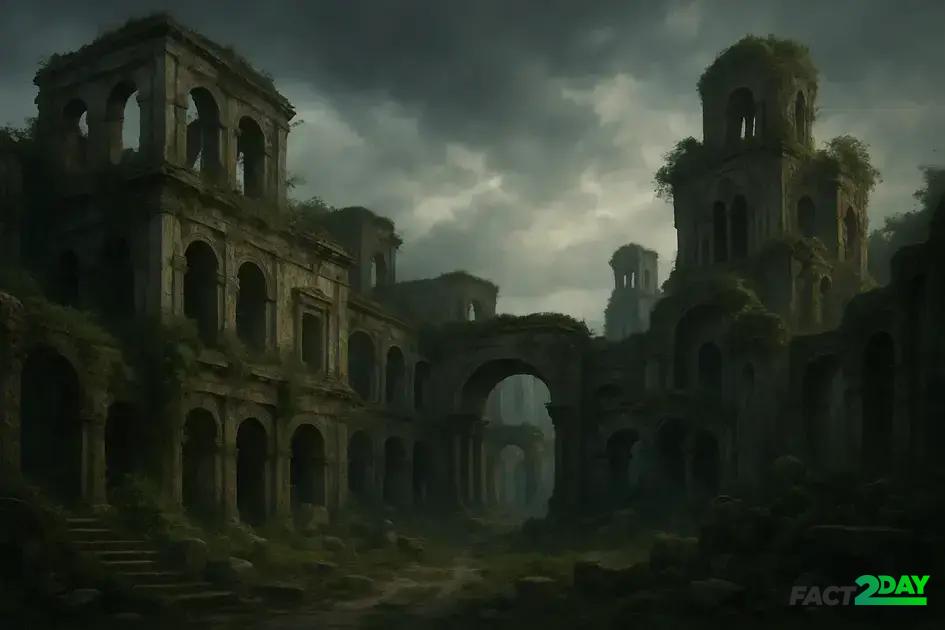
Reflecting on lost architectures and their legacy
Lost architectures serve as powerful reminders of how civilizations rise, succeed, and sometimes fall. They teach us about the importance of wise leadership, innovation, and respecting the environment.
By exploring these ancient ruins, we not only uncover the stories of the past but also gain valuable lessons for the future. Preserving and learning from lost cities helps us build a better understanding of human history and our shared cultural heritage.
Ultimately, these sites inspire us to protect our world and approach progress with care, ensuring that our own civilizations can stand the test of time.
Consider for a moment the allure of Lost Architectures. What stories do ghost cities whisper through their ruins, and how do these forgotten marvels challenge our understanding of history? Join me on a captivating journey to uncover the enigmas hidden in these silent monuments.
Origins of ghost cities and their historical significance
Ghost cities often have ancient origins, tracing back to times when civilizations flourished in specific regions before mysteriously declining or relocating. Many were once bustling hubs for trade, culture, or religion, deeply intertwined with the historical events of their era. For example, cities like Pripyat in Ukraine, abandoned after the Chernobyl disaster, or the ancient city of Machu Picchu in Peru, show how history’s shifts—whether natural, political, or economic—shaped these urban landscapes.
Understanding the historical significance of these lost cities provides insight into how human societies evolve and sometimes vanish. Archaeologists and historians study ghost cities to decode clues about past lifestyles, architectural innovations, and societal organization. These sites stand as powerful reminders of the transient nature of human achievements and the forces that can lead to collapse or abandonment.
Factors Leading to Abandonment
Several factors contribute to the creation of ghost cities, including natural disasters like earthquakes or floods, economic downturns, warfare, or environmental changes such as desertification. For instance, the city of Pompeii was lost to history until its rediscovery due to a volcanic eruption, preserving a snapshot of Roman life frozen in time.
Ghost cities also illustrate the resilience and adaptation of human culture, offering lessons that remain relevant today. Their preservation allows us to appreciate history not merely as stories but as tangible places that witnessed extraordinary human endeavors.
Famous lost architectures around the world
Throughout history, famous lost architectures have fascinated people worldwide due to their mysterious abandonment and breathtaking design. One of the most renowned is the city of Petra in Jordan, carved directly into rose-red cliffs, showcasing advanced engineering and artistry from the ancient Nabateans.
Another iconic example is Angkor Wat in Cambodia. This massive temple complex reflects the Khmer Empire’s religious devotion and architectural mastery, surrounded by dense jungle that reclaimed the site after centuries of neglect.
The Great Wall of China
Parts of the Great Wall have fallen into ruin, yet it remains a symbol of resilience and strategic defense. Its lost sections tell stories of changing empires and the passage of time.
In South America, the city of Machu Picchu embodies the ingenuity of the Inca civilization. Hidden high in the Andes Mountains, it was rediscovered in the early 20th century, revealing complex terraces and stone constructions that defy gravity.
Other notable lost architectures
The Roman Colosseum, although partially destroyed, offers a glimpse into ancient entertainment and engineering. Similarly, the Mayan city of Tikal in Guatemala showcases towering pyramids and plazas now enveloped by rainforest.
These lost architectures serve as windows to the past, each telling unique stories of human creativity, ambition, and eventual decline.
Reasons behind the abandonment of grand cities
The abandonment of grand cities often results from a mix of environmental, social, and economic factors that force inhabitants to leave. One common cause is natural disasters such as earthquakes, floods, or volcanic eruptions that can make a city unsafe or unlivable. For example, Pompeii was buried by a volcanic eruption, halting all life instantly.
Environmental Changes
Long-term environmental shifts like droughts or desertification can reduce resources crucial for city survival. The ancient city of Mesa Verde faced abandonment due to such ecological pressures, forcing its people to find more sustainable homes.
Economic Decline
Economic collapse or loss of key trade routes often leads to population loss. Cities that depended heavily on trade could rapidly decline if routes changed or goods became scarce. As trade diminished, so did the city’s prosperity.
Political and Social Factors
Wars, invasions, or internal strife can disrupt cities, causing destruction or chaos that prompts people to flee. Additionally, political decisions or shifts in power can redirect resources away from urban centers, leading to gradual abandonment.
The combination of these reasons paints a complex picture of why once thriving cities become ghost towns, emphasizing the fragile balance needed to sustain urban life.
The role of archaeology in uncovering lost architectures
Archaeology plays a crucial role in uncovering lost architectures, revealing hidden details about ancient civilizations and their constructions. Through careful excavation and analysis, archaeologists piece together the stories behind abandoned cities, giving us insight into their design, culture, and history.
Techniques Used by Archaeologists
Modern archaeology employs diverse techniques, including ground-penetrating radar, aerial photography, and 3D mapping, to detect structures buried underground or obscured by nature. These tools help locate foundations, walls, and artifacts without invasive digging.
Excavations uncover building materials, architectural styles, and construction methods, offering clues about the technology and resources available to past societies. For example, uncovering intricate mosaics or advanced drainage systems highlights the sophistication of a lost city.
Interpretation of Findings
Archaeologists collaborate with historians and architects to interpret findings, reconstructing the probable appearance and purpose of structures. This multidisciplinary approach enhances our understanding of how ancient people lived and interacted with their environments.
Preserving discovered sites is also a key responsibility, balancing research with conservation to protect these valuable cultural assets for future generations.
Overall, archaeology bridges the gap between past and present, unlocking the secrets of lost architectures that might otherwise remain forgotten.
Architectural styles seen in lost cities
Lost cities showcase a wide variety of architectural styles that reveal the cultural and technological achievements of past civilizations. Many of these styles reflect the unique environmental conditions and available materials of their regions.
Classical and Ancient Styles
In lost cities like Pompeii and Athens, classical architecture dominates with its emphasis on columns, symmetry, and intricate stonework. The use of Doric, Ionic, and Corinthian columns demonstrates advanced design principles in ancient Greece and Rome.
Indigenous and Vernacular Architecture
Many lost cities exhibit indigenous styles tailored to their environments. For example, the adobe structures of ancient American pueblos blend naturally with desert landscapes, while the cliff dwellings of Mesa Verde emphasize harmony with rugged terrain.
Religious and Monumental Styles
Religious architecture often stands out in lost cities, featuring temples, pyramids, and monuments. Angkor Wat in Cambodia highlights Khmer architecture with its intricate bas-reliefs and towering spires. Similarly, the Mayan city of Chichen Itza boasts distinctive stepped pyramids.
Blend of Cultures
Some lost cities reveal a blend of styles due to trade and conquest. The city of Palmyra in Syria combines Greco-Roman, Egyptian, and Persian influences, resulting in hybrid designs that highlight cultural exchanges.
Studying these architectural styles helps us understand the values, technologies, and daily lives of lost civilizations, preserving their legacy for future generations.
Impact of lost cities on cultural heritage
Lost cities hold immense value for cultural heritage by preserving traces of ancient civilizations and their way of life. They act as time capsules, containing artifacts, buildings, and art that tell stories about human history, traditions, and achievements.
Preserving Identity and History
These sites provide communities and nations with a tangible connection to their ancestors and origins. They foster pride and help maintain cultural identity by showcasing historical achievements and heritage.
Educational Importance
Lost cities serve as open-air museums, offering educational opportunities for scholars, students, and visitors. By studying these sites, people can better understand historical events, social structures, and technological advancements of past cultures.
Challenges to Cultural Heritage
Many lost cities face threats such as looting, natural decay, and unregulated tourism. Protecting these sites requires coordinated conservation efforts to prevent damage and ensure their stories endure for future generations.
Overall, lost cities enrich our understanding of diverse cultures and remind us of the importance of preserving cultural heritage worldwide.
Technological advances that reveal hidden structures
Technological advances have revolutionized the way we discover and analyze hidden structures within lost cities. Tools like ground-penetrating radar (GPR) allow archaeologists to detect buried walls and foundations without excavation, preserving delicate sites while revealing their secrets.
Remote Sensing and Satellite Imaging
Satellite technology and aerial drones equipped with infrared and LiDAR sensors can penetrate dense vegetation and reveal outlines of buildings and roadways from above. These methods have uncovered entire city layouts previously invisible to the naked eye.
3D Modeling and Virtual Reconstruction
Advanced computer software helps researchers create detailed 3D models of archaeological sites, enabling virtual reconstruction of lost architectures. This technology aids in understanding spatial relationships and architectural techniques used by ancient builders.
Such innovations not only enhance our knowledge but also improve preservation efforts by minimizing physical interventions at sensitive sites.
Preservation challenges of ghost cities
Preserving ghost cities presents significant challenges due to their age, exposure, and often remote locations. Many structures are vulnerable to natural elements like erosion, weathering, and plant overgrowth, which gradually destroy delicate ruins.
Environmental Threats
Harsh climates, including extreme temperatures, rainfall, and wind, accelerate the decay of building materials. In some cases, vegetation roots can disrupt foundations and walls, causing further damage.
Human Impact
Tourism and vandalism also pose risks. Unregulated visitor access can lead to physical wear and tear, while looting and graffiti harm the cultural and historical integrity of these sites.
Many ghost cities lack sufficient funding or local governance to implement proper conservation strategies. This makes long-term preservation difficult without international support or community involvement.
Balancing Access and Protection
Finding the right balance between allowing public access and protecting these fragile sites remains a constant challenge. Solutions like controlled tours, protective coverings, and ongoing maintenance efforts aim to preserve ghost cities for future generations.
Tourism and ethical considerations in visiting lost architectures
Visiting lost architectures offers unique experiences, but it also raises important ethical considerations. Tourism can bring much-needed funding for preservation, but it may also cause damage when sites are not managed properly.
Impact of Tourism
High foot traffic can wear down fragile structures, disturb archaeological sites, and lead to littering or vandalism. It is essential to promote responsible tourism that respects the cultural and historical significance of these places.
Respecting Local Communities
Tourists should be mindful of local traditions and customs. Engaging with local guides and supporting community-based tourism helps ensure that benefits reach the people who live near these sites.
Preservation and Education
Ethical tourism also involves educating visitors about the importance of preservation. Clear guidelines, restricted access zones, and informative materials can encourage mindful behavior.
Balancing access and conservation is key to protecting lost architectures, ensuring they remain intact for future generations to explore and appreciate.
What lost architectures teach us about civilization rise and fall
Lost architectures offer valuable lessons about the rise and fall of civilizations. They reveal how societies once thrived through innovation, trade, and cultural achievements, but also how they faced challenges like environmental changes, conflicts, and resource depletion.
Indicators of Prosperity and Decline
Architectural grandeur often reflects economic strength and technological advancement. For example, magnificent palaces, temples, and public buildings symbolize periods of growth and stability.
Evidence of Collapse
At the same time, signs of decay and abandonment show how civilizations struggled with internal issues or external threats. Natural disasters, invasions, or mismanagement can leave lasting marks on urban landscapes.
Lessons in Sustainability
Studying these ruins highlights the importance of sustainable resource use and environmental balance. Some lost cities suffered due to deforestation or water mismanagement, emphasizing how crucial ecological stewardship is for societal survival.
Ultimately, lost architectures serve as powerful reminders that civilizations are fragile and that wise governance and respect for nature are key to lasting success.
Understanding the lessons of lost architectures
Lost architectures allow us to peek into the past and learn how civilizations thrived and faced challenges. They remind us of the importance of innovation, good governance, and caring for the environment.
By studying these ancient ruins, we gain valuable insights that can guide us in building a sustainable future. The stories told by these lost cities help us appreciate the delicate balance needed to maintain thriving societies.
Remembering the successes and failures of past civilizations encourages us to act wisely and protect our cultural heritage for generations to come.