Vanished Empires: The Unsolved Mysteries of History’s Lost Civilizations
Lost Ancient Civilizations unveil the astonishing secrets and histories buried by time, inviting you to explore their enigmatic pasts.
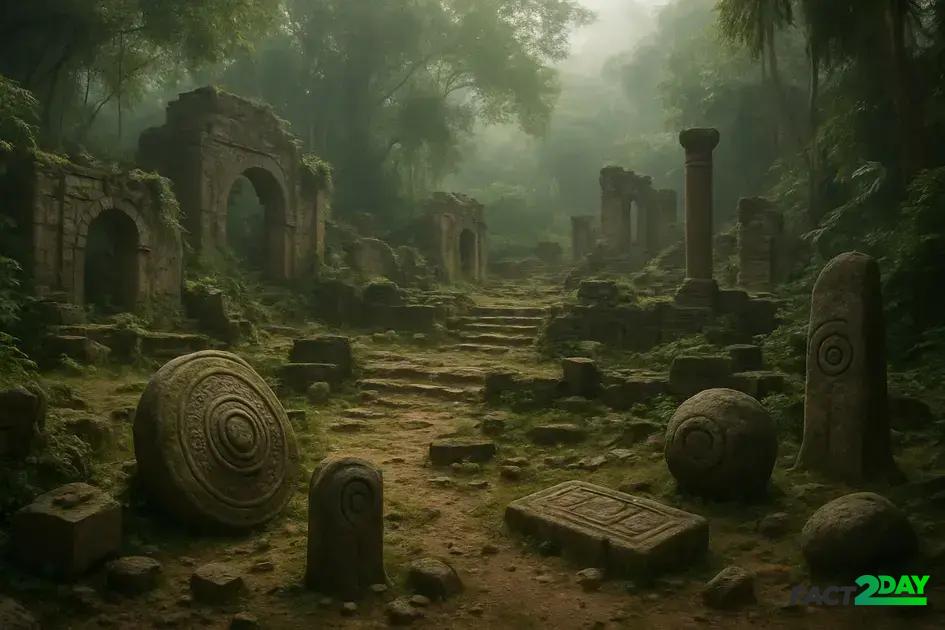
Lost Ancient Civilizations reveal forgotten human achievements and mysteries, offering critical insights into our history and shaping modern understanding of culture, technology, and societal evolution.
Have you ever wondered about Lost Ancient Civilizations — those vanished empires shrouded in mystery and legend? These forgotten cultures fascinate us deeply, igniting imagination and inspiring exploration. What secrets could they still hold beneath the sands of time?
What defines lost ancient civilizations and why they fascinate us
Lost ancient civilizations refer to societies and cultures that once thrived but vanished over time, leaving behind ruins, artifacts, and stories. These civilizations often attract curiosity because they offer a glimpse into humanity’s distant past and reveal how people adapted to their environments.
Key Characteristics
They were usually marked by advanced architecture, unique art forms, complex social structures, and developed technologies. Despite their advancements, many vanished due to natural disasters, wars, or societal collapse.
Why They Fascinate Us
People are drawn to lost civilizations because they spark imagination and wonder. Unsolved mysteries about their culture, disappearance, and legacies invite exploration and discovery. These stories connect us to human history and remind us of the fragility and resilience of civilizations.
Learning about these ancient societies also helps us understand modern human achievements and challenges by tracing back the roots of innovation, tradition, and culture.
Major known lost civilizations and their mysterious disappearances
Throughout history, many major lost civilizations have captured the imagination of scholars and explorers. These include the Maya, the Indus Valley, and the Ancestral Puebloans, each with unique cultures and abrupt disappearances.
The Maya Civilization
The Maya thrived in present-day Mexico and Central America, known for their advanced knowledge in mathematics, astronomy, and impressive architecture. Their decline around the 9th century is still debated, with theories ranging from drought and famine to warfare and social unrest.
The Indus Valley Civilization
One of the world’s earliest urban societies, located in present-day Pakistan and India, the Indus Valley Civilization is renowned for its planned cities and sophisticated drainage systems. Their mysterious decline around 1900 BCE remains unclear but may involve environmental changes or invasions.
The Ancestral Puebloans
Located in the Southwestern United States, the Ancestral Puebloans built remarkable cliff dwellings. Their disappearance around the late 13th century is attributed to prolonged drought, resource depletion, or social factors.
Understanding these civilizations involves piecing together clues from archaeology, climate data, and historical records, highlighting the mysteries that still surround their sudden vanishings.
Archaeological methods used to uncover lost civilizations
Archaeologists use a variety of methods to uncover lost civilizations. One common technique is excavation, which involves carefully digging at sites to reveal artifacts and structures buried underground.
Surveying and Mapping
Before excavation, experts perform surveys using tools like aerial photography, satellite imagery, and ground-penetrating radar. These help identify potential sites without disturbing the ground.
Carbon Dating and Analysis
Radiocarbon dating is essential for determining the age of organic materials found during digs. This method helps place artifacts and ruins into a timeline.
Artifact Study
Once items are uncovered, specialists analyze their materials, design, and usage. This reveals insights into the culture’s technology, art, and daily life.
Today, new technologies like 3D scanning and GIS mapping allow archaeologists to create detailed models of sites and artifacts. These innovations make it easier to study lost civilizations while preserving their remnants.
Common challenges faced in studying vanished empires
Studying vanished empires presents several common challenges that complicate our understanding of ancient history. One major difficulty is the scarcity of written records, as many empires left few or undeciphered texts.
Degradation of Artifacts
Over time, natural elements like weather, erosion, and vegetation can destroy or hide artifacts and structures. This degradation limits what researchers can discover.
Site Accessibility
Many ancient sites are located in remote or politically unstable regions, making archaeological work dangerous or impossible. Access issues slow down exploration and preservation efforts.
Interpretation Difficulties
Without clear records, specialists often rely on indirect evidence, which can lead to multiple interpretations. Differing theories sometimes cause debates about an empire’s culture or decline.
Technological limitations and funding constraints also affect research pace. Despite these hurdles, ongoing advances in technology and collaboration are helping scholars uncover more about vanished empires.
How ancient cultures influence modern societies today
Many ancient cultures continue to influence modern societies in powerful ways. Their art, architecture, language, and traditions shape the world we live in today.
Language and Writing
Modern languages often have roots in ancient tongues, and writing systems like alphabets evolved from scripts used thousands of years ago. For example, Latin influenced many European languages.
Architecture and Engineering
Innovations such as arches, aqueducts, and road-building techniques from ancient civilizations like Rome and Mesopotamia laid the foundation for modern construction and infrastructure.
Philosophy and Governance
Ideas about democracy, law, and ethics from ancient Greece and other cultures still guide political systems worldwide. Concepts of citizenship and justice originated from these early thoughts.
Art, music, and religious beliefs from ancient societies also continue to inspire and shape cultural identities. By understanding these connections, we appreciate the lasting impact of lost ancient civilizations on our everyday lives.
Stories of the most intriguing lost cities around the world
Many lost cities around the world hold intriguing stories that continue to captivate historians and adventurers. These locations reveal ancient lifestyles, mysteries, and remarkable architecture.
Machu Picchu, Peru
This Incan city built high in the Andes mountains was hidden for centuries. Known for its sophisticated stone construction and terraces, it was rediscovered in 1911 and remains a symbol of ancient engineering.
Pompeii, Italy
Buried by the eruption of Mount Vesuvius in 79 AD, Pompeii provides a remarkable snapshot of Roman life frozen in time. Its well-preserved ruins offer detailed insight into everyday activities of the past.
Angkor Wat, Cambodia
The capital of the Khmer Empire, Angkor Wat is famous for its massive temple complex and intricate carvings. Once a thriving city, it was eventually abandoned and reclaimed by the jungle before being brought back to public attention.
Exploring these lost cities allows us to connect with diverse cultures and realize how civilizations thrived, transformed, and sometimes vanished, leaving behind stories carved in stone and mystery.
Technologies and artifacts left behind by vanished empires
Vanished empires have left behind a wealth of technologies and artifacts that reveal their level of advancement and creativity. These remnants serve as windows into the past, showing how ancient people solved problems and expressed their culture.
Engineering and Construction
Many ancient civilizations developed impressive engineering feats. Examples include aqueducts to transport water, stone bridges, and monumental architecture built without modern tools.
Tools and Weapons
Artifacts such as bronze and iron tools, weapons, and farming implements demonstrate technological progress. These items reflect the materials and skills available to those societies.
Art and Symbolism
Paintings, pottery, sculptures, and jewelry reveal the artistic talents and religious beliefs of vanished empires. Symbols carved into stones or written in ancient scripts offer clues about language and governance.
Modern technology like 3D scanning and chemical analysis helps researchers study these artifacts in depth, preserving history while uncovering new details about lost civilizations and their innovations.
Understanding the myths vs. facts about lost civilizations
Many stories about lost civilizations mix myths and facts, which can make it hard to separate truth from legend. Myths often arise from ancient tales passed down through generations, while facts come from archaeological research and scientific analysis.
Common Myths
Some myths claim lost civilizations had advanced technologies like flying machines or supernatural powers. Others suggest mysterious disappearances caused by aliens or curses.
Scientific Facts
Archaeologists use evidence like artifacts, ruins, and carbon dating to verify historical facts. For example, the decline of some empires is linked to climate change, wars, or economic collapse rather than supernatural causes.
The Value of Skepticism
Approaching lost civilizations with critical thinking allows us to appreciate their true achievements and learn from history. Separating myths from facts helps build a clearer picture of our past and prevents misinformation.
By combining storytelling with scientific study, we can better understand and value the rich legacy of vanished empires.
Impact of environment and climate change on ancient societies
The environment and climate played a crucial role in the rise and fall of many ancient societies. Changes such as droughts, floods, and shifts in temperature affected food production, water supply, and overall survival.
Environmental Challenges
Some ancient civilizations faced prolonged droughts that caused crop failures and forced people to migrate or face famine. Floods or soil erosion also damaged farmlands and settlements.
Adaptation and Innovation
In response, many societies developed irrigation systems, built terraces, and adopted new farming techniques to manage scarce resources effectively.
Climate Change and Collapse
Long-term climate shifts sometimes overwhelmed these adaptations, contributing to social unrest and the eventual decline of empires. For example, cooling periods or dry spells disrupted trade and economies globally.
Studying these effects helps us understand how ancient people were closely tied to their environment and offers lessons on resilience and sustainability for modern times.
The role of ancient writings and records in solving mysteries
Ancient writings and records are vital keys for uncovering the mysteries of lost civilizations. These texts provide direct insight into the culture, beliefs, and history of ancient peoples.
Types of Ancient Writings
Many civilizations used scripts carved on stone tablets, written on papyrus, or inscribed on pottery. Examples include cuneiform from Mesopotamia, hieroglyphs from Egypt, and the Mayan script.
Decoding and Translation
Deciphering these texts often requires expertise in linguistics and history. The Rosetta Stone, for instance, unlocked the understanding of Egyptian hieroglyphs by presenting the same text in multiple scripts.
Historical and Cultural Insights
Records like royal decrees, religious texts, and trade documents reveal how societies functioned and interacted. They help explain events, social structures, and even reasons behind the decline of empires.
Through studying ancient writings, researchers piece together fragmented stories, turning scattered clues into a clearer picture of human history and the lost civilizations that shaped it.
Psychological allure of uncovering hidden pasts
The psychological allure of uncovering hidden pasts taps into deep human curiosity and the desire to understand our origins. Discovering lost civilizations connects us to stories that predate us, sparking imagination and wonder.
Curiosity and Mystery
People are naturally drawn to mysteries that challenge what we know. Hidden ruins and ancient artifacts invite questions about who lived there, how they lived, and why they disappeared.
Connection to Identity
Exploring ancient cultures helps individuals and societies feel connected to a larger human story. It often fosters pride, belonging, and a better appreciation of cultural heritage.
The Thrill of Discovery
Uncovering secrets from the past offers an exciting blend of adventure and knowledge. The unexpected finds trigger emotional responses and a desire to preserve history.
This ongoing fascination drives archaeologists, historians, and enthusiasts alike to continue searching, revealing more pieces of the lost ancient civilizations puzzle and deepening our understanding of humanity.
How to get involved in archaeological exploration or research
Getting involved in archaeological exploration or research can be a rewarding way to connect with history and contribute to uncovering ancient civilizations.
Educational Pathways
Many professionals start by studying archaeology, anthropology, or history in college. Courses in these fields provide foundational knowledge and research skills.
Volunteering and Fieldwork
Join archaeological digs or projects as a volunteer. Many universities and organizations welcome enthusiasts, offering hands-on experience in excavation and data recording.
Networking and Internships
Attending conferences, workshops, and joining societies related to archaeology can open doors. Internships provide valuable opportunities to work with experts and learn from ongoing research.
With dedication and curiosity, anyone passionate about history can find ways to participate in uncovering the mysteries of lost ancient civilizations. Whether professionally or as a hobby, each effort helps piece together our shared human story.
Modern theories and controversies surrounding lost civilizations
Modern theories about lost civilizations often challenge traditional views, generating debate and controversy within the academic community. These theories explore alternative explanations for the rise and fall of ancient empires.
Alternative Origins
Some theories suggest early contact between distant cultures or lost advanced technologies that could rewrite history. These ideas sometimes lack strong archaeological evidence, leading to skepticism.
Controversial Discoveries
Findings like unexplained artifacts or ancient maps fuel speculation about forgotten knowledge or civilizations. Critics argue these may be misinterpretations or forgeries.
Impact on Mainstream Archaeology
While controversial theories can spark interest, they must be carefully evaluated. Scientists rely on rigorous methods to separate fact from fiction and build accurate historical narratives.
Ongoing research and new discoveries continuously reshape our understanding, showing that the story of lost ancient civilizations is still unfolding and full of mysteries to explore.
Why reflecting on lost civilizations enriches our view of humanity
Reflecting on lost civilizations helps us understand the depth and diversity of human history. It shows how cultures evolved, adapted, and sometimes vanished, offering valuable lessons for today.
Appreciation of Human Ingenuity
Studying ancient societies reveals creativity in art, science, and governance, reminding us of the timeless human drive to innovate and solve problems.
Understanding Our Shared Past
These civilizations connect us across time and geography, highlighting common themes like community, survival, and belief systems.
Lessons from Success and Failure
Examining the rise and fall of empires teaches us about resilience and vulnerability, helping guide modern choices in sustainability and culture preservation.
By looking back at lost civilizations, we enrich our view of humanity’s journey and inspire a future grounded in knowledge and respect for our diverse heritage.
Wrapping Up Our Journey Through Lost Civilizations
Exploring lost ancient civilizations opens a window into our shared past and highlights the incredible creativity and resilience of humanity. These vanished empires teach us about culture, innovation, and the consequences of environmental and social challenges.
By studying their stories, we not only satisfy our curiosity but also gain valuable lessons that can guide us today. Remembering and reflecting on these lost worlds helps deepen our appreciation for human history and inspires us to protect our own future.