The Rocks That Breathe: The Most Bizarre Organisms That Perfectly Camouflage As Living Stones
Living Rocks are fascinating organisms that mimic stones for survival. Discover their secrets and how they blur the line between life and rock.
Okay, so get this: ever stumbled across something super weird in a game that just wasn’t supposed to be there? Back in the original Pokémon Red and Blue days, there was a glitch. Not just any glitch, but a legendary one called MissingNo.
You’d fish on Cinnabar Island, and suddenly, this messed-up block of pixels would pop up. It looked like static, sounded like a nightmare, and could literally break your game. Your Hall of Fame could get corrupted, your graphics would go nuts – total chaos, man!
But here’s the wild part: players loved it. Why? Because if you caught this digital monstrosity, it’d duplicate items in your inventory. Suddenly, you had unlimited Rare Candies or Master Balls! It was a game-breaking bug that became a secret cheat code, an unofficial feature. Seriously, what other game turns a programming error into a fan-favorite legend? Mind. Blown.
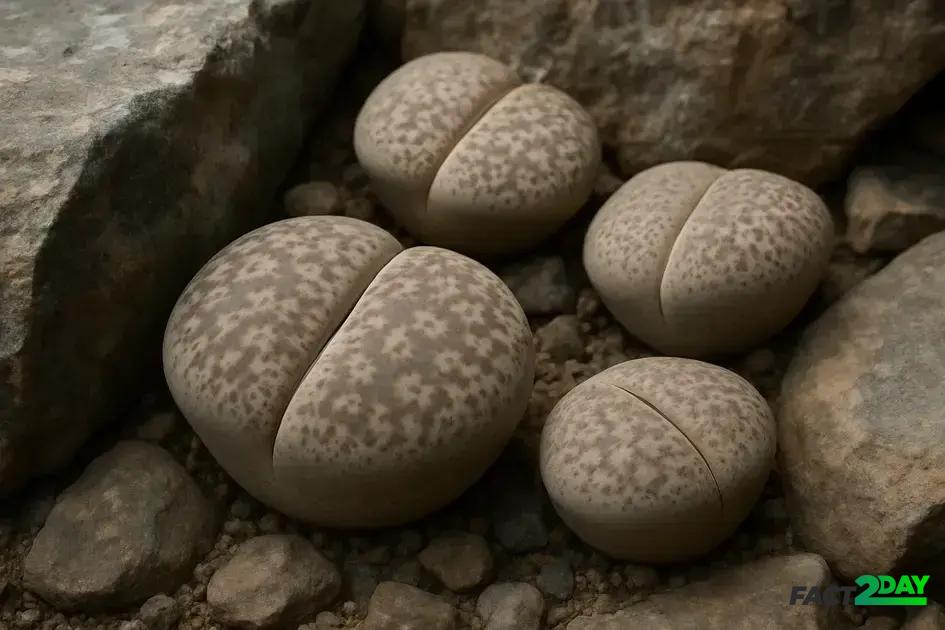
Living rocks are among nature’s most mind-boggling phenomena, blurring the lines between organisms and stones. Ever wondered how something so bizarre can thrive by pretending to be just a rock? Stick around to uncover this strange but fascinating secret!
What are living rocks? An introduction
Living rocks are fascinating organisms that mimic the appearance of actual stones to evade predators and survive in harsh environments. Despite looking like ordinary rocks, these organisms are alive, often composed of colonies of tiny creatures such as lichens, coralline algae, or stromatolites, which create layered structures over time.
What Makes Living Rocks Unique?
Unlike typical plants or animals, living rocks grow incredibly slowly and have a hard, rock-like exterior that blends seamlessly with their surroundings. This camouflage helps them avoid detection by herbivores and prevents damage from environmental factors.
Where Are Living Rocks Found?
These organisms usually thrive in coastal regions, coral reefs, and rocky shorelines. Some types form part of marine ecosystems, while others can be found on land in deserts or mountainous areas, adapting to a wide range of climates and conditions.
Why Are They Important?
Living rocks contribute to their ecosystems by forming habitats for other marine animals and protecting shorelines from erosion. Their slow growth and unique structure provide clues about climate change and environmental health over long periods.
The biology behind living rocks
The biology behind living rocks is complex and fascinating. These organisms are primarily made up of symbiotic relationships between various life forms, such as algae and fungi. The most common living rocks are lichens, which consist of fungi providing structure and algae performing photosynthesis to produce energy.
Symbiosis in Living Rocks
Living rocks rely on a delicate symbiotic relationship where both organisms benefit and work together closely. The fungus offers protection and absorbs moisture, while the algae create food through sunlight. This partnership enables living rocks to survive in tough environments.
Growth and Structure
Over time, living rocks grow by adding new layers of fungal tissue and algae. This slow growth creates a hard, crusty surface that mimics the texture of real stones. The outer layer serves as a shield against predators and environmental stress.
Adaptations for Survival
Living rocks have developed special adaptations such as resistance to drought and the ability to handle temperature fluctuations. These adaptations help them thrive in dry, rocky areas where few other organisms can survive.
Some types of living rocks in marine environments, like coralline algae, contribute to reef building by producing calcium carbonate, which hardens their structure and provides shelter for various marine species.
How living rocks camouflage with their environment
Living rocks have developed extraordinary camouflage techniques that help them blend seamlessly into their surroundings. Their colors and textures mimic natural stones, making them nearly invisible to predators and passersby.
Color Matching
One of the main ways living rocks camouflage is by adopting the color palette of nearby rocks. They often take on shades of gray, brown, green, or even reddish hues, which helps them merge with the local terrain.
Texture and Surface Patterns
The surface of living rocks mimics the rough, uneven textures of actual stones. This includes cracks, bumps, and patches of moss or algae that further disguise their biological nature. This texture mimicry is vital for avoiding detection.
Shape Adaptation
Many living rocks grow in irregular shapes that match the surrounding rocks. This irregular shape helps to break up their outline, making it harder for predators or curious animals to distinguish them from genuine stones.
Environmental Integration
Living rocks often inhabit areas with a variety of rocks and minerals. By integrating elements like sand, dirt, or organic matter on their surfaces, they increase their chances of remaining unnoticed in their natural habitat.
These adaptations serve as a natural defense mechanism, allowing living rocks to survive in harsh, exposed environments without being disturbed.
Famous examples of living rock organisms
There are several well-known organisms classified as living rocks due to their stone-like appearance and biological nature. One famous example is the coral colonies found in marine environments, which build extensive rock-like structures called reefs. These reefs provide homes and protection for many ocean creatures.
Stromatolites
These are layered structures created by cyanobacteria, one of the oldest known life forms. Stromatolites look like rocks but are collections of living microorganisms trapped in layers of mineral deposits. They have persisted for billions of years, offering insights into early life on Earth.
Lichens
Lichens are another example and are often found on rocks, trees, and soil. They consist of fungi and algae living symbiotically. Some types of lichens grow slowly and harden over time, resembling stones and blending perfectly into their environments.
Coralline Algae
These marine algae deposit calcium carbonate in their cell walls, making their surfaces hard and rock-like. They play a vital role in reef ecosystems and shorelines, cementing together coral fragments and stabilizing reefs.
Other Examples
In deserts and rocky landscapes, certain types of mosses and fungi form crusts that appear as living rocks. These organisms help prevent soil erosion and maintain ecosystem balance in very harsh habitats.
The ecological role of living rocks
Living rocks play a crucial ecological role in their environments. By blending into rocky landscapes, they provide habitats and shelter for various small creatures, such as insects, marine animals, and microorganisms.
Habitat Formation
Many living rocks, especially those in marine settings like coralline algae and stromatolites, contribute to building complex structures such as reefs. These structures support biodiversity by offering food, shelter, and breeding grounds for fish, crustaceans, and other marine life.
Soil and Ecosystem Stabilization
On land, living rocks like lichens contribute to soil formation by breaking down rocks slowly through chemical and physical means. This process helps create soil that supports plants and other life forms, stabilizing fragile ecosystems.
Protection Against Erosion
The hard layers of living rocks help protect shorelines and rocky terrains from erosion caused by wind and water. They act as natural barriers, reducing the impact of waves and rain.
Environmental Indicators
Because living rocks are sensitive to changes in their environment, they serve as bioindicators. Scientists study them to monitor pollution levels, climate changes, and ecological health.
Overall, living rocks foster balance and resilience in many ecosystems, making them vital components of both land and marine habitats.
Survival strategies of living rocks
Living rocks have developed unique survival strategies to thrive in some of the harshest environments on Earth. Their ability to mimic stones offers protection, but they rely on several other adaptations to endure extreme conditions.
Dormancy and Slow Growth
Many living rocks grow very slowly and can enter dormancy during unfavorable conditions such as drought or extreme cold. This slow metabolism helps them conserve energy and survive until conditions improve.
Symbiotic Relationships
Most living rocks are formed through symbiosis, such as lichens combining fungi and algae. This relationship allows them to produce their own food through photosynthesis while receiving moisture and nutrients from their partner.
Resistance to Environmental Stress
Living rocks are highly resistant to drying out, temperature swings, and UV radiation. Their tough, crusty outer layer shields the inner cells from damage, helping them survive intense sunlight and wind.
Ability to Absorb Moisture
Some living rocks can absorb water from the air, dew, or rain, allowing them to stay hydrated during dry periods. This capacity is crucial for survival in rocky, arid habitats.
Using camouflage as defense
Their stone-like appearance acts as a natural defense mechanism, making it difficult for herbivores and predators to spot or recognize them as food.
Differences between living rocks and ordinary stones
Living rocks look much like ordinary stones, but they have distinct differences that set them apart. The key difference is that living rocks are biological organisms, while ordinary stones are inorganic natural formations.
Composition
Ordinary stones are made from minerals like quartz, granite, or limestone. In contrast, living rocks consist of living cells, mostly fungi and algae working together in a symbiotic relationship. This makes living rocks alive and capable of growth.
Growth and Change
Living rocks grow very slowly by adding layers of biological material, whereas ordinary stones do not grow or change except by external factors like erosion or weathering. This growth allows living rocks to repair minor damage and adapt to their environment.
Texture and Surface
The surface of living rocks often appears rough and crusty due to layers of algae and fungi, while ordinary stones have varied textures from smooth to jagged, depending on their type and weathering process.
Function in Ecosystems
Living rocks play active roles in ecosystems by providing habitats and contributing to nutrient cycles. Ordinary stones offer physical structure but no biological activity.
Response to Environment
Living rocks respond to their environment by changing color, entering dormancy, or reproducing. Ordinary stones remain static unless affected by physical forces.
Scientific studies and discoveries about living rocks
Scientific studies on living rocks have shed light on their biology, ecology, and evolutionary importance. Researchers use various methods such as microscopy, genetic analysis, and field observations to understand these organisms better.
Microscopic Research
Microscopy allows scientists to observe the tiny algae, fungi, and bacteria that make up living rocks. These studies reveal the complex structures and interactions between different organisms within the living rock.
Genetic Discoveries
DNA analysis has helped identify the specific species involved in symbiotic relationships, clarifying how they evolve and adapt. These findings show the intricate cooperation needed for living rocks to survive in harsh environments.
Ecological Impact Studies
Field research demonstrates the role living rocks play in ecosystems, such as their contribution to reef formation and soil stabilization. This work helps to quantify their importance in maintaining environmental balance.
Historical and Evolutionary Insights
Studying ancient living rocks like stromatolites provides insights into early life on Earth and how organisms have evolved over billions of years. They serve as natural archives of life’s history.
Applications in Biomimicry
Some scientific discoveries inspire biomimetic designs, where engineers mimic living rocks’ durable structures and camouflage strategies to develop new materials and technologies.
How living rocks inspire biomimicry and technology
Living rocks inspire biomimicry and technological innovations due to their unique ability to blend strength, adaptability, and camouflage. Scientists and engineers study these organisms to develop new materials and designs that mimic their qualities.
Durable and Lightweight Materials
Researchers are exploring the tough yet lightweight structure of living rocks to create building materials that are both sturdy and efficient. Their layered composition offers insights into designing composites that can withstand harsh conditions.
Camouflage Technology
The natural stone-like appearance of living rocks drives innovation in stealth and camouflage technologies. By imitating their texture and color-changing abilities, military and fashion industries aim to develop materials that adapt to different environments.
Self-Healing Surfaces
Living rocks’ slow growth and ability to repair minor damage inspire self-healing materials. These materials can fix cracks or wear over time, increasing the lifespan and sustainability of products.
Environmental Sensors
Studies of living rocks’ sensitivity to environmental changes help in creating biosensors that detect pollutants, temperature shifts, or moisture levels, aiding in environmental monitoring.
These innovations derived from living rocks show how nature’s designs can lead to efficient and sustainable technologies in architecture, defense, and environmental science.
Challenges living rocks face in nature
Living rocks face several challenges in their natural habitats despite their impressive adaptations. These obstacles impact their growth, survival, and ability to maintain their camouflage.
Environmental Stress
Living rocks often endure extreme weather conditions such as drought, temperature fluctuations, and intense sunlight. These stresses can slow down their growth and, in some cases, cause damage to their delicate biological structures.
Pollution
Air and water pollution can harm the microorganisms that make up living rocks. Contaminants may alter their chemistry, leading to reduced resilience and making it harder for them to survive and reproduce.
Human Disturbance
Activities like construction, mining, and tourism can physically damage living rocks or disrupt the ecosystems they support. Trampling and collection of rocks also threaten their existence in certain areas.
Competition and Predation
Although well camouflaged, living rocks can still fall prey to herbivores or invasive species that consume or outcompete them for resources.
Climate Change
Long-term changes in climate affect moisture levels, temperature ranges, and sea levels, which can all impact marine and terrestrial living rocks, potentially threatening their survival.
Understanding these challenges helps in developing conservation efforts to protect these unique and important organisms.
How to observe living rocks safely and responsibly
Observing living rocks can be a fascinating experience if done safely and responsibly. It is important to minimize impact to preserve these unique organisms and their environments.
Respect the Habitat
Always avoid disturbing the area around living rocks. This means not removing or stepping on them, as even slight damage can take years to heal given their slow growth.
Use Proper Tools
Carry a camera or magnifying glass to observe details without touching. Avoid collecting samples unless you have permission from local authorities or researchers.
Follow Local Guidelines
Different locations may have rules protecting living rocks. Check with wildlife or park authorities before visiting to know what activities are allowed.
Educate Yourself and Others
Learn about living rocks before visiting so you understand their importance. Share this knowledge to promote conservation and responsible behavior.
Leave No Trace
Take all trash with you and avoid introducing foreign substances like chemicals or fertilizers near these ecosystems. Protect both living rocks and surrounding wildlife.
Being mindful ensures living rocks continue to thrive, allowing future generations to enjoy and study these incredible organisms.
Understanding living rocks and their importance
Living rocks are remarkable organisms that blur the lines between life and stone. Their unique biology, survival strategies, and ecological roles make them a fascinating subject of study.
By learning how they camouflage, survive, and contribute to ecosystems, we gain a better appreciation for nature’s complexity. Observing living rocks safely helps protect these slow-growing organisms for the future.
Through ongoing scientific research and inspiration from living rocks, new technologies and materials continue to emerge, showing how much we can learn from the natural world.
Protecting living rocks and their habitats ensures these mysterious organisms remain part of our planet’s diverse life forms.