Lightning Fusing Forest Soil into Natural Glass
Discover how lightning-induced glass forms naturally by fusing forest soil, creating unique geological wonders out in the wild.
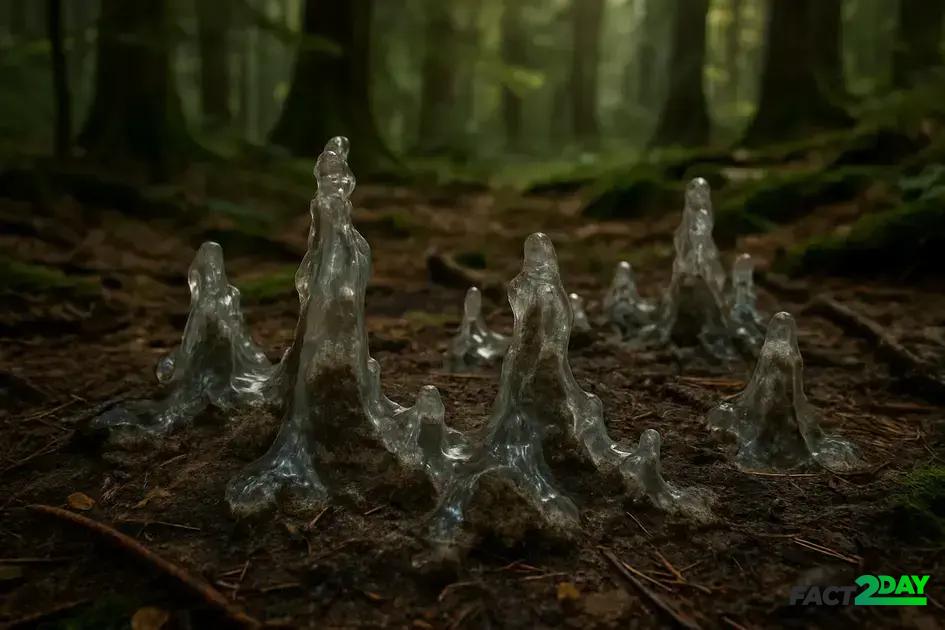
Lightning-induced glass forms when lightning strikes forest soil, generating extreme heat that fuses silica-rich minerals into unique glassy formations called fulgurites, offering valuable insights into geological and environmental processes.
Have you ever wondered how lightning-induced glass forms in the heart of a forest? It’s a fascinating natural process turning soil into glassy shapes, offering a glimpse into nature’s hidden artistry.
what is lightning-induced glass?
Lightning-induced glass is a rare natural material formed when lightning strikes the ground, melting the soil or sand instantly due to its extreme heat. This sudden fusion creates unique glassy structures called fulgurites. They often appear as tubular formations that capture the path of the lightning bolt underground.
Fulgurites vary in shape and size depending on soil composition and the intensity of the lightning strike. The molten silica cools rapidly, preserving intricate internal textures and the vivid path left by the lightning. These formations provide valuable information for geologists studying natural lightning effects and soil characteristics.
How fulgurites form
When lightning hits the earth, temperatures can exceed 1,800°C, instantly melting quartz and sand particles. The intense heat vaporizes some materials, producing hollow tubes where molten glass solidified quickly. The resulting glass is often rough on the outside but smooth and shiny inside.
Scientific importance
Besides their fascinating appearance, lightning-induced glass helps scientists understand lightning’s impact on the earth’s surface. Studying fulgurites sheds light on electrical discharge patterns and helps identify past lightning activity in certain regions, offering clues about climate and environment.
how lightning fuses soil into glass
When lightning strikes the ground, it releases a tremendous amount of energy in a very short time. This energy instantly heats the soil to extreme temperatures, often above 1,800°C, which is hot enough to melt minerals like quartz found in the soil. The heat causes the soil particles to fuse together and form natural glass, commonly called fulgurite.
The process happens so quickly that the molten soil cools and solidifies almost instantly, creating unique glassy structures that preserve the shape of the lightning’s path underground. These formations often appear as hollow tubes or branching shapes, reflecting the electrical discharge channels.
The role of heat and pressure
Besides temperature, the pressure from the lightning strike also influences the glass formation. The sudden expansion of heated gases forces the soil outward, shaping the glassy tubes. This combination of heat and pressure leads to a variety of textures on the surface and inside the fulgurites.
Variations based on soil type
The exact composition of the soil affects how the glass forms. Soils rich in silica tend to produce clearer and more durable glass, while soils with more organic material or clay may create darker or more brittle fulgurites. This diversity helps scientists study the conditions under which these fascinating natural glasses are formed.
the role of forest soil composition
The composition of forest soil plays a crucial role in the formation of lightning-induced glass. Soils rich in quartz and silica are more likely to melt and fuse when struck by lightning, resulting in clear and robust glass structures. On the other hand, soils with higher organic content or clay can produce darker, more brittle glass.
Forest soils vary widely depending on the region, tree species, and other environmental factors. These variations affect the mineral content and how the soil reacts to the intense heat of a lightning strike. For example, sandy soils with high silica content tend to create more defined and durable fulgurites.
Mineral content and glass characteristics
The specific minerals present influence the color and texture of the glass. High silica levels typically yield transparent to translucent glass, while other minerals add shades of brown or green. This diversity in composition allows scientists to trace the geological history and understand ecological conditions.
Impact of organic material
Organic matter in forest soil can affect the melting process. When heated rapidly by lightning, organic materials may burn off or cause impurities in the glass formation. This often results in irregular or less stable glass structures, which may degrade faster over time.
Overall, the intricate mix of minerals, sand, and organic matter within forest soil defines the unique qualities of lightning-induced glass formed in different locations.
geological significance of natural glass
Natural glass formed by lightning strikes offers significant insights into geological processes. These glassy formations, known as fulgurites, act as natural records of past lightning activity and environmental conditions. By studying them, geologists gain valuable information about soil composition, weather patterns, and the frequency of lightning strikes in specific areas.
Indicators of past climate and environment
Fulgurites can help reconstruct historical climate data by revealing how often intense storms and lightning occurred. This information contributes to understanding changes in weather over decades or even centuries.
Understanding soil and mineral interactions
The unique textures and structures within lightning-induced glass reveal how minerals interact under extreme conditions. This knowledge assists scientists in exploring similar fusion processes in volcanic glass or meteorite impacts.
Trace element analysis
Examining the chemical elements trapped within natural glass helps identify the types of soil and organic material present at the moment of formation. Such studies deepen our understanding of the earth’s surface evolution and geological transformations.
locating lightning-induced glass in forests
Locating lightning-induced glass in forests requires understanding where lightning strikes are most likely to occur. Areas with tall trees, open clearings, and higher elevations generally experience more frequent lightning activity. These regions provide the best chances to find natural glass formed from fused soil.
Identifying potential sites
Researchers often look for spots with sandy or silica-rich soils combined with evidence of recent lightning strikes. Burn marks on trees, charred ground, and fulgurite fragments are strong indicators of lightning impact.
Using technology to assist searches
Modern tools like lightning strike maps, ground-penetrating radar, and soil sampling help scientists pinpoint locations where natural glass might be present. These technologies increase accuracy and reduce the time required in the field.
Exploring forest floors after storms can reveal unique glassy formations partially buried in soil or hidden beneath leaf litter. Careful excavation and preservation are important to study these delicate structures.
environmental effects of lightning strikes
Lightning strikes have significant environmental effects that transform forest ecosystems in various ways. The intense heat and energy release during a strike can cause immediate damage to vegetation, creating burn scars on trees and starting fires that affect large areas.
Impact on soil and nutrient cycles
Lightning can alter soil chemistry by melting minerals and creating lightning-induced glass formations. These changes affect nutrient availability and microbial activity in the soil, sometimes enhancing fertility in the burnt areas over time.
Triggering wildfires
One of the most notable environmental effects is the initiation of wildfires. While destructive, fires also play a role in natural forest regeneration, clearing dead matter and encouraging new growth. Lightning is a natural fire starter in many forest regions.
Effect on wildlife
Lightning and resulting fires can disrupt animal habitats, forcing species to migrate or adapt quickly. However, new plant growth after fires can create fresh feeding grounds and support a diversity of wildlife.
Understanding these effects helps ecologists manage forest health and prepare for the natural disturbances caused by frequent lightning activity.
scientific studies on natural glass formations
Scientific studies on natural glass formations like fulgurites provide valuable insight into the effects of lightning on the Earth’s surface. Researchers use various methods including microscopy, chemical analysis, and imaging techniques to understand how these glasses form and what they reveal about environmental conditions.
Microscopic analysis
Scientists examine the internal structure of lightning-induced glass under microscopes to identify mineral grains and fused patterns. This helps reveal how quickly the glass cooled and the temperatures reached during formation.
Chemical and elemental studies
By analyzing trace elements and isotopes within natural glass, researchers can determine the composition of soils and the impact of organic materials. These chemical signatures shed light on the geological context and lightning’s role in soil transformation.
Imaging and mapping techniques
Advanced imaging such as X-ray tomography allows for 3D visualization of fulgurite structures without damaging samples. Mapping the distribution of these formations in forests helps scientists track lightning activity patterns over time.
These scientific approaches combined enhance our understanding of both lightning-induced glass and broader geological processes affecting soil and rock formations worldwide.
preserving and protecting these rare natural phenomena
Preserving and protecting lightning-induced glass formations is essential due to their rarity and scientific value. These natural glasses are fragile and can be easily damaged by human activity, weathering, and environmental changes.
Challenges in preservation
Exposure to wind, rain, and foot traffic can erode fulgurites over time. Collecting samples without proper care can also destroy key scientific evidence about their formation and composition.
Conservation strategies
Establishing protected areas around known fulgurite sites helps reduce disturbance. Educating the public and local communities on the importance of these formations encourages responsible behavior.
Scientific documentation and monitoring
Detailed recording through photography, 3D scanning, and mapping allows scientists to monitor changes and assess preservation efforts. This data supports the creation of guidelines for sustainable interaction with these natural glasses.
Collaboration between researchers, conservationists, and policymakers is key to ensuring that these rare geological treasures remain intact for future study and appreciation.
Understanding lightning-induced glass and its importance
Lightning-induced glass is a fascinating natural phenomenon that reveals the powerful forces of nature at work. Formed by extreme heat fusing forest soil, these rare glass formations offer valuable insights into geological and environmental processes.
Studying and protecting lightning-induced glass helps preserve important scientific information and deepens our knowledge of earth’s natural history. As we continue to learn more, we appreciate how these unique glasses connect us to the dynamic cycles of nature.
By valuing and safeguarding these natural wonders, we ensure that future generations can explore and enjoy the extraordinary impact lightning has on our planet.