Forgotten Scourges: Lesser-Known Plagues and Pandemics That Shaped History
Explore lesser-known historical plagues that silently shaped societies and altered the course of history in subtle, powerful ways.
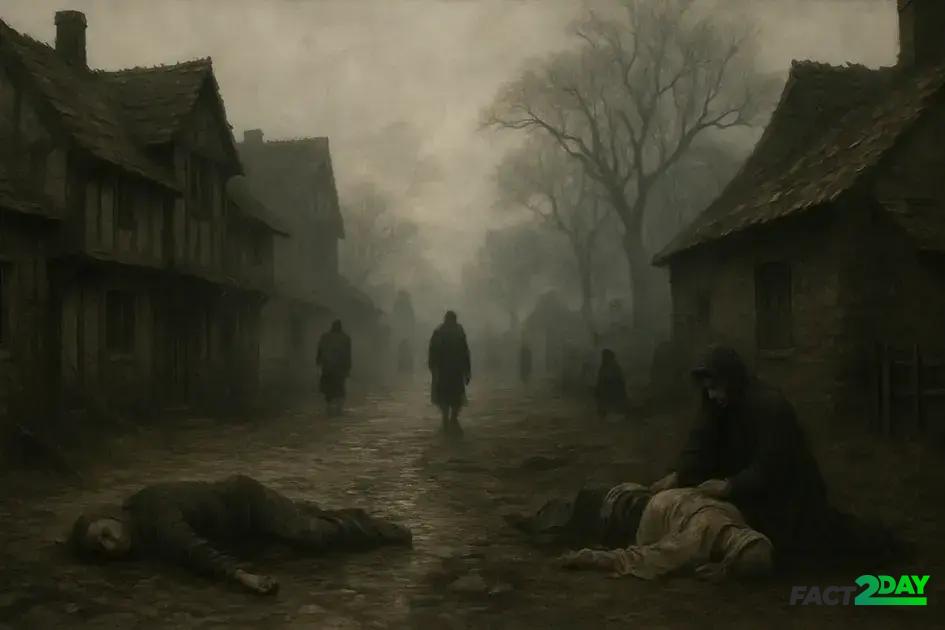
Lesser-known historical plagues significantly impacted societies by altering populations, social structures, and health responses, revealing hidden threats and offering crucial lessons for managing modern pandemics.
Have you ever wondered about the lesser-known historical plagues that quietly shaped our world? These forgotten scourges often escape the spotlight but left lasting marks on cultures and health. Join me on a journey to uncover their silent influence.
the shadows of history: overlooked plagues that influenced civilizations
Throughout history, not all plagues received the attention they deserved despite their significant impact. These overlooked plagues quietly shaped civilizations, altering populations and influencing political and social structures. For example, the Plague of Justinian in the 6th century devastated the Byzantine Empire, weakening it and reshaping power dynamics in the region. Similarly, the cocoliztli epidemics in 16th-century Mexico caused huge mortality rates among indigenous populations, affecting the cultural landscape profoundly.
These lesser-known outbreaks often lacked detailed records, making their full impact easy to underestimate. However, their effects ripple through history by reframing economic conditions and triggering migrations. They sometimes fostered changes in public health approaches and urban planning in response to disease threats.
Societal Influence of Forgotten Plagues
Beyond the immediate loss of life, these plagues impacted social cohesion and trust. Communities struggled with fear, stigma, and disruption. In some instances, entire classes or groups suffered disproportionately, which shifted societal hierarchies and labor forces. Understanding these nuances gives us valuable insight into how plagues shaped human development silently but powerfully.
how lesser-known pandemics revealed nature’s hidden threats
Lesser-known pandemics often reveal nature’s hidden threats that remain dangers despite their obscurity. These outbreaks show how microorganisms can rapidly adapt and spread, catching societies off guard. For instance, the 1918 Russian flu pandemic, less discussed than the Spanish flu, demonstrated the unpredictable mutation of viruses and the challenge of early containment.
Studying these pandemics uncovers patterns in transmission and how viruses jump from animals to humans, highlighting zoonotic diseases’ risks. They remind us that unseen pathogens exist in environments worldwide, waiting for conditions to trigger outbreaks.
Understanding viral evolution and impact
These events emphasize the evolving nature of viruses and bacteria, pushing scientists to improve surveillance and preparedness. They also reveal gaps in historic medical knowledge, where symptoms were misunderstood or misrecorded, delaying responses.
Learning from these lesser-known pandemics guides current strategies to predict and prevent future health crises by recognizing warning signs earlier and mobilizing resources effectively.
impacts beyond death: social and cultural ripples of minor plagues
Minor plagues often caused effects far beyond the immediate loss of life, creating waves that shaped societies and cultures. Social structures could shift as labor shortages led to changes in work roles and economic power. In some cases, plagues hastened the decline of ruling classes or shifted wealth distribution among survivors.
Culturally, these outbreaks influenced art, religion, and daily life. People sought explanations through faith, resulting in new rituals or shifts in belief systems. For example, some communities practiced quarantine or isolation long before modern medicine understood the reasons.
Economic and demographic consequences
The reduced population often led to agricultural and industrial declines, but it sometimes spurred technological innovation or migration to new areas. These changes altered community compositions and could either fracture or strengthen social bonds, depending on the context.
Understanding these social and cultural ripples helps us appreciate how minor plagues contributed to shaping history’s complex human story beyond just statistics of mortality.
outbreak stories: tracing forgotten epidemics through time
Many forgotten epidemics left traces that historians and scientists work hard to discover. Outbreak stories often come from ancient texts, burial sites, and archaeological findings. These clues help us piece together how diseases spread and affected populations long ago.
For example, the Plague of Athens in 430 BCE is known mainly from the writings of Thucydides, who described its symptoms and social impact. Similarly, DNA analysis of old remains has revealed outbreaks of diseases like tuberculosis and smallpox centuries before modern records.
Investigating lost epidemics through science and history
Techniques such as paleogenomics allow scientists to identify pathogens in ancient bones. This helps confirm hypotheses about past outbreaks and reveals how they influenced migration and development.
Tracing these epidemics is important for understanding how diseases evolve. It also highlights the resilience and adaptability of human societies through difficult times.
lesser-known plagues and their lessons for modern health crises
Lesser-known plagues teach valuable lessons for addressing today’s health crises. These outbreaks reveal how quickly diseases can spread and the importance of timely responses. Studying past pandemics highlights the need for early detection, effective communication, and coordinated global action.
For example, lessons from the 1918 Russian flu showed how misinformation and lack of preparedness worsened the impact. These insights shape modern public health policies, encouraging investment in surveillance systems and healthcare infrastructure to limit future outbreaks.
Importance of community response and healthcare support
Historical plagues also emphasize the value of public cooperation and access to medical services. Societies that implemented quarantine measures and promoted hygiene practices fared better, showing that community involvement is crucial.
Understanding the weaknesses exposed by past lesser-known plagues enables governments and organizations to build resilience. This helps manage current health threats, such as emerging infectious diseases and pandemics, more effectively.
preserving memory: why understanding forgotten plagues matters today
Understanding and preserving the memory of forgotten plagues is essential for appreciating the full scope of human history. These events, often overshadowed by more famous pandemics, reveal critical insights into how societies coped and adapted.
Preserving memory helps us acknowledge the resilience of past communities and the challenges they faced. It also provides valuable lessons for current public health efforts, reminding us that disease outbreaks can return unexpectedly.
Importance of historical awareness for future preparedness
Knowing about forgotten plagues fosters better preparedness by highlighting past mistakes and successes. Museums, archives, and academic research play significant roles in keeping this knowledge alive, promoting awareness among the public and policymakers.
By respecting these memories, we build cultural empathy and strengthen the global commitment to fight future pandemics with informed strategies and compassion.
Understanding forgotten plagues helps us prepare better
Exploring lesser-known plagues teaches us about history’s hidden challenges and how societies adapted. These stories remind us that diseases can surprise us if we are not ready.
By learning from past outbreaks, we can improve our responses to future health crises. Remembering these events builds awareness, encourages research, and strengthens public health efforts worldwide.
Keeping the memory of forgotten plagues alive is not just about the past, but about protecting our future.