History or Fun? The Dilemma of Historical Accuracy in Video Games
Jogos baseados em história (precisão) exploram o equilíbrio entre fatos reais e diversão nos videogames, despertando debates fascinantes entre jogadores.
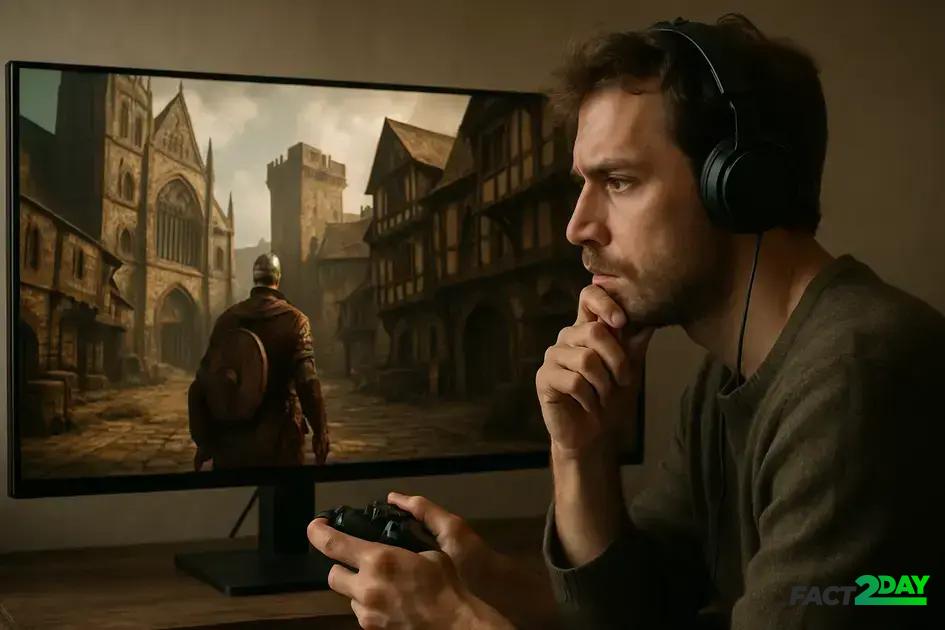
History-based (accuracy) games balance real facts and creativity to offer educational and engaging experiences, allowing players to explore the past with immersion and narrative freedom.
Have you ever stopped to think about how history-based (accuracy) games shape our view of the past? Between reality and fun, this balance raises interesting questions worth exploring together.
The Impact of Historical Accuracy on the Game Experience
The impact of historical accuracy on the gaming experience is significant. When games strive to reflect real events and settings accurately, players often feel more immersed and connected to the story. This attention to detail can create a richer atmosphere, making history come alive in interactive ways that books or movies can’t always achieve.
However, accuracy affects different players in various ways. Some gamers appreciate strict adherence to historical facts, valuing education and authenticity in gameplay. Others might find it restrictive, preferring creative liberties that enhance fun or storytelling. Developers must carefully balance these expectations to engage a wider audience.
Moreover, the use of authentic costumes, architecture, weaponry, and language amplifies the feeling of being transported to another time. These elements contribute to a convincing world where players can explore history through their own actions. Yet, even small inaccuracies or anachronisms can break immersion for those who know the facts well.
Balancing realism and interactivity
While historical accuracy enriches the narrative, it can also limit gameplay mechanics. Developers often adjust timelines or events to fit game design, creating scenarios that maximize player engagement without compromising the integrity of the core historical theme. This balance is crucial to maintain both educational value and entertainment.
In summary, the impact of historical precision shapes player experience by affecting immersion, enjoyment, and learning opportunities. Understanding this dynamic helps players and creators appreciate the challenges behind crafting historically based games.
how games balance facts and creativity
Games that balance facts and creativity face the challenge of staying true to history while offering engaging gameplay. Many developers use a mix of accurate settings and fictional stories to create worlds that feel authentic but also fun to explore.
Creative liberties allow designers to adjust timelines, invent characters, or add fantastical elements to boost excitement. This approach keeps players entertained without overwhelming them with strict historical lessons.
The role of storytelling
Storytelling is a key tool to merge reality and imagination. By weaving fictional narratives into real events, games provide emotional depth and player choice. This helps connect audiences to history on a personal level, making learning more dynamic.
Some games even use alternate history scenarios, letting players explore “what-if” situations. This sparks curiosity and encourages critical thinking about actual historical outcomes versus imagined ones.
Overall, the balance between facts and creativity invites players to enjoy history both as an educational experience and as a playground for imagination.
the role of the player in historical interpretation
The role of the player in historical interpretation is essential. Players actively engage with the game world, making choices that can shape their understanding of past events. This interaction means history is not just consumed but experienced, allowing players to explore different perspectives.
Player choices often influence how historical narratives unfold in games. Some titles let players decide outcomes or explore alternate histories, making them co-creators of the story rather than passive observers.
Critical thinking and awareness
By engaging with historical content, players develop critical thinking. They learn to question what’s accurate and what’s fictional, which enhances their awareness of history’s complexity. This deeper involvement can spark interest in real-world history outside the game.
Furthermore, players bring their own backgrounds and knowledge to the game, enriching the interpretation. Discussions in communities can also broaden perspectives, as players share insights and debate historical accuracy.
Ultimately, the player’s role is dynamic, shaping how history is represented and understood in video games.
The balance between history and gameplay matters
Understanding how accuracy, creativity, and player interpretation work together helps us see why historical games are so compelling. They offer more than just fun—they can teach and inspire curiosity about the past.
Whether players seek true-to-life details or creative stories, both approaches have value in shaping how we experience history. The key is appreciating the unique role each game and player has in bringing history to life in its own way.
By exploring these games thoughtfully, players become part of a larger conversation about history and entertainment.