Forgotten Geniuses: The Amazing Inventions That Were Centuries Ahead of Their Time
Invenções antes da hora revelam criações surpreendentes que ressoam séculos à frente no tempo, despertando a curiosidade em cada descobridor.
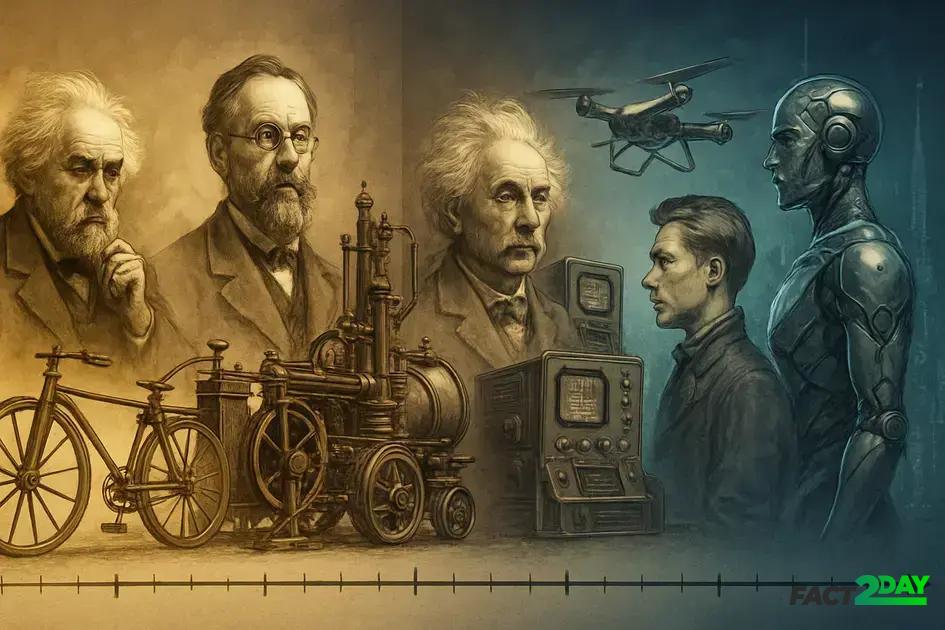
Precocious inventions are innovative creations that emerged centuries ahead of their time, influencing technological development and inspiring modern advances despite their delayed recognition.
Precocious inventions are fascinating because they demonstrate how ideas can be ahead of their time and challenge our understanding. Have you ever wondered how these creations shaped the present, even without immediate recognition?
forgotten inventions that changed the world
Throughout history, there are countless forgotten inventions that fundamentally changed the world, even if their creators did not receive recognition at the time. For example, the Antikythera mechanism, an ancient Greek analog computer, demonstrated advanced knowledge of astronomy, centuries before modern technology.
Other inventions, like Leonardo da Vinci’s flying machine sketches, showcased ideas far beyond what was feasible in his era but later inspired essential advancements in aviation. These forgotten creations highlight how early innovators laid the groundwork for equipment and technologies that define our modern life.
Examples of Forgotten Game-Changers
The steam engine precursors, designed well before the Industrial Revolution, paved the way for new energy applications. Similarly, early concepts of the submarine and parachute existed long before they were successfully developed and widely used.
Understanding these inventions helps us appreciate technology’s evolution and reminds us that innovation often requires time to be fully realized. Recognizing the significance of these hidden milestones offers valuable lessons on creativity and progress.
the impact of ideas ahead of their time
Ideas ahead of their time often face skepticism but can profoundly shape future society. Innovators who envisioned concepts like wireless communication or renewable energy long before their widespread adoption paved the way for modern advancements that now fuel global progress.
These early ideas challenge traditional thinking and inspire breakthroughs, highlighting how visionaries see possibilities others cannot yet imagine. For instance, the concept of smartphones existed decades before technology made them a reality.
The ripple effect of advanced ideas
When revolutionary concepts finally emerge, they can transform industries, economies, and daily life. They encourage investment in research and development, foster new markets, and create jobs. The influence of these forward-thinking dreams is visible in the rapid evolution of technology and culture.
Recognizing the power of such ideas teaches us the importance of nurturing creativity and remaining open to the novel—and sometimes seemingly impossible—as foundations for future success.
lessons that ancient inventions teach us
Ancient inventions offer valuable lessons about creativity, perseverance, and the value of innovative thinking. These inventions, often created under limited resources, show us how simple ideas can have a lasting impact when executed thoughtfully.
Studying these early innovations teaches us the importance of observation and adapting to the environment. For example, ancient irrigation systems reveal how communities solved complex problems with practical methods that ensured survival and growth.
Enduring lessons from the past
The process of trial and error behind many ancient discoveries reminds us that failure is a part of innovation. By embracing mistakes as learning opportunities, inventors can refine their ideas and eventually succeed.
Modern inventors benefit by respecting these lessons and combining timeless wisdom with current technology. This helps create solutions that are both efficient and sustainable, fostering progress that respects natural and social contexts.
Understanding the value of past inventions
Exploring ancient inventions teaches us important lessons about creativity and problem-solving. These innovations show that great ideas can come from simple beginnings and careful observation.
By learning from the successes and failures of early inventors, we can better appreciate the process of innovation. Combining this wisdom with modern technology helps us build smarter and more sustainable solutions for the future.
Remember, embracing the lessons of the past can inspire new inventions and continue the cycle of progress that shapes our world.