The Silent Invasion: How Invasive Species Are Reshaping Ecosystems
Invasive species impact ecosystems in profound ways, altering habitats and biodiversity. Discover how these silent invaders quietly reshape our natural world.
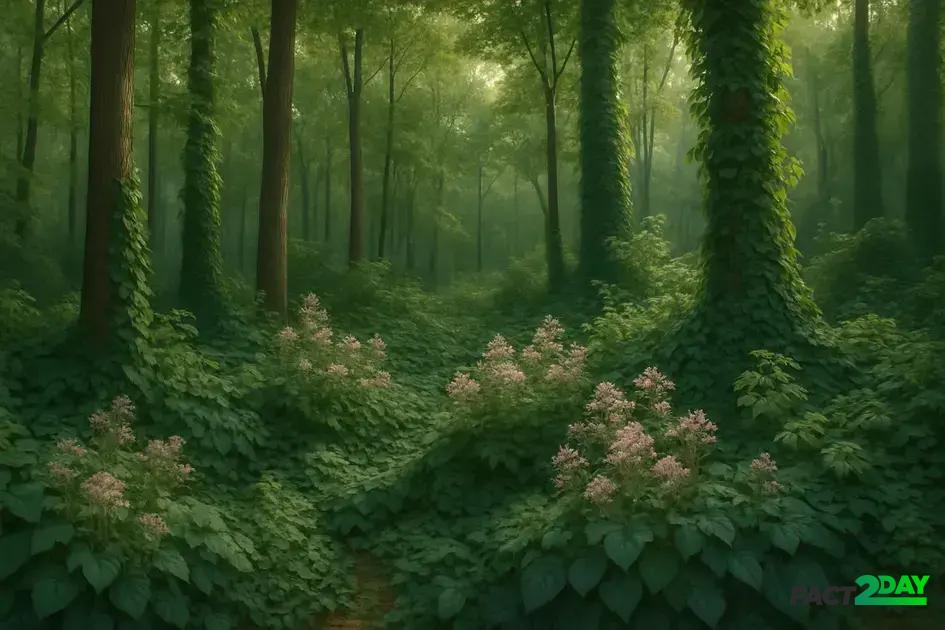
Invasive species impact ecosystems by outcompeting native species, disrupting biodiversity, altering food webs, and weakening the resilience and health of natural habitats.
Have you ever wondered about the quiet changes happening in nature? The invasive species impact on ecosystems is subtle but profound, reshaping life in ways most of us rarely see. Let’s explore what this silent invasion really means for the balance of our natural world.
understanding the ecological shifts caused by invasive species
Invasive species can cause profound ecological shifts by disrupting the natural balance where they settle. These species may outcompete native plants and animals for food, space, and resources, often leading to declines or local extinctions of native species. This shift can alter food webs, changing predator-prey relationships and nutrient cycles.
For example, invasive plants may grow rapidly, shading out native vegetation and changing soil chemistry. Invasive animals might prey on native species not adapted to their presence, or introduce new diseases. These changes often ripple through the ecosystem, affecting even species not directly targeted by the invaders.
Such disturbances can reduce biodiversity, weaken ecosystem resilience, and make habitats less suitable for native wildlife. Understanding these complex ecological shifts is essential for managing the impacts and protecting native ecosystems from further harm.
how invasive species alter native biodiversity balance
Invasive species often disrupt the native biodiversity balance by dominating resources and habitats that native species rely on. They can reproduce quickly and spread across large areas, reducing space and food availability for native plants and animals.
Competition and predation are two primary ways invasive species alter biodiversity. They may directly consume native species or compete for the same food and nesting sites, pushing native populations to decline. Some invasive species introduce diseases that native species have no resistance to, causing further harm.
These changes can lead to a loss of species diversity, affecting the health of the entire ecosystem. Valuable pollinators, predators, and plants may become rare or extinct locally, which weakens ecosystem functions like pollination, seed dispersal, and pest control. Recognizing how invasive species alter biodiversity is crucial for effective conservation efforts.
practical steps for managing invasive species impact
Managing the impact of invasive species involves several practical steps that can help protect native ecosystems. Early detection is key; monitoring environments regularly can catch invasions before they spread widely. Community awareness and education are also vital in preventing accidental introductions.
Control methods include mechanical removal, such as hand-pulling or cutting invasive plants, and targeted trapping or hunting of invasive animals. In some cases, chemical treatments like herbicides or pesticides are used carefully to minimize harm to native species.
Restoration of affected habitats by replanting native species and improving ecosystem health can increase resilience against future invasions. Collaboration among governments, scientists, and local communities strengthens management efforts and promotes sustainable strategies.
Taking Action Against Invasive Species
Invasive species can quietly but deeply change our natural ecosystems, affecting plants, animals, and the balance of life. Understanding their impact helps us see why managing them matters.
By detecting invasions early, educating communities, and using control methods wisely, we can protect native biodiversity. Restoring habitats and working together across groups makes these efforts stronger and more lasting.
Everyone has a role in stopping this silent invasion and helping ecosystems thrive for future generations.