The Imperial Comet: History’s Shortest and Most Splendid Empires and Kingdoms
Impérios de curta duração retratam histórias fascinantes e efêmeras que revelam o esplendor e a fragilidade das dinastias passadas.
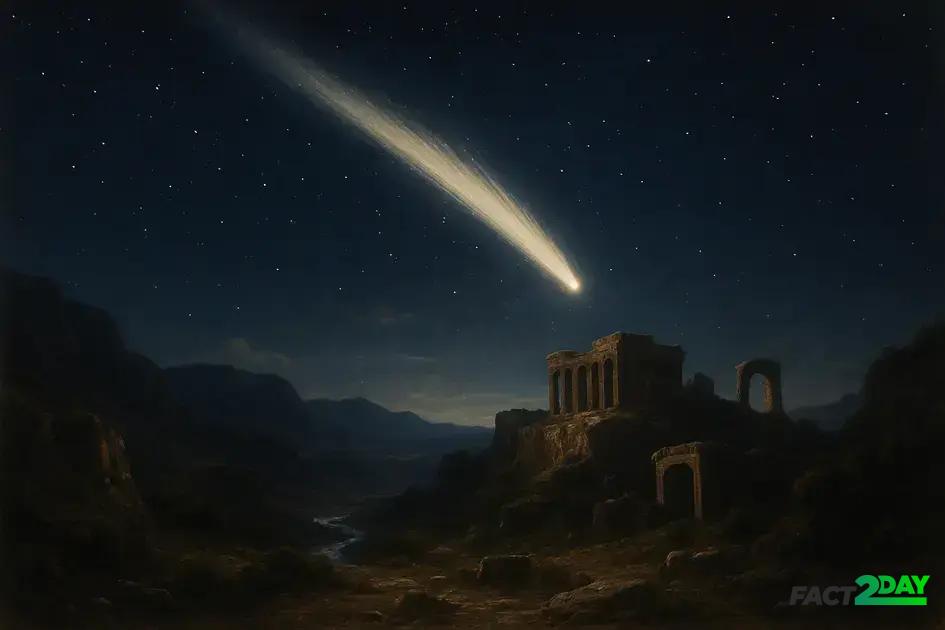
Short-lived empires are kingdoms that existed briefly but left remarkable cultural, political, and social legacies despite their ephemerality.
Have you ever wondered how short-lived empires can be as impactful as long-lived ones? Sometimes, these kingdoms burn up in the sky of history like a comet, leaving trails that continue to fascinate. Want to discover what these flashes of splendor were?
The ephemerality of empires in world history
Throughout history, many empires have risen and fallen in surprisingly short periods. This ephemeral nature of empires shows how power can be both dazzling and fragile. From the swift expansion of the Mongol Empire to the brief but intense reign of the Aztec Empire, these kingdoms often appeared like meteors—bright but fleeting.
Various reasons contribute to the short lifespan of these empires. Rapid conquests might overstretch resources, while internal conflicts and external pressures can accelerate decline. Despite their brevity, many left profound cultural and political marks that influenced future civilizations.
Examples of Short-Lived Empires
For instance, the Empire of Alexander the Great expanded at an unprecedented pace but dissolved shortly after his death. The Kingdom of Ebla thrived for a century before disappearing, yet it imparted valuable advancements in writing and governance.
Understanding the transient existence of these empires helps us appreciate how history is shaped by not just longevity but impact. Their brief stories reveal lessons about ambition, resilience, and the complex dynamics of power.
factors that lead to the short duration of kingdoms
Several key factors contribute to the short duration of kingdoms throughout history. One major cause is political instability, where internal power struggles and weak leadership lead to rapid collapse. Without strong governance, empires struggled to maintain control over vast territories.
Economic challenges also played a crucial role. Limited resources, heavy taxation, and failing trade networks often weakened kingdoms, making them vulnerable to external attacks or internal unrest. These financial stresses could quickly erode the foundations of a once-powerful realm.
External Pressures
Invasions and conflicts with neighboring powers frequently accelerated decline. Empires with fragile defenses were unable to repel enemies or contain rebellions. Environmental factors, like droughts or natural disasters, sometimes exacerbated these problems, further destabilizing fragile societies.
The combination of internal weaknesses and external threats often created a perfect storm, resulting in the rapid fall of many kingdoms. Understanding these factors offers insight into why some empires, despite their early promise, burned brightly but briefly.
passing legacies that still inspire today
Although some empires and kingdoms lasted only briefly, their temporary legacies continue to inspire us today. These legacies appear in art, architecture, language, and even governance systems shaped during their short reigns.
For example, the short-lived Roman Empire of the West preserved countless innovations in law, engineering, and culture that influence modern society. Similarly, the Kingdom of Aksum, though brief, left remarkable architectural achievements and a strong trading legacy in Africa.
Enduring Cultural Influences
Many fleeting empires also contributed to religion, philosophy, and technology, passing on ideas that transcended their lifetime. Their brief existence did not diminish the power of their cultural and intellectual imprints, which continue to be studied and admired.
The impact of these transient kingdoms encourages us to see beyond duration and appreciate the profound marks left on human history by even the most short-lived dynasties.
Understanding the impact of short-lived empires
Short-lived empires may have existed briefly, but their stories show us how power can shine brightly yet fade quickly. These empires teach us lessons about leadership, challenges, and resilience.
Even in their short time, many left behind lasting legacies that still influence culture and history today. By studying these fleeting kingdoms, we gain a deeper appreciation for the complex forces that shape human civilization.
Remember, sometimes the brightest flames burn the fastest, but their light can continue to inspire for centuries.