Game On, Learning Activated: How Video Games Are Transforming Education
Explore o impacto de jogos na educação e descubra como videgames ativam o aprendizado de forma inovadora e engajadora para todas as idades.
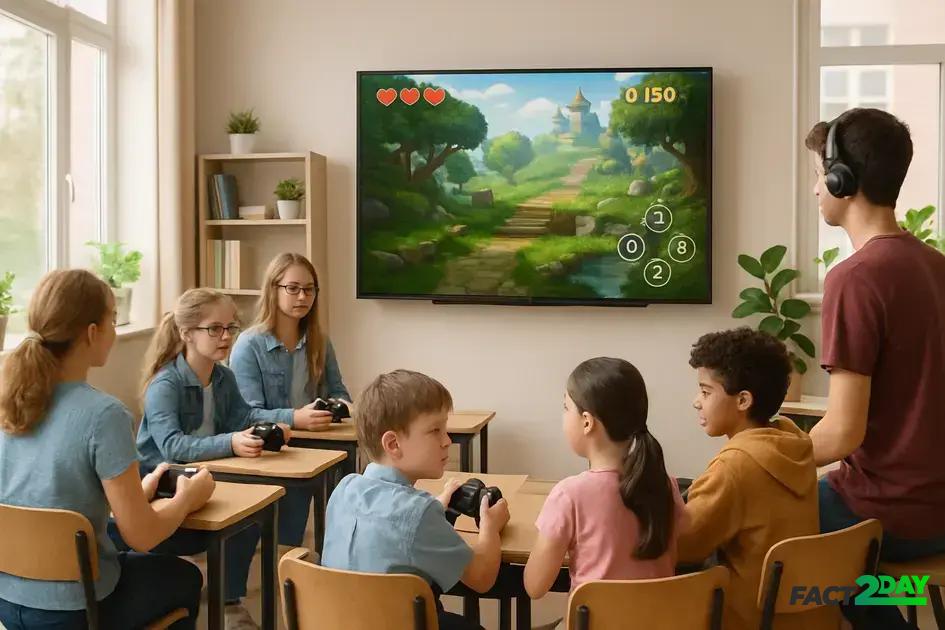
The impact of games in education lies in their ability to boost motivation, cognitive skills, and emotional resilience while providing effective strategies for integrating digital games to enhance learning experiences in the classroom.
Have you ever wondered what the true impact of games in education is? Perhaps you’ve never noticed how a video game can transform the way we learn, bringing motivation and new connections to the classroom. Let’s explore this curious and potential-filled relationship together.
How games spark interest and motivation to learn
Games have a unique ability to capture attention and spark motivation in learners of all ages. By presenting challenges, rewards, and immediate feedback, they create an engaging environment that encourages players to keep trying and improving. This dynamic interaction taps into natural curiosity and competitive spirit, making learning feel like an exciting adventure rather than a chore.
Many educational games use storytelling and immersive scenarios to draw players in, which strengthens emotional connections to the material. When learners are emotionally involved, they tend to retain information better and develop a deeper understanding of the subject.
Another key factor is the element of choice and control that games provide. Players can often select paths, strategies, or goals, fostering autonomy and personalized learning experiences. This control builds confidence and enthusiasm, pushing learners to explore topics more boldly.
Reward systems such as points, badges, or unlocking new levels reinforce positive behavior and progress. This motivates learners to set goals and celebrate achievements, sustaining long-term engagement.
Overall, games leverage motivation by blending fun with cognitive challenges, making education more appealing and effective.
Cognitive and emotional benefits of video games in education
Video games contribute to education by enhancing both cognitive and emotional skills. They improve problem-solving abilities as players must analyze situations, strategize, and make quick decisions. This mental exercise strengthens critical thinking and adaptability, crucial skills for learning and everyday life.
Boosting Memory and Attention
Many games challenge players to remember patterns, rules, or sequences, which enhances working memory. Additionally, the fast-paced nature of some games requires sustained attention, helping players develop better focus and concentration over time.
Fostering Emotional Resilience
Gaming often involves facing setbacks and failures. Learning to cope with these challenges builds emotional resilience, patience, and perseverance. Players learn to manage frustration and stay motivated to try again, skills that translate well to academic and personal challenges.
Encouraging Collaboration and Social Skills
Multiplayer and cooperative games provide platforms for communication, teamwork, and social interaction. These experiences help develop empathy, leadership, and conflict resolution abilities, which are valuable beyond the gaming context.
Overall, videogames support a range of mental and emotional growth that can enhance the educational experience.
Strategies for effectively integrating digital games into the classroom
Integrating digital games into the classroom requires deliberate strategies to maximize their educational impact. First, it’s essential to align games with learning objectives. Choose games that reinforce the curriculum and provide clear educational value rather than just entertainment.
Selecting the Right Games
Consider age-appropriateness and subject relevance. Games that promote critical thinking, creativity, and collaboration often work best in educational settings. Teachers should test games beforehand to ensure technical compatibility and suitability.
Creating a Supportive Environment
Provide clear instructions and objectives for gameplay to keep students focused. Encourage reflection by asking learners to discuss what they’ve learned and how it applies to the subject matter. This helps bridge gaming experiences with academic goals.
Balancing Play and Instruction
Digital games should complement, not replace, traditional teaching methods. Integrate gaming sessions with lectures, group work, and assessments. This blend keeps students engaged and reinforces understanding from multiple angles.
Finally, use technology wisely by ensuring devices are accessible and functioning. Consider collaborative games to foster teamwork and communication. Monitoring progress through game analytics can help tailor instruction to individual student needs for a more personalized learning experience.
Wrapping up the role of digital games in education
Digital games offer powerful tools to make learning more engaging and effective. When chosen carefully and used with clear goals, they can boost motivation, critical thinking, and collaboration among students.
Balancing game-based learning with traditional methods ensures students benefit from a well-rounded educational experience. Teachers who guide and support gameplay create meaningful connections between games and curriculum.
As technology evolves, integrating digital games thoughtfully in the classroom can enrich learning and prepare students with skills they need for the future.