Beyond Flavor: How Ancient Spices Were Once Powerful Medicines
Discover the history of spices as medicine and how ancient cultures used them for healing beyond their flavors.
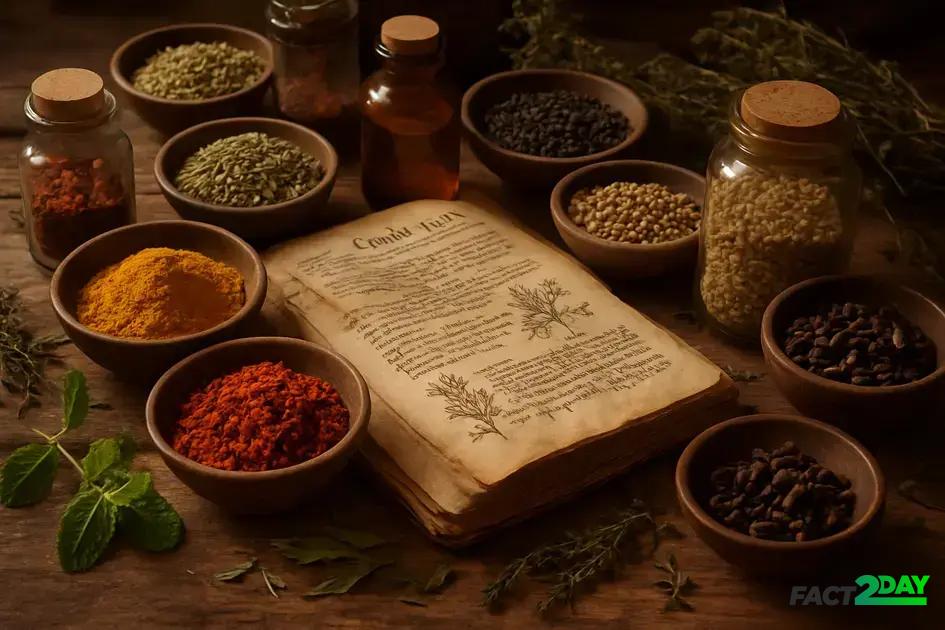
The history of spices as medicine reveals how ancient cultures used spices like turmeric, ginger, and cinnamon for their powerful healing properties, which modern science now confirms and incorporates into wellness practices.
Have you ever wondered about the history of spices as medicine? These fragrant treasures once held secrets of healing that cultures cherished for centuries. Let’s explore this fascinating journey together.
early uses of spices in traditional medicine
Spices have been used in traditional medicine for thousands of years across various cultures, from ancient India and China to Egypt and the Middle East. Early healers valued spices not just for flavor but for their ability to balance the body and ward off illness. For example, turmeric was prized in Ayurvedic medicine for its anti-inflammatory properties, while cinnamon was used to improve digestion and circulation in ancient Egypt.
Many spices were regarded as powerful remedies for common ailments. Ginger helped relieve nausea and digestive issues, and cloves were used as a natural painkiller, especially for toothaches. These spices often formed the basis of herbal mixtures and poultices, reflecting the deep connection between culinary and medicinal knowledge.
The use of spices in traditional medicine was closely tied to spiritual and cultural practices. Healers believed that spices could purify the body and mind, protect against evil spirits, and promote longevity. This holistic view emphasized the importance of natural ingredients, and many early texts contain detailed descriptions of the preparation and application of spice-based remedies.
scientific discoveries behind spices’ healing properties
Modern science has uncovered many healing properties of spices that ancient traditions recognized long ago. Research shows that compounds in spices like turmeric, ginger, and cinnamon have strong antioxidant, anti-inflammatory, and antimicrobial effects.
Curcumin, the active component in turmeric, has been extensively studied for its ability to reduce inflammation and support joint health. Studies suggest it can help manage symptoms of arthritis and other chronic conditions.
Ginger contains compounds called gingerols, which have been found to ease nausea, reduce muscle pain, and improve digestion. Its natural anti-inflammatory effects make it a popular natural remedy for colds and flu.
Cinnamon has demonstrated the ability to regulate blood sugar levels and has antimicrobial properties that may help fight infections. These benefits help explain its long history in traditional medicine for treating diabetes and respiratory issues.
Scientists continue to explore how spices can contribute to health by targeting oxidative stress and inflammation—key factors in many diseases. The connection between ancient wisdom and modern research highlights the valuable role spices play in promoting wellness today.
how ancient spice remedies inspire modern wellness
Many ancient spice remedies have influenced modern wellness practices and natural health products. Today, ingredients like turmeric, ginger, and cinnamon are widely used in dietary supplements, teas, and skincare for their proven health benefits.
Turmeric in modern wellness
Turmeric’s active compound, curcumin, is now a popular ingredient in anti-inflammatory supplements. Its use in ancient medicine as a healing spice has inspired research into how it can support joint health and reduce inflammation.
Ginger’s ongoing impact
Ginger continues to be valued for easing nausea and digestive discomfort. Modern herbal teas and remedies often include ginger as a core component, directly reflecting its traditional use.
Cinnamon’s role today
Cinnamon is incorporated into products targeting blood sugar management and heart health. Its ancient medicinal uses align with current findings on its antioxidant and antimicrobial effects.
By blending ancient knowledge with science, modern wellness embraces these spices for preventive care and natural healing, showing how historical remedies still shape our approach to health.
Embracing the power of ancient spices today
The journey of spices from ancient remedies to modern wellness highlights their lasting value in health and healing. These natural ingredients, backed by both tradition and science, offer accessible ways to support your well-being.
Incorporating spices like turmeric, ginger, and cinnamon into daily routines can promote better health and vitality. Understanding their history helps us appreciate their role beyond flavor, connecting us with centuries of knowledge.
By exploring and using these time-tested spices thoughtfully, anyone can tap into their powerful benefits and enhance overall wellness naturally.