Beneath the Surface: The Hidden History of Secret Tunnels and Underground Cities
Explore the captivating history of secret underground tunnels, revealing their mysteries and roles in ancient and modern civilizations.
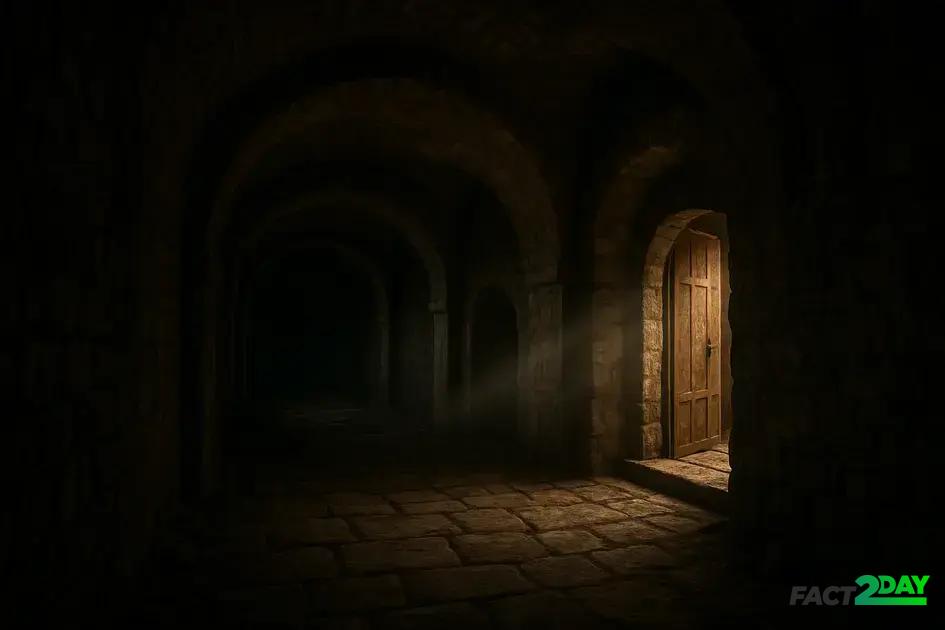
The history of secret underground tunnels spans ancient escape routes, water channels, and hidden cities used for protection, trade, and military strategy, many of which are now preserved as cultural landmarks and repurposed for modern uses.
Have you ever wondered about the History of secret underground tunnels hidden beneath our feet? These underground passageways carry stories of ancient survival, secret escape routes, and hidden civilizations just waiting to be uncovered. Let’s embark on a quiet journey beneath the surface to explore these fascinating tunnels.
Origins and purposes of underground tunnels
Underground tunnels have been constructed for thousands of years, serving various practical and strategic purposes. Initially, they were dug as secret passageways for escape during wars or invasions, enabling inhabitants to protect themselves and evade capture.
Many ancient civilizations built tunnels to transport water or goods, like the qanats in Persia, which channeled water over long distances underground. This not only conserved water but also kept it cool and clean.
In some cases, tunnels were used to create hidden routes for religious or ceremonial purposes. For example, some underground structures in ancient cities provided safe havens or secret meeting spots.
The strategic uses
Besides escape, tunnels helped in military operations by allowing troops to move unseen or to mount surprise attacks. Over time, these tunnels evolved into more complex underground networks and even entire cities, beneath places like Derinkuyu in Turkey.
Underground tunnels also played roles in smuggling and covert trade, offering hidden paths away from prying eyes.
Famous secret tunnels and underground cities around the world
Across the globe, many secret tunnels and underground cities have fascinated historians and explorers alike. One of the most famous is Derinkuyu in Turkey, an ancient underground city that could shelter thousands of people. This vast network of tunnels and rooms was designed for protection from invasions and could be sealed off to trap enemies.
In Europe, the catacombs of Paris are well known as a vast underground ossuary, but also as a maze of secret passageways that were used for smuggling and hiding during times of conflict. These tunnels run for miles below the city streets, creating a hidden world beneath the modern urban landscape.
Another remarkable example includes the Cu Chi tunnels in Vietnam, used during the Vietnam War as hideouts, communication routes, and supply chains. These tunnels played a critical role in guerrilla warfare, demonstrating the strategic importance of underground passages in military history.
Underground cities in Asia and beyond
In Asia, the city of Naours in France and others like Setenil de las Bodegas in Spain highlight how people adapted natural caves and man-made tunnels for daily life and defense. These underground refuges often include living quarters, storage spaces, and even chapels, all hidden beneath the surface.
Secret tunnels have also been found beneath historic castles and palaces worldwide, emphasizing their role in defense and escape during turbulent times.
The modern use and preservation of secret tunnels
Today, secret tunnels serve many new purposes beyond their original military or escape uses. Many have become important historical sites, attracting tourists and researchers interested in the past. Efforts to preserve these tunnels help maintain cultural heritage and educate the public about their fascinating histories.
In some cities, underground tunnels have been repurposed for modern needs. For example, in places like Edinburgh or Montreal, parts of secret tunnels support utilities or create pedestrian pathways sheltered from harsh weather.
Preservation challenges
Preserving these underground sites requires careful attention to structural integrity and environmental factors such as humidity and erosion. Experts often work to stabilize walls and prevent damage caused by visitors or natural decay.
In addition to preservation, some tunnels are being adapted for new innovative uses, such as underground museums, event spaces, or even urban farming, combining history with sustainability.
Governments and heritage organizations collaborate worldwide to protect these tunnels, ensuring their secrets and stories remain accessible for future generations.
Understanding the importance of secret underground tunnels
The history and continued use of secret underground tunnels reveal how humans have long adapted to challenges through creativity and engineering. From ancient escape routes to modern preservation efforts, these hidden structures carry powerful stories.
By exploring and protecting these tunnels, we keep alive important parts of our past while finding new ways to use these unique spaces today. They remind us that beneath the surface lies a world full of secrets worth discovering.