The Free Trial: The Golden Age of Demos and Shareware That Shaped the Games Industry
História de demos e shareware revela como as versões grátis transformaram a indústria dos games e atraíram jogadores pelo mundo todo.
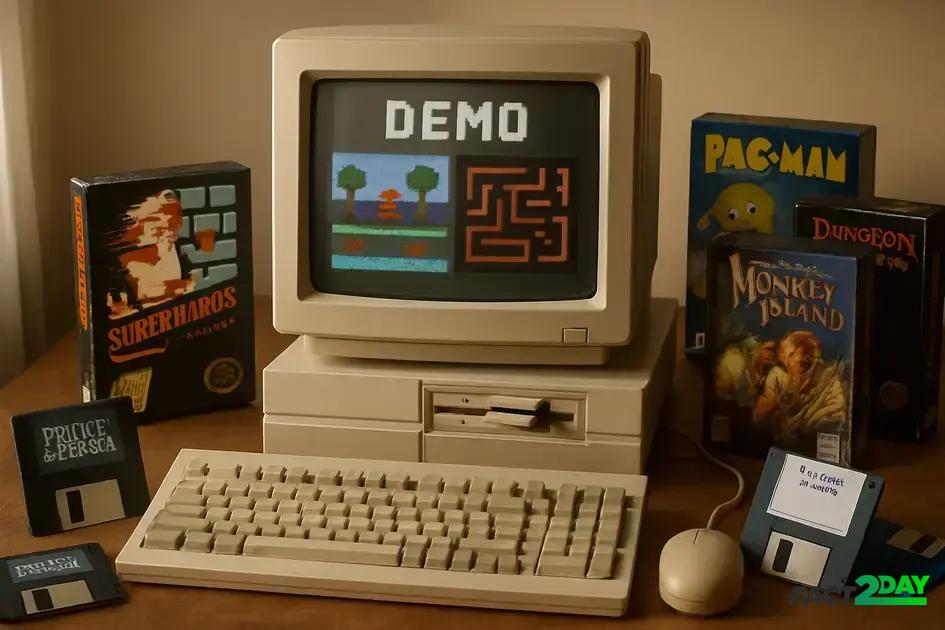
The history of demos and shareware refers to the pioneering method of distributing games for free or in limited versions, which democratized access, encouraged innovation, and established marketing and development models present in the current gaming industry.
Have you ever stopped to think about how the History of demos and shareware profoundly influenced the games we love? In this journey, we’ll explore together this golden era that gave space to experimentation and freedom in the gaming world.
The emergence of demos and shareware: context and pioneering
The emergence of demos and shareware in the early days of gaming marked a significant shift in how games were distributed and experienced. At a time when internet access was limited and physical media ruled, shareware offered a way for independent developers to share portions of their games freely, inviting players to try before they bought. This approach lowered barriers between creators and audiences, fostering a vibrant community and encouraging innovation.
Demos, often limited versions of full games, served as a powerful marketing tool, allowing players to explore gameplay mechanics and stories firsthand. Many pioneers in this movement used floppy disks and bulletin board systems (BBS) to distribute their content, creating a grassroots network of game sharing. This context of early digital distribution paved the way for new business models and shaped how players and developers interacted.
By focusing on accessibility and community-driven promotion, the rise of demos and shareware highlighted the importance of user engagement. It enabled gamers to make informed decisions and developers to refine their products based on feedback. This era stands as a testament to how innovation and openness can revolutionize an industry, setting a foundation for today’s digital marketplaces and free trial models.
Cultural and economic impacts of history of demos and shareware
The cultural and economic impacts of free demos and shareware were profound. Culturally, they expanded access to gaming, allowing many players to try new experiences without upfront costs. This openness nurtured a community spirit where feedback, sharing, and collaboration were common, shaping gamer culture around exploration and discovery.
Economically, demos and shareware provided indie developers and small studios with a way to enter the market without large publishing deals. This democratization of game distribution lowered financial barriers and encouraged innovation by reducing risk. Consumers benefited by receiving engaging content for free, which increased demand for affordable and diverse gaming options.
The success of this model helped lay the groundwork for modern strategies like free-to-play and trial versions. It also shifted industry thinking about marketing and monetization, highlighting the value of trust and player engagement. Together, these cultural and economic shifts transformed how games were created, shared, and valued across the globe.
Legacy of demos and shareware in the contemporary industry
The legacy of demos and shareware continues to influence the modern gaming industry in many ways. Today, we see echoes of this era in free trials, demo versions, and the popular free-to-play model. These approaches keep the spirit of accessibility alive, letting players experience games before deciding to invest. This consumer-friendly approach builds trust and encourages word-of-mouth marketing.
Moreover, the success of early shareware empowered independent developers, paving the way for the vibrant indie game scene we have today. Digital distribution platforms like Steam and itch.io owe much of their model to the foundations laid by demos and shareware, allowing creators to reach global audiences with minimal costs.
The emphasis on community feedback and iterative development, championed during the shareware era, also shaped current game development practices. This focus encourages developers to engage with players, improving games over time and fostering dedicated fan bases.
The lasting impact of demos and shareware
Demos and shareware changed how games were shared and sold, making gaming more open and accessible.
This approach helped foster new ideas and supported indie developers, shaping the games we enjoy today.
By allowing players to try before buying, these models built trust and strong connections between creators and gamers.
Even now, the legacy of demos and shareware influences modern game distribution and community engagement strategies.