From Salt to Stones: The Strangest Forms of Currency Ever Used
Explore the fascinating history of bizarre currencies and uncover how unusual items became mediums of trade across cultures and ages.
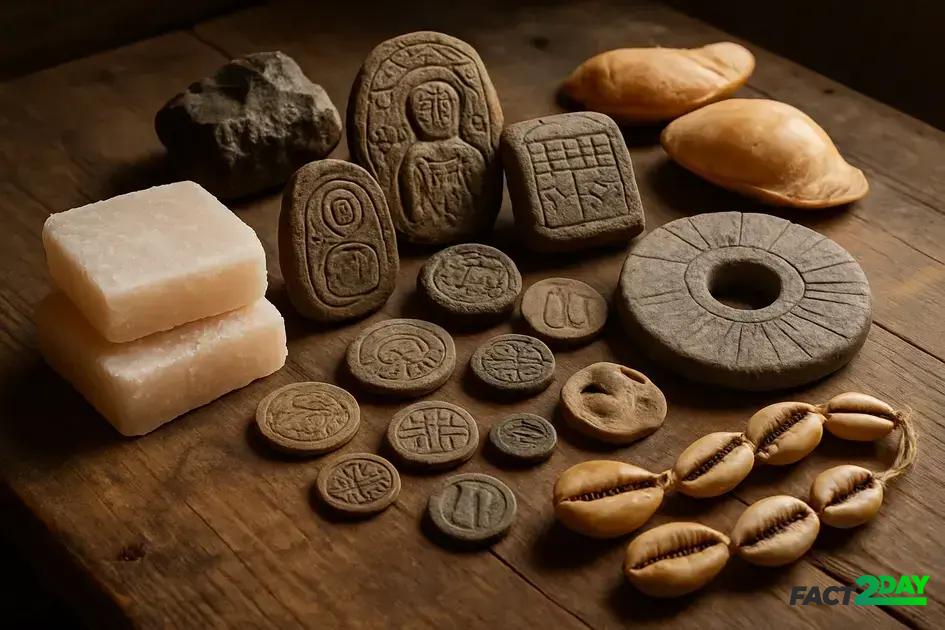
The history of bizarre currencies reveals how societies used items like salt, spices, stones, and shells as money, reflecting cultural values and shaping early trade through trust, standardization, and connectivity.
Have you ever wondered about the History of bizarre currencies? From salt blocks to carved stones, the ways people have exchanged value reveal much about culture and survival. Let’s explore some of the strangest forms of currency ever used and their stories.
early currencies from salt and spices
Salt and spices were among the earliest forms of currency used by ancient civilizations, valued not only for their taste but also for their preservation qualities. Salt, in particular, was so precious that Roman soldiers were sometimes paid with it, which led to the word “salary”. Across different cultures, salt blocks and dried herbs functioned as mediums of exchange when traditional coinage was unavailable.
The value of salt in trade
Salt’s ability to preserve food made it an essential commodity, especially in regions without refrigeration. This necessity gave salt an intrinsic value that allowed it to be traded for goods and services. Societies in Africa, Asia, and Europe depended heavily on salt trade routes, sometimes called “salt roads”, which connected distant markets and spurred economic growth.
Spices as exotic currency
Spices such as pepper, cinnamon, and cloves held immense value due to their rarity and demand. They were luxury items that wealthy individuals sought after, often used as gifts or symbols of status. This demand led to risky long-distance trade expeditions and even conflicts over control of spice-producing regions.
Using salt and spices as currency reveals how the needs and desires of people shaped the earliest economic systems. These products were not just commodities; they represented survival, wealth, and power, making them ideal as forms of early money.
unusual objects that became money
Throughout history, many unusual objects have been used as money beyond traditional coins and notes. These items often reflected the culture, environment, and needs of the communities that used them. For example, in parts of the Pacific Islands, large carved stones called Rai stones served as currency. These stones, some as big as a car, symbolized wealth and were exchanged during important ceremonies.
Animal-based currencies
In some African and Native American cultures, items like cowrie shells, animal teeth, and even live animals were used as currency. Cowrie shells in particular were prized for their beauty and rarity, spreading widely as money through trade across Asia and Africa.
Other rare forms of currency
Among the Aztecs, cacao beans functioned as money, essential not only for food but also as a trade unit. In medieval Europe, various items like salt, grain, and even beer money occasionally filled in gaps when coins were scarce. These unique currencies show how societies adapted to their surroundings by turning everyday or rare objects into mediums of exchange.
Such unconventional money systems highlight human creativity in meeting economic needs with whatever resources were available. Each object carried not only value but also cultural significance, shaping trade in ways that still fascinate us today.
lessons from ancient trade systems
Ancient trade systems provide valuable lessons about how currency and commerce evolved to meet human needs. One key lesson is the importance of trust and mutual agreement in trade, as early societies developed systems to avoid conflicts and ensure fair exchanges. This trust was often built through shared customs and agreements rather than formal legal systems.
Standardization and value representation
Early trade systems taught the need for standardized forms of currency that represented value reliably. Items like salt, shells, or stones served as symbols of value because they were rare, durable, and easily recognized by traders. This helped reduce misunderstandings and facilitated smoother trade across different groups.
The role of trade routes
Ancient trade routes were essential in connecting diverse cultures and economies. These routes allowed for the exchange of goods, ideas, and currencies, leading to economic growth and technological advancements. Maintaining safe and reliable trade paths was crucial for sustaining commerce and developing richer civilizations.
Studying these ancient systems reveals that economic networks thrived when based on trust, standardization, and connectivity. These principles still influence modern trade and currency systems today, showing a continuous human effort to improve how we exchange value.
Understanding the impact of bizarre currencies
The history of bizarre currencies shows us how creative and resourceful people have been in finding ways to trade and assign value. From salt and spices to stones and shells, these unique forms of money played key roles in shaping early economies.
By learning from ancient trade systems, we see the importance of trust, standardization, and connectivity in successful commerce. These lessons continue to influence how we handle money and trade today.
Exploring these unusual currencies gives us a fascinating glimpse into human culture and the evolution of economic exchange over time.