From Fables to Foundations: The Ancient History of Man-Made Islands Around the World
Explore the captivating History of Artificial Islands, uncovering ancient man-made marvels and their impact across the globe.
A Strange but Insightful Chapter in Legal History
The practice of putting animals on trial may seem odd today, but it offers a unique glimpse into medieval views on justice and morality. These trials show that animals were once seen as responsible beings, capable of wrongdoing and deserving of a fair hearing.
This unusual tradition helps us think about how ideas of law and judgment have changed and how deeply humans seek to apply rules fairly, even in surprising ways. While we no longer hold animal trials, they remain a fascinating reminder of the complex relationship between humans, animals, and the law throughout history.
Consider for a moment the History of Artificial Islands: these fascinating man-made constructs have shaped cultures and landscapes across centuries. What stories lie beneath their foundations, and what lessons might they hold for us today?
The origins of artificial islands in ancient civilizations
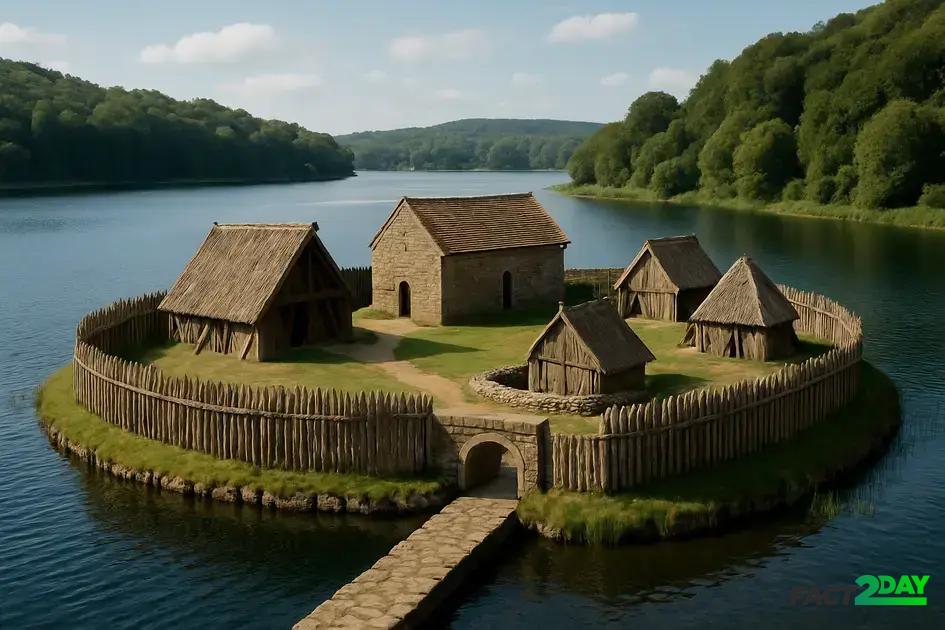
Artificial islands have roots tracing back thousands of years, with some of the earliest examples found in ancient civilizations across the world. These societies constructed man-made landmasses for various practical and strategic reasons, often harnessing the natural environment in innovative ways. For instance, the ancient Mesopotamians used reeds and mud to extend their habitable and agricultural areas along the rivers. Similarly, in the South Pacific, the Lauvaka islands were carefully constructed by Pacific Islanders using coral and stone for shelter and fishing bases.
The ancient Egyptians also created artificial islands in the Nile to support religious activities and royal residences. One notable example includes the island temples built during the Pharaonic era, which were often surrounded by canals or marshes, reflecting their skillful integration with the river’s landscape.
In East Asia, the Japanese capitalized on using stacked stones and earth to form floating platforms and islands for defense purposes. These early constructions laid the groundwork for later significant projects like the famous Dokdo islands.
Across centuries, the technology evolved, but the core principle remained the same: expanding usable land in areas where natural islands were scarce or absent. These early artificial islands demonstrate advanced engineering for their time and reflect how humans adapted their environment to meet social, economic, and defensive needs.
Techniques and materials used in early island construction
Early artificial island construction relied on local materials and simple yet effective techniques. Builders often used natural elements like stone, mud, reeds, and wood to create stable platforms above water. Stacking stones was a fundamental method, especially in regions rich in rock, where large boulders formed the island’s base.
Another common technique involved bundling reeds or bamboo to build floating mats or foundations. These mats were anchored and layered with soil or organic matter to create fertile ground suitable for habitation and agriculture. Reed mats were light yet durable, allowing islands to adapt to changing water levels.
In some civilizations, such as the ancient Japanese, builders used drainage and layering methods, placing gravel and sand strategically to maintain stability and prevent erosion. These techniques showed an understanding of water flow and soil retention, which were crucial to the island’s longevity.
Large-scale artificial islands, like the ones constructed by the ancient Maya, incorporated masonry walls to hold soil and reinforce the structure against strong currents. Builders also used coral blocks in tropical areas, taking advantage of their abundance and durability.
By combining these varied materials and techniques, early engineers created islands that served various purposes, from defense to agriculture, proving remarkable adaptability and innovation.
The cultural significance of man-made islands
Man-made islands have held deep cultural significance for many societies throughout history. These islands often served as more than just physical spaces; they were centers of ritual, governance, and identity. For example, in the ancient Polynesian world, artificial islands were created to support fishing communities and sacred sites, highlighting their connection with the sea and spiritual life.
In some Asian cultures, artificial islands were used to house temples and palaces, demonstrating their importance in religious and political symbolism. The Venetian islands, built over marshlands, represented human ingenuity and became symbols of wealth and power, showcasing the city’s dominance over nature.
Artificial islands also played a role in creating boundaries and asserting territorial claims. Their construction could signify control over valuable resources and trade routes, which shaped the social and economic structures of communities.
Cultural ceremonies and traditional events were often held on these man-made islands, reinforcing community bonds and shared history. They frequently appeared in folklore and legends, enriching the cultural narratives passed down through generations.
By understanding the cultural roles of these islands, we gain insight into how people related to their environment and expressed their values and beliefs through landscape transformation.
Famous ancient artificial islands around the world
Some of the most famous ancient artificial islands reveal the incredible engineering skills and cultural values of past civilizations. One notable example is the Isle of the Dead in Japan, created by the Ainu people as a sacred burial site. These islands were carefully constructed using stones and earth to provide isolated and protected grounds.
In North America, the Marajoara culture in the Amazon built artificial islands known as tesos. These elevated platforms protected their settlements from seasonal flooding. Made from compacted earth and organic matter, these tesos demonstrate early adaptation to challenging environments.
The Venetian Lagoon islands form another key example. Many were artificially expanded or created with imported materials to support the growing city and its maritime dominance. The island of Torcello features ruins that show how people thrived on these reclaimed lands during the Middle Ages.
The Maya civilization also engineered artificial islands around Lake Bacalar in Mexico. These platforms served as bases for homes and ceremonial centers, built with stones and layered soil to remain stable over water.
These examples illustrate how ancient cultures across different continents mastered island-building techniques. They highlight the innovative spirit of mankind to adapt and expand habitable spaces despite natural constraints.
Engineering challenges faced by early builders
Early builders of artificial islands faced significant engineering challenges that tested their creativity and problem-solving skills. One major issue was stability. Creating solid land on water required careful layering of materials like stones, mud, and vegetation to prevent sinking or erosion from waves and currents.
Another challenge was managing water flow. Builders needed to design effective drainage systems to prevent waterlogging and damage to the structures. This often meant digging channels or creating barriers to control tides and storms.
Transporting heavy materials to the construction site was also difficult, especially before advanced tools and machinery. Laborers relied on human and animal power with simple tools, requiring significant coordination and effort.
Seismic activity posed problems in regions prone to earthquakes, demanding flexible construction methods that could withstand shaking without collapsing. Moreover, weather conditions like strong winds and heavy rains further threatened the islands’ integrity.
Despite these difficulties, ancient engineers innovated by using local resources wisely and applying techniques such as compacting soil, layering stones, and reinforcing edges with wooden pilings. Their ability to overcome these engineering hurdles laid the foundation for the continued development of artificial islands over centuries.
Environmental impact and sustainability in historical contexts
The construction of artificial islands in ancient times had varying environmental impacts, reflecting the balance between human needs and nature. Many early builders used natural materials like mud, stones, and vegetation, which often blended with the local ecosystem without causing severe damage.
However, altering water flow and reclaiming land sometimes disrupted habitats and affected fish populations. For example, canals and barriers changed tidal patterns, which could lead to erosion or sediment buildup in unexpected areas.
Sustainability was often an implicit part of ancient island-building, as communities relied on these environments for food, shelter, and survival. They usually designed islands to last and rejuvenate naturally, such as allowing vegetation to grow on the islands to prevent erosion or using biodegradable materials.
Some ancient societies practiced rotational use of artificial islands, letting areas rest to recover, showing early forms of environmental management. The durability and continued use of several ancient islands today testify to their sustainable design principles.
Understanding these historical contexts offers valuable lessons for modern sustainable engineering, highlighting the importance of working with nature rather than against it in land reclamation projects.
Myths and fables surrounding artificial islands
Artificial islands have inspired many myths and fables throughout history, reflecting human wonder and mystery about these man-made wonders. Stories often portray these islands as magical or sacred places, home to gods, spirits, or lost civilizations. For example, some Pacific Islander legends speak of islands appearing mysteriously or vanishing with the tide, emphasizing the close relationship between people and the ocean.
In European folklore, artificial islands sometimes appear as enchanted realms or gateways to the afterlife. The Isle of Avalon in Arthurian legend is described as a mystical island where King Arthur was taken to heal, blending history with mythology.
Fables often convey lessons about human ambition and nature’s power. Tales warning against hubris sometimes feature ambitious rulers who tried to create islands but faced divine punishment or natural disasters as a result.
These stories illustrate how artificial islands captured the imagination and became symbols of human ingenuity and divine mystery. They also help explain how societies viewed their relationship to land and sea in cultural narratives.
The evolution of artificial island construction through ages
The construction of artificial islands has evolved significantly through the ages, reflecting advances in technology and human ingenuity. Ancient builders started with simple methods using natural materials like mud, stones, and reeds to create small, stable landforms for shelter or sacred purposes.
As civilizations advanced, so did their techniques. In the Middle Ages, builders enhanced stability by incorporating masonry walls and layered foundations, allowing for larger and more durable islands. These were often used for strategic military bases or expanding urban areas, such as in the Venetian Lagoon.
During the Industrial Revolution, the use of advanced tools and materials like concrete and steel transformed artificial island construction. Engineers could now reclaim land on a much larger scale, supporting entire cities and ports, such as the iconic Palm Islands of Dubai in modern times.
Modern technology has introduced innovative methods like land reclamation with sand dredging, geotextile fabrics for stabilization, and computerized modeling to optimize design and safety. This evolution illustrates humanity’s increasing ability to reshape landscapes thoughtfully and sustainably.
Through these changes, artificial islands have shifted from simple refuges to complex, multifunctional spaces that blend engineering excellence with environmental considerations.
Comparing ancient and modern artificial islands
Ancient and modern artificial islands differ greatly in scale, purpose, and construction techniques, yet both reflect human ingenuity. Ancient islands were generally smaller, built with natural materials like stones, mud, and reeds. They served practical roles such as fishing bases, ceremonial centers, or defensive outposts.
Modern artificial islands, by contrast, are often massive engineering projects, using advanced materials like concrete, steel, and sand dredging technologies. These islands can support entire cities, airports, or luxury developments. Dubai’s Palm Islands are a prime example, showcasing the vast scale and sophistication of today’s constructions.
Engineering and Design
While ancient builders relied on manual labor and observational knowledge of nature, modern builders use computer modeling and machinery to design and stabilize islands against environmental challenges such as erosion and storms.
Environmental Impact
Ancient island construction tended to have a lower environmental footprint because of the use of organic materials and smaller scale. Modern projects require careful environmental management to minimize damage to marine ecosystems and water flow.
Both ancient and modern artificial islands share a common goal: extending usable land and optimizing space. However, the methods and scale demonstrate the evolution of human capability and technological progress over time.
Future possibilities inspired by historical artificial islands
Historical artificial islands provide inspiration for future possibilities in land reclamation and environmental adaptation. Innovations from the past demonstrate human resilience and creativity in overcoming geographic limitations. Future projects may build upon ancient techniques combined with modern technology to create sustainable, multi-use islands.
Advances in materials science, such as eco-friendly composites, could reduce environmental impact while enhancing durability. Floating or semi-submersible islands inspired by earlier reed mat and stone constructions might adapt to rising sea levels, offering solutions to climate change challenges.
Urban planners envision artificial islands as hubs for smart cities, integrating renewable energy, green spaces, and efficient infrastructure. These islands could become centers for research, tourism, and habitation, reducing pressure on overcrowded coastal regions.
The use of artificial islands for biodiversity conservation is another promising avenue, creating habitats that support endangered species and restore marine ecosystems. Lessons from historical designs that worked harmoniously with nature will guide these efforts.
By blending ancient wisdom with cutting-edge technology, future artificial islands could redefine how humans interact with their environment, improving resilience and sustainability in a changing world.
Looking Ahead: The Future of Artificial Islands
The history of artificial islands shows us how humans have always pushed the limits to create new land and adapt to their environments. From ancient times to today, these man-made structures have served many purposes and inspired incredible engineering.
As technology advances, future artificial islands hold promise for sustainable growth, environmental protection, and innovative living spaces. By learning from the past and combining it with modern ideas, we can build islands that work with nature instead of against it.
These future possibilities remind us that human creativity and resilience will continue to shape the world in remarkable ways. Artificial islands are more than just land—they are symbols of innovation and hope for facing new challenges ahead.