The Past’s Puzzles: Iconic Unsolved Mysteries That Still Baffle Historians
Historical unsolved mysteries invite you to explore puzzling stories that challenge historians and stir the imagination over centuries.
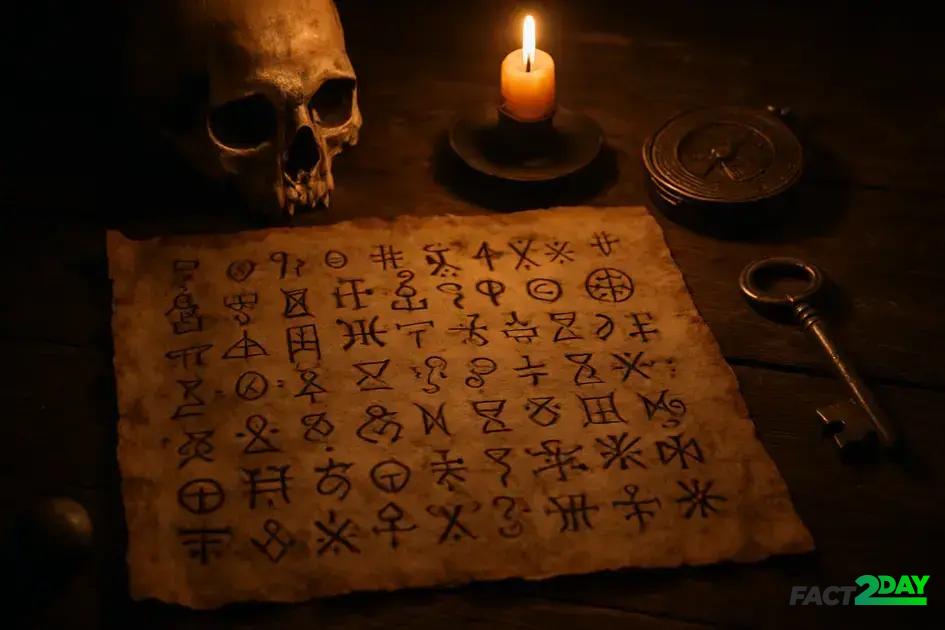
Historical unsolved mysteries are enigmatic events or artifacts from the past that remain unexplained despite extensive research, challenging historians to uncover lost knowledge and inspiring ongoing investigation using modern methods.
Have you ever paused to wonder about historical unsolved mysteries that still linger in the shadows? From cryptic disappearances to ancient enigmas, these puzzles invite us to explore beyond the written history and feel the weight of the unknown.
the most enduring historical unsolved mysteries
Throughout history, unsolved mysteries have captivated our minds, leaving many questions unanswered. Some of the most enduring historical unsolved mysteries include the disappearance of the Roanoke Colony, where an entire settlement vanished without a trace in the late 1500s. Another example is the fate of the treasure of the Flor de la Mar, lost at sea in the 1500s and never found despite numerous searches.
The identity of Jack the Ripper remains one of the most infamous unsolved cases, with the true killer still unknown despite extensive investigation. Similarly, the purpose of the cryptic Voynich Manuscript puzzles linguists and historians alike, as its text remains unreadable.
Puzzling events connecting past and mystery
These unsolved mysteries reveal the complexities of history. They often involve gaps in records, lost artifacts, or unexplained phenomena that challenge historians and experts. Each mystery hints at stories lost to time, urging us to dig deeper and question what we think we know.
Yet, it is their very uncertainty that makes these puzzles fascinating. By studying these enduring mysteries, we engage with history in a dynamic way, exploring theories and imagining possibilities. This connection between past events and ongoing mystery keeps history alive and inspiring.
methods historians use to investigate unsolved mysteries
Historians use a variety of methods to investigate unsolved mysteries, combining traditional research with modern technology. One widely used approach is the analysis of historical documents, such as letters, diaries, and official records. These sources often provide clues about events and characters involved in mysteries.
Archaeological excavation and scientific testing
Archaeology plays a key role in uncovering physical evidence. Excavations at historical sites can reveal artifacts and structures that shed light on unresolved questions. Techniques like carbon dating help determine the age of objects, while forensic analysis can examine human remains for cause of death or identity.
Modern technology in historical research
Advancements in technology have transformed how historians work. Digital databases make it easier to access and cross-reference information globally. Imaging techniques such as X-rays and 3D scanning allow experts to study fragile items without damaging them. DNA analysis has solved mysteries involving ancient human remains and even identified unknown individuals.
Collaboration among experts in different fields, such as historians, scientists, and linguists, also enhances research quality. This interdisciplinary approach increases the chances of piecing together puzzles that seemed impossible to solve, keeping history dynamic and evolving.
what we learn from mysteries that refuse to unravel
Even when mysteries remain unsolved, they teach us valuable lessons about history, culture, and the limits of our knowledge. These unresolved puzzles encourage critical thinking and inspire curiosity about the past. They also show us that history is complex and often incomplete.
Understanding history beyond facts
Mysteries that refuse to unravel remind us that not all historical events are clear-cut. They reveal the gaps in records and that some stories may be lost forever. This teaches historians to be cautious and open-minded, considering multiple perspectives and theories.
Encouraging ongoing research and discovery
Unsolved mysteries motivate continued research and technological advances. They push scholars and enthusiasts alike to develop new methods, from improved dating techniques to digital analysis. This ongoing quest enriches our understanding and often leads to unexpected findings.
By embracing the unknown, we gain appreciation for the complexity of human history and the importance of preserving knowledge for future generations. These challenges keep the study of history engaging and ever-evolving, inviting us all to be part of the exploration.
Embracing the mystery of history
Historical unsolved mysteries continue to fascinate and challenge us, reminding us that the past holds many secrets. These puzzles inspire curiosity and drive ongoing research using ever-evolving methods.
While some mysteries may never be fully resolved, their study enriches our understanding of history and human experience. They encourage us to look deeper, question assumptions, and appreciate the complexity of the stories that shape our world.
By exploring these enduring enigmas, we keep history alive and invite everyone to join in the search for answers.