Beyond Belief: The Most Bizarre Social Customs From History
Historical strange customs reveal fascinating and bizarre social practices that challenge what we consider normal. Discover curious traditions that shaped societies.
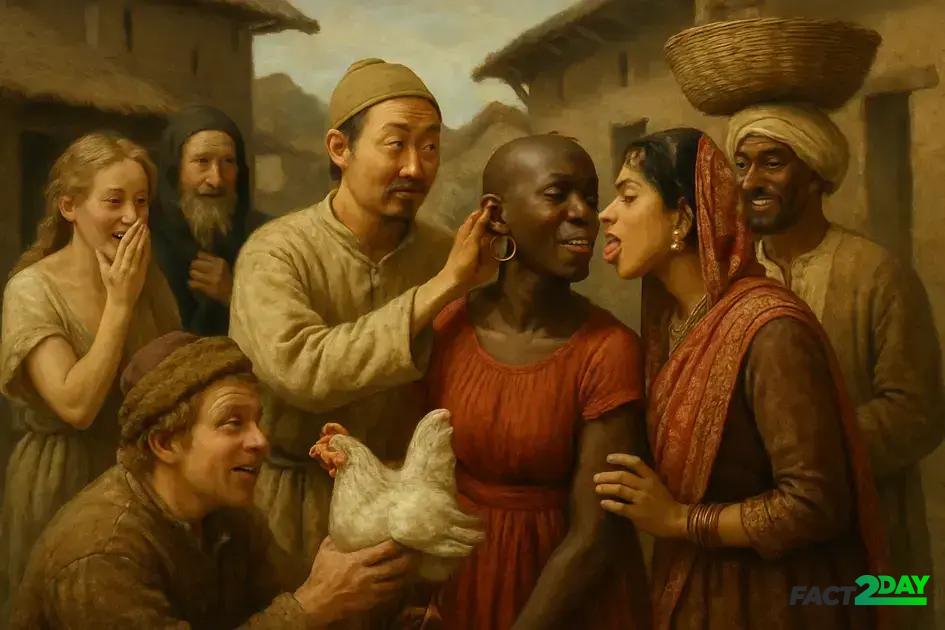
Historical strange customs consist of unique social practices that shaped cultures through rituals, habits, and traditions, influencing laws, social norms, and community bonds across different civilizations.
Have you ever wondered about the Historical strange customs that once puzzled entire societies? These fascinating traditions offer a glimpse into how diverse and surprising human behavior can be, inviting us to explore beyond the ordinary and reflect on the roots of culture.
unusual rituals and their meanings
Throughout history, many societies have practiced unusual rituals that seem bizarre or puzzling today. These rituals often had deep cultural meanings, serving purposes like ensuring prosperity, marking transitions, or connecting with the divine. For example, the ancient Roman tradition of curse tablets involved inscribing wishes or curses on metal sheets to invoke supernatural help.
Symbolism Behind Rituals
Many rituals were rich in symbolism. The Mesoamerican ballgame was more than a sport; it symbolized the battle between life and death or the cosmic struggle of the sun. Participants often believed that performing these rituals correctly could influence fate or the natural world.
Rituals as Social Glue
Some unusual rituals helped bond communities. In the Torajan people of Indonesia, the elaborate funeral ceremonies, which can last for days or weeks, bring people together to honor the dead and reinforce social ties. These rituals emphasize respect for ancestors and community continuity.
Even rituals involving pain or sacrifice, like the Self-mummification practiced by some Buddhist monks, were thought to demonstrate devotion and spiritual purity. Understanding the meanings behind such practices gives us insight into the values and beliefs of past cultures.
curious social habits from different cultures
Different cultures around the world have developed curious social habits that might seem unusual to outsiders. For instance, in Japan, the practice of bowing expresses respect and gratitude, with the depth and duration of the bow varying depending on the social context. This custom highlights the importance of hierarchy and politeness in Japanese society.
Unique Greetings and Interactions
In some African communities, like the Himba tribe of Namibia, social interaction includes unique greetings involving a combination of gestures and verbal expressions. These greetings often serve as a way to establish connections and show respect. Social habits like the Maori hongi, where people press their noses and foreheads together, symbolize sharing the breath of life and unity.
Table Manners and Dining Customs
Dining etiquette also varies widely. In parts of the Middle East, eating with the right hand is considered respectful, as the left hand is traditionally viewed as unclean. Sharing food from a common plate is common in many cultures and encourages a sense of community and trust.
Overall, these social habits provide fascinating insight into how cultures express identity and values through everyday interactions. Understanding these customs helps foster respect and appreciation for cultural diversity.
historical impacts of bizarre customs
Bizarre customs throughout history have often shaped societies in unexpected ways. These unusual traditions influenced social structures, laws, and even political decisions. For example, the ancient practice of trial by ordeal, where guilt or innocence was determined through painful tests, impacted legal systems by intertwining justice with superstition.
Influence on Social Norms
Many strange customs affected social behavior. The Victorian era’s obsession with mourning rituals, including elaborate dress codes and public displays of grief, reinforced social hierarchy and expectations around death. These customs shaped how people coped with loss and expressed respect.
Political and Cultural Effects
Some bizarre customs even had political consequences. The foot-binding practice in China was not only a beauty standard but also a symbol of status and control over women, influencing gender roles for centuries. Similarly, ritual sacrifices in various cultures often reinforced the authority of religious leaders and rulers.
While some customs have faded, their impacts linger in cultural values and institutions. Understanding these effects helps us see how strange traditions have played a role in shaping human history.
Reflecting on the impact of bizarre customs
Throughout history, strange customs have influenced societies in surprising ways, shaping laws, social norms, and cultural values. These unusual traditions reveal much about how humans have sought meaning and order in their worlds.
By understanding these practices, we gain insight into the complexity of human history and the diverse ways people express identity and power. Recognizing the legacy of these customs encourages us to appreciate cultural differences and their lasting effects.
Ultimately, exploring bizarre customs helps us better understand the past and the foundations of modern society.