Whispers in the Parchment: What the Diaries and Secret Letters of Ordinary People Reveal About the Past
Diários secretos históricos revelam nuances esquecidas do passado, oferecendo um olhar íntimo sobre vidas comuns que moldaram nossa história.
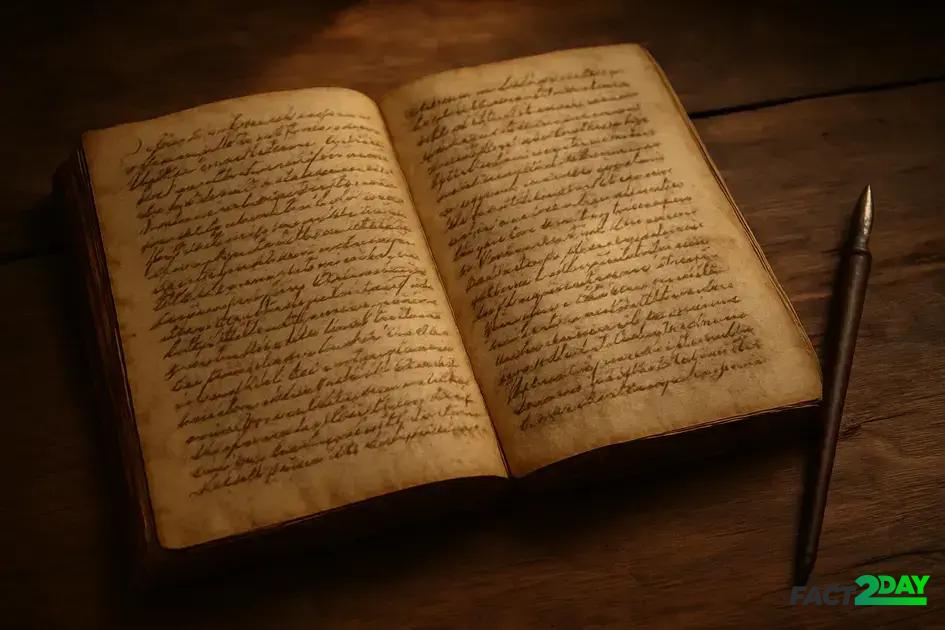
Historical secret diaries reveal personal experiences and hidden truths that enrich our understanding of the past by providing authentic, emotional, and diverse perspectives beyond official records.
Hello there! Have you ever wondered what secrets lie buried in the annals of history, beyond the polished narratives found in textbooks? What if we could peek into the intimate thoughts and daily lives of individuals who walked this earth centuries ago?
Historical secret diaries, alongside personal letters and anonymous accounts, hold precisely these hidden truths, offering a window into personal experiences that official records often overlook. It’s a fascinating journey, isn’t it, to uncover these ancient whispers that echo through time?
We’re not just talking about dates and names; we’re talking about feelings, struggles, and triumphs. These precious documents allow us to connect with the past on a profoundly human level, enriching our understanding far beyond what formal histories can provide. Let’s delve into how these remarkable personal records truly bring history to life.
Historical secret diaries: Why Secret Diaries Matter for Understanding History
Diaries that have remained hidden for years, sometimes even centuries, offer truly unique perspectives that are frequently absent from official historical records. Imagine reading the personal reflections of someone living through a major historical event, not as a generalized historical fact, but as a lived experience.
These secret diaries capture the mundane details of everyday life, alongside the profound fears, aspirations, and hopes of individuals, thereby revealing the raw, human side of history that textbooks might inadvertently overlook.
This deep dive into history through these personal accounts helps us forge an emotional connection with the past, making it feel more tangible, relatable, and vibrantly alive.
The immense value of these diaries lies in the authentic voices they preserve, representing diverse social classes, genders, and backgrounds. They often illuminate intricate aspects of society, such as family dynamics, local community events, prevailing societal norms, and even personal prejudices, offering a far more holistic picture of bygone eras.
Through these intimate writings, we gain insights into the domestic sphere, the personal struggles, and the quiet moments that truly shaped individual lives and, by extension, collective history.
Furthermore, secret diaries serve as invaluable primary sources that possess the power to either challenge or complement widely accepted historical secret diaries narratives. Historians frequently utilize them not just to corroborate established facts but, crucially, to gain a deeper understanding of the mindset of people living through specific events.
This detailed scrutiny enhances both the accuracy and the richness of historical study, allowing for a more nuanced interpretation of the past. They can shed light on discrepancies or provide missing context, refining our collective memory.
By exploring these intimately personal records, contemporary readers and researchers alike can discover untold stories, grasp subtle cultural shifts, and appreciate the immense complexity of historical events and their ramifications far beyond mere dates and the actions of major historical secret diaries figures.
They transform history from a collection of facts into a tapestry of individual human experiences.
Beyond the Official Seal: The Intimacy of Personal Letters
Much like diaries, personal letters offer an incredibly raw and intimate glimpse into historical emotions and events that formal documents frequently neglect. Imagine holding a letter written by a soldier on the front lines, expressing his longing for home, or a wife sharing her anxieties about her husband’s return.
These letters unveil genuine feelings of love, fear, hope, and despair, profoundly humanizing historical figures and everyday people alike. They strip away the formality of public records, presenting individuals as complex beings with personal joys and sorrows.
Through these handwritten notes, we gain precious insight into private moments and thoughts, capturing the subtle nuances of relationships, family dynamics, and the broader social fabric of a particular era.
More strikingly, they can often unveil hidden facts concerning political tensions, the personal impacts of war, or gradual cultural changes that, for various reasons, were never publicly recorded. These personal communications serve as a counterpoint to official pronouncements, offering candid perspectives that might otherwise be lost to history.
Letters also act as profound bridges connecting generations, enabling modern readers to experience history through personal, unfiltered stories. Their inherent emotional depth is unparalleled, helping us to understand the psychological and social contexts that underpinned major historical secret diaries decisions and societal transformations.
They give us a sense of what it truly felt like to live in a different time, grappling with universal human emotions under unique circumstances.
By diligently studying these personal correspondences, historians can meticulously piece together forgotten narratives and, where necessary, challenge dominant historical accounts.
This painstaking work enriches our collective understanding of the past, making it more comprehensive and reflective of the full spectrum of human experience. These letters remind us that history is made up of countless individual stories, each with its own significance.
Historical secret diaries: The Power of Anonymous Accounts in Cultural Preservation
Anonymous accounts from the past often hold a crucial and understated role in cultural preservation. These personal stories, though unsigned and sometimes unattributed, provide an essential voice for those who might otherwise be silenced, marginalized, or utterly overlooked by mainstream historical records.
Think of folklore, traditional songs, or uncredited testimonials; they carry the weight of collective experience.
These narratives contribute significantly to the rescue of traditions, customs, and social realities that are absolutely key to understanding the full tapestry of cultural identity.
Anonymous writers frequently share detailed descriptions of daily life, community festivals, prevalent beliefs, and the struggles faced by ordinary people. This wealth of information enriches our knowledge of cultural heritage in ways that official chronicles simply cannot, painting a vivid picture of the lives and practices of a community.
Such hidden testimonies possess the power to challenge dominant perspectives, revealing the lived experiences of marginalized groups and offering a much more inclusive historical record.
They ensure that history is not just the story of the powerful or the victorious, but also of those who lived on the fringes or whose voices were deliberately suppressed. This helps historians and communities to reconnect with their roots, safeguarding against the loss of diverse cultural memories over the passage of time.
As a result, anonymous reports function as vital threads woven into a larger historical tapestry, meticulously reconstructing cultural history. They contribute significantly to cultural revival and awareness in the present day, allowing communities to reclaim their narratives and celebrate their heritage with a deeper, more authentic understanding of their past. They remind us that every voice, whether named or unnamed, contributes to the grand story of humanity.
Unlocking the Past Through Personal Secrets: A Deeper Connection
Historical secret diariesdiaries, personal letters, and anonymous accounts opens a profound window into history that extends far beyond mere facts, dates, and figures. These personal stories unveil raw emotions, intimate cultural details, and the often-forgotten voices of those who experienced history firsthand, enriching our entire view of the past in invaluable ways.
By genuinely valuing these intimate narratives, we foster a deeper, more empathetic connection with the countless individuals who shaped history in their own unique and often unacknowledged ways.
This approach helps us to truly appreciate the incredible complexity and multifaceted nature of the human experience across different eras and cultures.