Beyond the Plague: How Historical Pandemics Reshaped Societies, Cultures, and Governance
Explore how Historical Pandemics Social Change transformed societies, cultures, and governance, shaping the world we know today.
Exoplanets are worlds orbiting stars beyond our solar system, discovered through methods like detecting star light dimming during planetary transits, revealing the vastness and mystery of our galaxy.
Historical Pandemics Social Change invites us to uncover how past global health crises reshaped the very fabric of human societies. Ever wonder how such upheavals sparked shifts in culture, governance, and everyday life? Let’s explore these transformative tides together.
The origins and spread of major historical pandemics
The origins of major historical pandemics often trace back to zoonotic diseases—those transmitted from animals to humans. For example, the bubonic plague likely began with infected fleas on rats. These pathogens then spread rapidly due to factors like trade routes, urbanization, and poor sanitation. Trade networks such as the Silk Road and maritime routes facilitated the movement of people and goods, unintentionally carrying diseases across continents.
Once a pandemic started, crowded cities and limited medical knowledge allowed infections to multiply quickly. Pilgrimages, wars, and migrations further accelerated transmission. The lack of quarantine measures and understanding of germs meant societies were vulnerable to repeated outbreaks. These early pandemics revealed how connected humanity was, even in ancient times, creating a ripple effect that shaped demographic changes and social behavior.
Spread influenced by environment and society
Environmental conditions like climate and geography influenced how diseases spread geographically. Social factors such as population density, hygiene practices, and public health responses played critical roles in controlling or exacerbating outbreaks. For example, during the 1918 influenza pandemic, troop movements and mass gatherings contributed to its rapid expansion worldwide.
Lessons from historical pandemics
Studying these origins and spread patterns helps us understand the importance of surveillance and early intervention today. It also sheds light on how societal structures respond under crisis, preparing us to better handle future health emergencies.
Immediate social reactions and public health responses
When pandemics struck, societies often reacted with fear, confusion, and swift action to try to contain the spread. Public gatherings were limited, and some communities enforced early forms of quarantine and isolation to protect public health. In medieval times, for example, cities like Venice introduced quarantine stations called lazarettos to separate the sick from the healthy. These measures marked some of the earliest organized public health responses.
Panic sometimes led to social stigma and discrimination against certain groups, believed to be carriers of disease. This created tension and sometimes violence, showing how fear can impact social cohesion. Authorities tried to manage these effects through public orders and information campaigns, although inaccurate beliefs often spread faster than facts.
The rise of public health systems
Over time, pandemics highlighted the need for more structured health systems. Many governments began investing in sanitation, clean water, and healthcare infrastructure. The 19th century cholera outbreaks, for example, encouraged improvements in urban sanitation and waste management that still protect populations today.
Public health responses evolved to include organized surveillance, contact tracing, and vaccination campaigns. These efforts helped reduce the scale and duration of later pandemics, laying the foundation for modern epidemiology and health policy.
Economic upheavals triggered by pandemics
Historical pandemics caused severe economic upheavals by disrupting trade, labor markets, and production. Lockdowns and quarantines limited commerce, while high mortality rates reduced the workforce dramatically, leading to shortages and increased wages. During the Black Death, for example, many businesses and farms were abandoned because there were not enough workers to maintain them, causing economic decline in affected regions.
Trade routes were often blocked or slowed, cutting off supplies and causing price inflation for essential goods. Markets became unstable, and many merchants faced bankruptcy. Governments sometimes struggled with lost tax revenues, hindering their ability to provide services and maintain order.
Impact on agriculture and industries
Agriculture, as the primary source of food and income, saw major declines due to fewer laborers planting and harvesting crops. This led to food shortages and increased hunger among populations. In manufacturing and crafts, production slowed or halted, affecting economic stability and growth.
However, these economic shocks also spurred change. They accelerated the shift from feudal systems to more modern labor relations and encouraged innovation to overcome labor shortages, such as mechanization and improved agricultural techniques. Recovery periods often brought new economic opportunities and transformations in social structures.
Shifts in labor and workforce dynamics
Pandemics have historically caused significant shifts in labor and workforce dynamics by altering the supply and demand for workers. High death rates reduced the labor force, which increased wages and improved bargaining power for surviving workers. During the aftermath of the Black Death, for instance, many peasants and laborers could demand better working conditions and pay, disrupting traditional feudal systems.
Labor shortages pushed employers to find new ways to attract and retain workers. This often led to changes in contracts, more flexible work arrangements, and innovation in work processes. In some cases, entire industries saw reorganization, and formerly rigid social hierarchies began to loosen.
The rise of new job roles and migration trends
To meet the changing demands, new types of jobs emerged, especially in healthcare, sanitation, and public administration. Many workers also migrated from rural areas to cities or from one region to another in search of better opportunities. These movements accelerated urbanization and reshaped economic landscapes.
Gender roles also shifted during pandemics, with women often entering the workforce in greater numbers to fill gaps left by men. This contributed to long-term changes in societal norms and expectations regarding work.
The impact on political structures and governance
Pandemics have often disrupted political structures and governance by exposing weaknesses and prompting shifts in power. During these crises, governments faced the challenge of managing public health emergencies while maintaining order and legitimacy. Some rulers gained power by effectively responding to pandemics, while others lost authority due to perceived failures or harsh measures.
Quarantine enforcement, travel restrictions, and curfews increased state control over daily life, sometimes sparking resistance or unrest. These conditions tested the relationship between citizens and the state, influencing trust and social contracts.
Centralization and innovation in governance
Many governments centralized authority to coordinate responses more efficiently. This often accelerated the development of bureaucratic institutions and public health agencies. For example, after the bubonic plague, some cities created formal health boards to oversee disease control.
Pandemics also influenced political reforms. The need for effective crisis management led to new laws, improved infrastructure, and shifts in leadership styles. In some cases, pandemics accelerated the decline of old regimes and paved the way for modernization and democratization.
Cultural transformations and new social norms
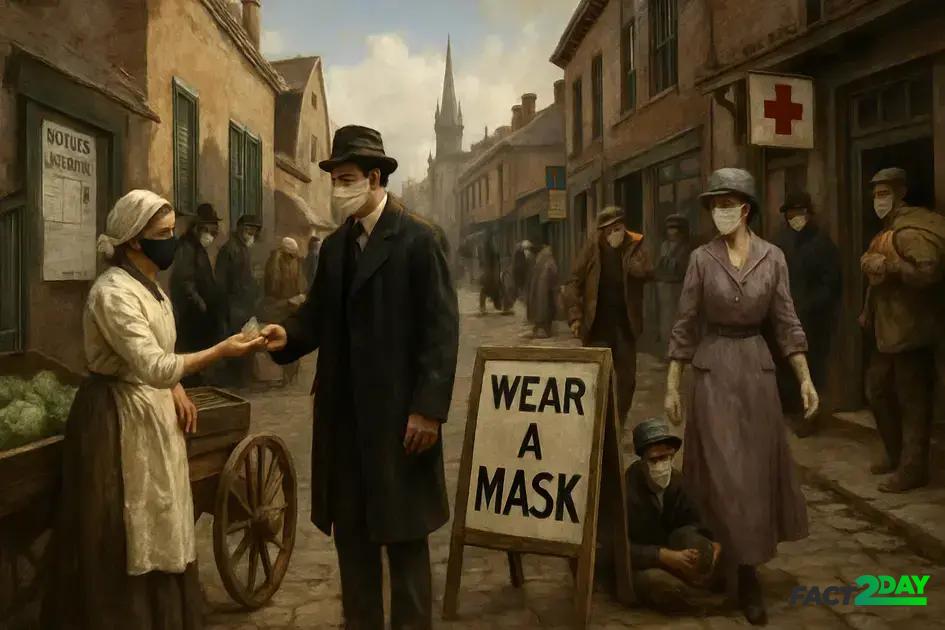
Pandemics have led to significant cultural transformations and the emergence of new social norms as societies adapt to ongoing challenges. Changes in daily behavior, such as the adoption of personal hygiene practices like handwashing and mask-wearing, became widespread. These habits often persisted long after the pandemic ended, shaping future public health approaches.
Social interactions also shifted, with some communities practicing physical distancing and limiting gatherings to reduce infections. This redefined customs around greetings, celebrations, and communal activities. Art, literature, and religious practices were deeply influenced, reflecting collective trauma and hope.
Evolution of community values and empathy
Many societies saw an increased emphasis on care, solidarity, and mutual support during and after pandemics. These values fostered new social norms around helping vulnerable groups and sharing resources. However, pandemics also exposed and sometimes deepened social inequalities, prompting calls for justice and reform.
In some cases, pandemics accelerated acceptance of scientific knowledge and public health measures, influencing education and government communication strategies. Cultural resilience was evident in how communities creatively adapted traditions to fit new realities.
Religious influences and changes in spiritual beliefs
Pandemics have deeply influenced religious beliefs and spiritual practices throughout history. Many people sought comfort and explanations for suffering through faith, turning to religious leaders and rituals. In some cases, pandemics strengthened community bonds within religious groups as they provided support and hope.
However, crises also led to changes in spiritual beliefs. Some individuals questioned traditional doctrines or authorities when prayers and rituals did not prevent widespread death. This sometimes resulted in religious reform, new sects, or shifts toward more personal, introspective faith expressions.
The role of religious institutions during pandemics
Religious institutions often played dual roles: offering care and charity but also enforcing quarantine measures or limiting gatherings to prevent disease spread. These actions showed adaptability and a growing awareness of public health concerns within spiritual contexts.
Additionally, pandemics inspired new religious art, music, and literature that reflected themes of mortality, redemption, and hope. This cultural output influenced broader societal attitudes toward life and death.
Advances in medicine and public health infrastructure
Historical pandemics have often spurred significant advances in medicine and public health infrastructure. The urgent need to control and treat disease pushed scientists and doctors to develop new techniques, medicines, and systems to improve health outcomes. For example, the bubonic plague led to early understandings of quarantine and sanitation methods.
In the centuries that followed, pandemics accelerated discoveries in vaccination, germ theory, and epidemiology. These advances laid the foundation for modern medicine and disease prevention. Public health systems evolved to include surveillance, data collection, and organized responses to outbreaks.
Development of hospitals and health institutions
Many cities established hospitals, health boards, and specialized institutions to manage care and contain diseases. These facilities became centers for research, training, and community support. Investment in clean water, sewage treatment, and urban planning improved overall public health and reduced disease spread.
Vaccination campaigns and medical innovations began during or after pandemics, helping to prevent future outbreaks. These efforts reflected a growing collaboration between governments, scientists, and communities to safeguard health on a larger scale.
The role of pandemics in accelerating technological adoption
Pandemics have often accelerated the adoption of new technologies as societies seek solutions to overcome challenges caused by widespread illness and social disruption. The need for better communication, healthcare, and business continuity pushed innovations forward rapidly.
For example, during the 1918 influenza pandemic, hospitals began using new sterilization and medical tools, while governments improved data collection and communication systems to track disease spread. These advancements laid the groundwork for modern health technologies.
Technology in work and daily life
Pandemics have also encouraged shifts in work environments, leading to increased use of telecommunication tools and remote work possibilities. While these changes became more pronounced in recent pandemics, historical outbreaks prompted early adoption of technologies like the telegraph and telephone for essential communication.
In addition, transportation and sanitation technologies were improved to reduce disease transmission. This includes innovations like steam-powered ships and enhanced water treatment methods, which helped limit the spread of infections.
Effects on migration and urban development
Pandemics have had profound effects on migration patterns and urban development. As diseases spread rapidly in crowded cities, many people fled urban areas seeking safety, leading to temporary or permanent shifts in population. This migration affected labor markets and social structures in both cities and rural areas.
These movements often accelerated urban decline or growth depending on the region. Some cities experienced depopulation, while others adapted by improving infrastructure and public health systems to support recovering populations.
Urban planning and public health improvements
The devastation caused by pandemics highlighted the need for better urban design. Authorities began redesigning cities with wider streets, improved sewage systems, and access to clean water to prevent future outbreaks. These changes laid the groundwork for modern urban planning.
Increased awareness of health risks influenced the rise of parks, public spaces, and regulations aimed at reducing overcrowding. Migration trends also shaped cultural diversity in growing cities, contributing to dynamic, changing urban environments.
How pandemics influenced art and literature
Pandemics have deeply influenced art and literature by inspiring works that reflect human suffering, resilience, and hope. Artists and writers often used their craft to process the trauma caused by widespread illness and death. These creative expressions provided solace and a way to communicate shared experiences.
Many literary works emerging from pandemic times explore themes of mortality, isolation, and social change. For example, the bubonic plague influenced numerous stories and paintings depicting despair and the search for meaning.
Artistic styles and cultural reflections
Pandemics often led to shifts in artistic styles, with darker tones or symbolic imagery becoming common. Religious art incorporated themes of redemption and divine intervention, while secular works sometimes focused on the fragility of life and the social impact of disease.
Literature also evolved, with writers experimenting with new genres and narrative approaches to capture the complexity of pandemic experiences. These changes enriched cultural heritage and influenced future generations’ understanding of human vulnerability and strength.
Lessons from history to understand current social changes
Studying past pandemics offers valuable lessons for understanding and responding to current social changes. Historical outbreaks reveal how societies adapt to crises through shifts in behavior, governance, and technology. These lessons emphasize the importance of preparedness and resilience.
One key insight is that public trust and clear communication are vital for effective management of health emergencies. Misinformation and fear can hinder response efforts and deepen social divides, as seen repeatedly in history.
Adapting social norms and policies
Historical pandemics show how new social norms develop, such as hygiene practices and community support systems. Policies that balance public safety with individual rights help maintain social cohesion during challenging times.
Investments in healthcare and infrastructure made after past pandemics underscore the long-term benefits of preparedness. These investments improve societies’ capacity to face future threats and contribute to sustained social progress.
Understanding the lasting impact of pandemics
Historical pandemics have shaped societies in many profound ways, influencing culture, governance, and technology. By learning from the past, we can navigate current social changes with greater awareness and resilience.
Adapting social norms, investing in public health, and maintaining trust are essential to managing crises effectively. These lessons remind us that even amid great challenges, societies can grow stronger and more compassionate.
Recognizing the deep connections between past and present helps us prepare for the future and foster positive change in our communities.